
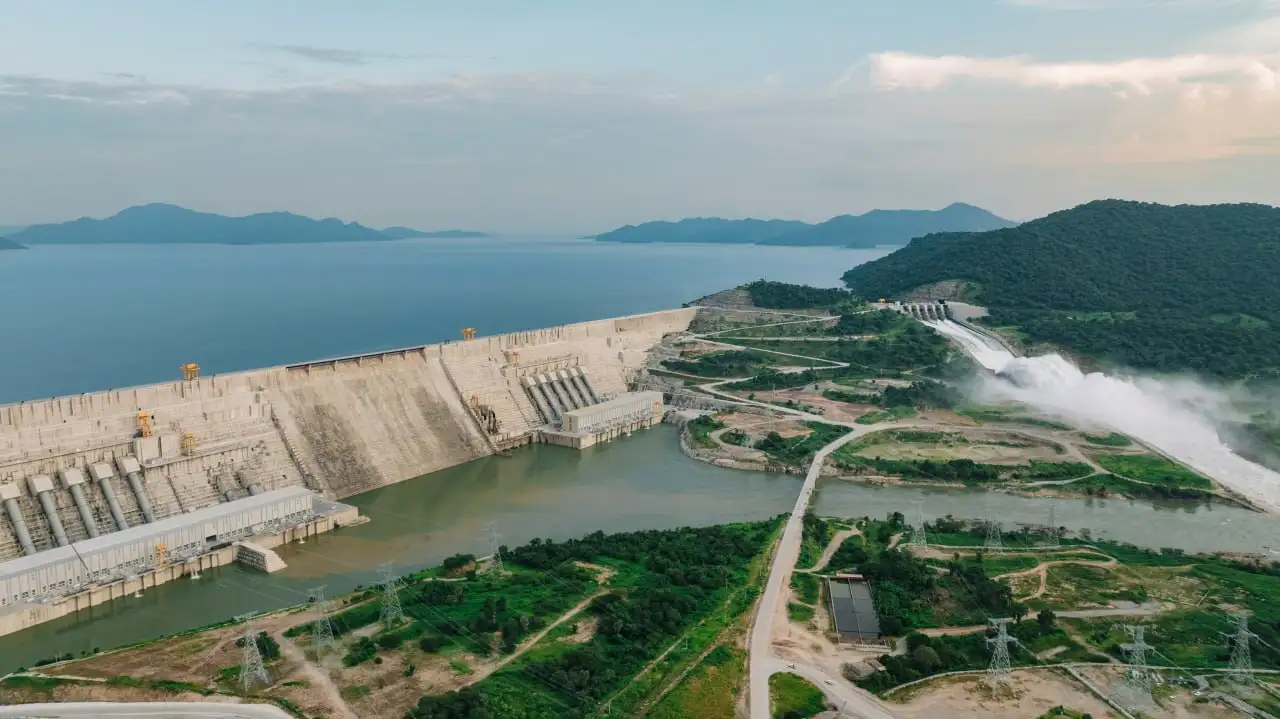
For generations, Ethiopians have celebrated the Abay River in song as a vital symbol of national pride and collective sacrifice. Carving its path through rugged mountains and steep valleys, the mighty river carries far more than water—it holds the story of a people's unbroken resilience.
The journey to construct the Grand Ethiopian Renaissance Dam unfolded against a complex web of diplomatic hurdles, foreign political pressure, and historic attempts at obstruction. Yet, standing united, Ethiopians refused to bow to external interference, firmly asserting their sovereign right to harness their own natural resources through self-reliance.
This milestone represents far more than a practical demonstration of Ethiopia’s determination. It stands as a beacon of continental pride and hope, offering a historic lesson that African nations possess the power to shape their own destinies through their own capacity.
From factory workers and farmers to youth and elders, citizens across every walk of life contributed their hard-earned money, sweat, and tireless labor to turn the mega-project into reality. Their collective effort serves as living proof of what unity and unwavering perseverance can achieve.
Just as Abay slices through massive mountains and rocky gorges on its natural course, the public demonstrated the same strength in cutting through formidable economic and political obstacles to reach their goal.
What was once spoken of with decades of longing has finally borne fruit, bringing light to dark homes and laying the foundation for long-term prosperity. The spirit of past generations who sang of Abay’s untapped potential remains very much alive, flowing through the blood of today's generation.
Ultimately, the dam stands as living proof that a nation driven by clear purpose cannot be held back by external pressures. By completing this massive project on its own strength, Ethiopia has delivered a practical message to Africa, showing that the continent can break free from foreign dependency and develop its rich resources on its own terms.