
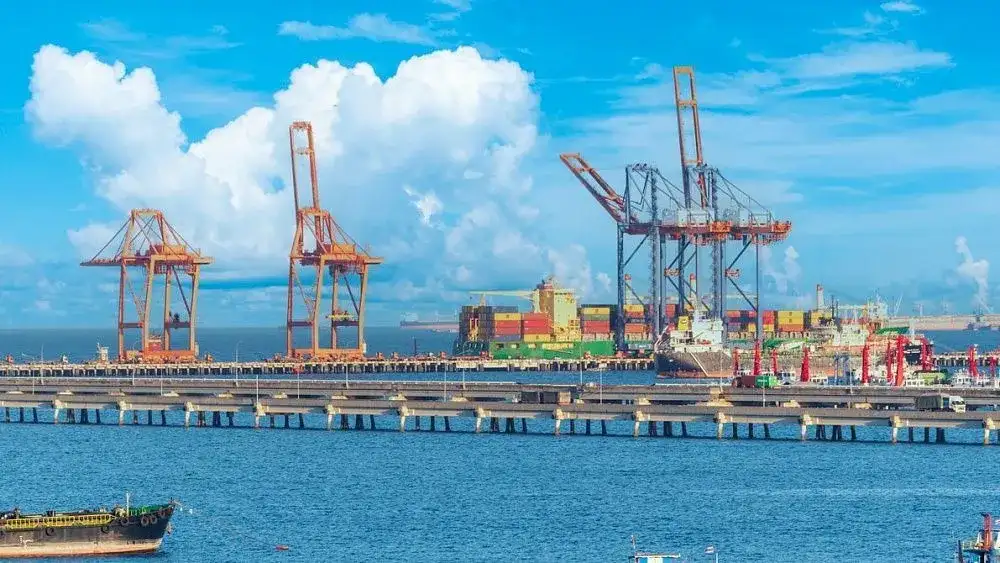
Researchers at the N. S. Solomenko Institute of Transport Problems of the Russian Academy of Sciences (RAS) have engineered an adaptive mathematical algorithm designed to optimize electrical management across maritime ports. Announced by Russia's Ministry of Science and Higher Education, the software continuously adjusts to shifting power demands caused by crane operations, vessel berthing cycles, seasonal shifts, and variable shore-side supply loads.
Unlike traditional static forecasting models, the algorithm dynamically analyzes local real-time data and neighboring energy consumers to balance grid activity. This flexible approach allows port facilities to better manage hybrid and diesel-generator systems, improve power reliability for key equipment, and integrate renewable energy sources like wind, solar, and tidal power without destabilizing port microgrids. Operating efficiently without requiring high-performance computing power, the software outperforms existing predictive tools while cutting operating costs and carbon emissions in coastal areas, reported TV BRICS.