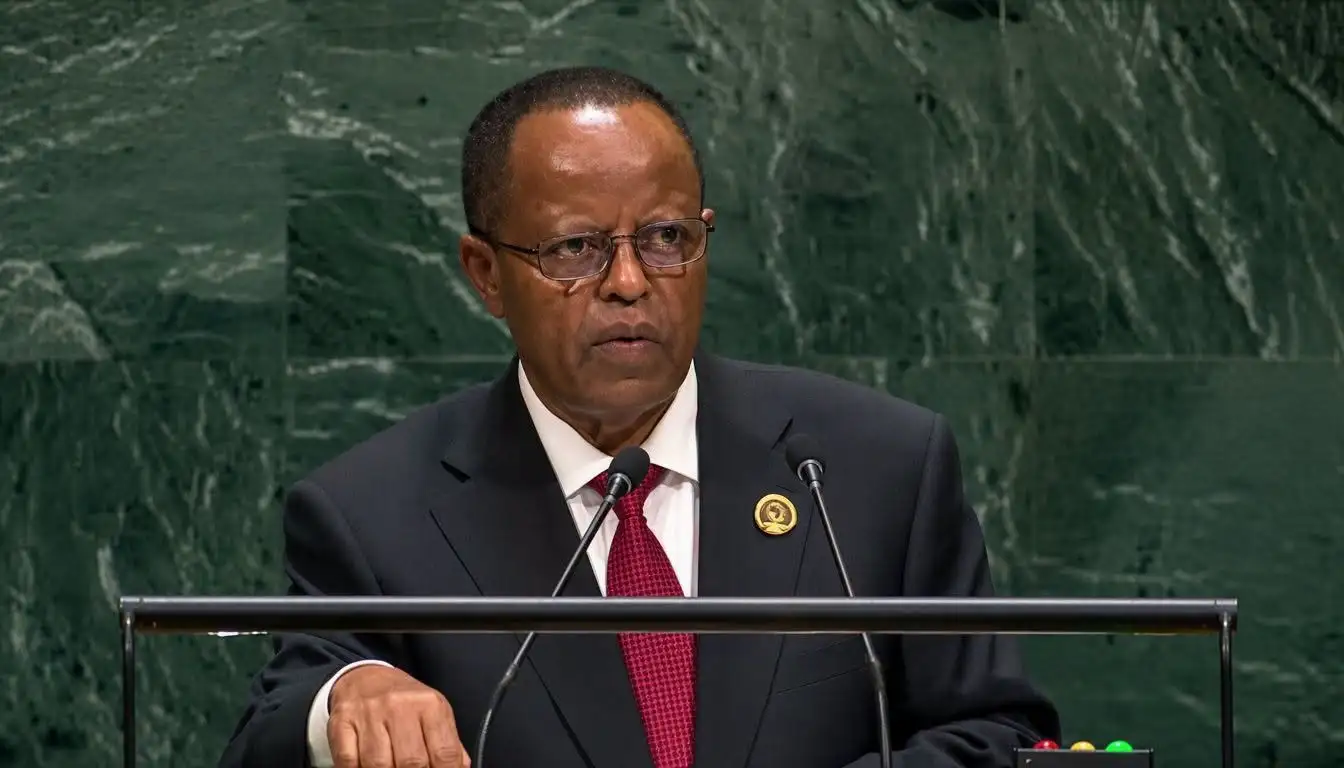
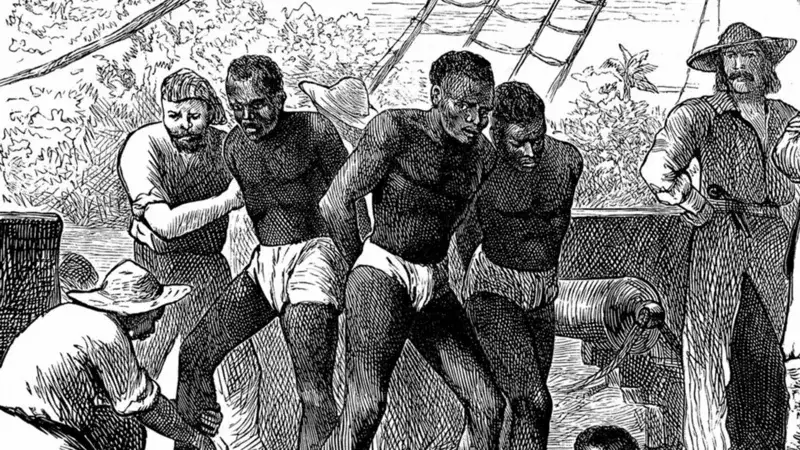
The United Nations General Assembly has officially designated the enslavement of Africans as the "gravest crime against humanity."
The landmark resolution, passed following intense diplomatic negotiations, represents the strongest condemnation of the Transatlantic slave trade ever issued by the international body. While previous UN statements have acknowledged slavery as a crime against humanity, this new language elevates the historical atrocity to a unique level of legal and moral severity.
Though the resolution is non-binding, legal experts and diplomats say it provides unprecedented "moral ammunition" for nations seeking restitution. Leaders from the Caribbean (CARICOM) and the African Union have already signaled that they will use this declaration to intensify demands for formal apologies and financial compensation from former colonial powers.
"This is not just about history; it is about the present," said one delegate during the session. "By labeling this the ‘gravest’ crime, the world is acknowledging that the economic and social disparities we see today are the direct result of a centuries-long criminal enterprise."
The road to the resolution was not without controversy. Sources close to the negotiations indicated that several Western nations including some former colonial powers expressed concern over the "gravest" terminology. Diplomats from these regions reportedly worried that such definitive language could create a "slippery slope" toward legally enforceable financial liabilities in international courts.
Ultimately, the resolution passed with overwhelming support, reflecting a growing global consensus on the need to address the "enduring legacy" of the slave trade.
The UN text explicitly links the historical enslavement of Africans to modern-day systemic racism, police brutality, and global wealth inequality. It calls on member states to go beyond symbolic gestures and implement concrete policies to dismantle the structures of discrimination that persist as a result of the trade.
As the reparations movement gains momentum in the wake of this vote, the focus now shifts to how former colonial nations will respond to a world that has officially defined their historical wealth-building as the ultimate crime against humanity. The story is from the BBC.