Ethiopia has achieved a historic milestone in emergency medical response after its National Emergency Medical Team officially secured international classification from the World Health Organization. The designation makes Ethiopia the first civilian team in the WHO African Region to be classified as a Type 1 Fixed Emergency Medical Team, joining Senegal's military unit as a regional pioneer in standardized emergency care.
The team achieved a score of 96 out of 96 against the WHO African Region implementation framework, demonstrating full preparedness and compliance with required international standards. The achievement marks a major evolution for the unit, which was first established in 2018 as a Disaster Medical Assistance Team before developing into a nationally structured emergency response architecture.
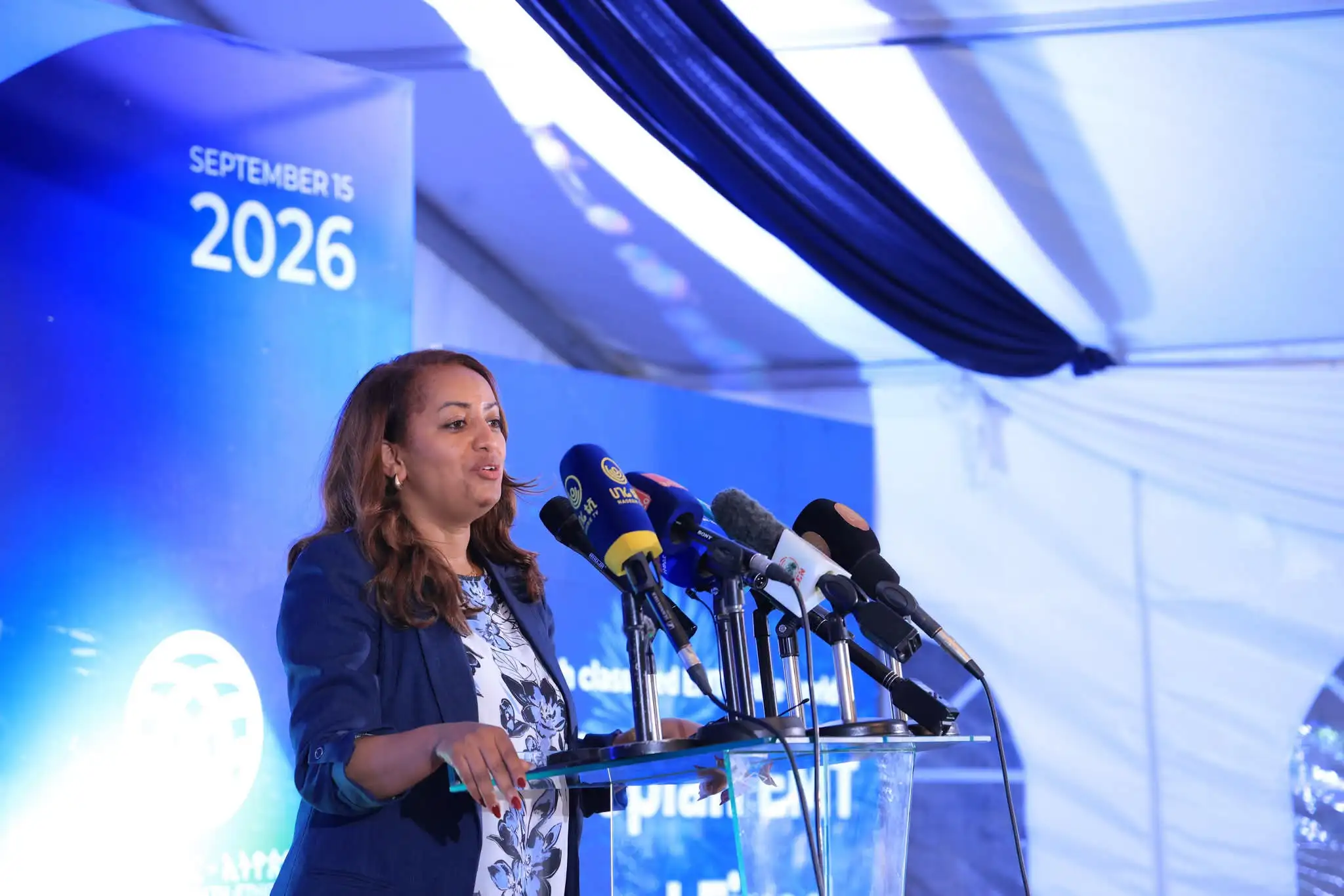
The official recognition was celebrated during a joint ceremony hosted by the Ministry of Health and the Ethiopian Public Health Institute in Addis Ababa. The team has already proven its operational readiness in challenging environments, including emergency deployments for the Gamo Zone landslide in southern Ethiopia and rapid containment activities during the Marburg Virus Disease response.
Development of the national team has been led by the Ministry of Health and the Ethiopian Public Health Institute, supported by technical and operational partners including the WHO, UK-Med, European Civil Protection and Humanitarian Aid Operations, the UK Foreign, Commonwealth & Development Office, and the Spanish Emergency Medical Team.
Health Minister Dr. Mekdes Daba highlighted that standardized emergency preparation is essential in an era of escalating global crises, crediting the milestone to dedicated local responders and international partners. Deputy Health Minister Dr. Dereje Duguma praised the frontline clinicians, nurses, logisticians, and specialists whose dedication forms the backbone of the team.
 Ethiopian Public Health Institute Director General Dr. Mesay Hailu stated that the verification solidifies the institute's vision of serving as a continental center of excellence following its centennial. Deputy Director General Dr. Melkamu Abte noted that the classification builds on years of field experience, transforming mass-casualty response capabilities into a fully integrated national system.
Speaking for the global health body, Prof. Francis Chisaka Kasolo commended Ethiopia’s sustained investment and leadership, noting that the country now sets a clear benchmark for thirty other African nations currently establishing national emergency medical units.
 The achievement further solidifies Ethiopia’s leadership in global emergency health ahead of the 7th Emergency Medical Teams Global Meeting, scheduled to take place in Addis Ababa from November 3 to 5, 2026—marking the first time the global gathering will be hosted in the WHO African Region.