Ethiopia’s push to ditch foreign imports is gaining real traction, bringing Prime Minister Abiy Ahmed’s earlier vision to parliament into sharp focus. In a world constantly shaken by trade wars and supply shocks, making things at home is no longer just smart policy; it’s a matter of national survival.
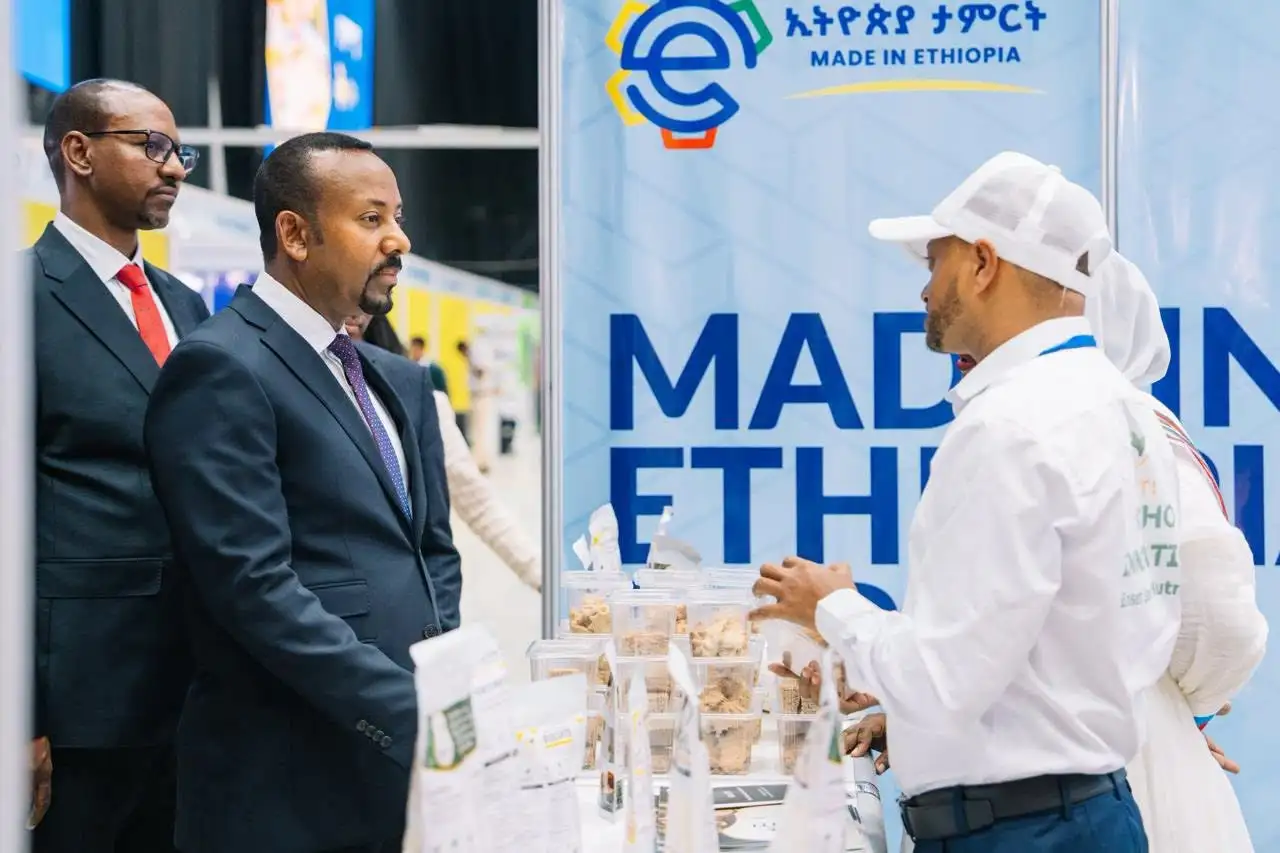
Driven by the administration's overarching synergy philosophy and the "Ethiopia Tamirt," or "Made in Ethiopia," national movement, the country’s manufacturing sector has seen a significant revitalization. Factory production capacity has now reached 67 percent. This deliberate shift from foreign dependency to robust domestic manufacturing is being positioned as a fundamental guarantee for building a resilient, respected nation capable of withstanding international pressure.
The strategy aims to empower local industries long stifled by imports. By producing essential consumer goods and industrial inputs locally, Ethiopia is driving job creation for millions across the manufacturing, agro-processing, and technology sectors. Crucially, the massive outflow of foreign currency previously spent on foreign goods is now being retained and redirected into strategic national development projects. Furthermore, as domestic production scales up, the country is seeing a parallel growth in the skills and technological innovation of its local workforce.
Beyond economics, the shift is heavily rooted in national security. The prevailing sentiment is that relying on other nations for food, medicine, and basic industrial inputs essentially surrenders the country's well-being to the whims of foreign suppliers. In an era where trade sanctions and embargoes are routinely weaponized to exert political pressure, boosting homegrown production capacity is viewed as the ultimate shield. By meeting its own basic needs, Ethiopia aims to insulate its citizens from global market shocks, international conflicts, and health crises, ensuring the state retains the freedom to make decisions based solely on its national interests.
Realizing this ambitious vision requires a highly coordinated national effort. While the government is tasked with providing the necessary infrastructure, financial backing, and policy frameworks to support the manufacturing sector, domestic producers are being challenged to elevate the quality and competitiveness of their goods. Above all, officials are calling for a cultural shift in consumer habits, urging Ethiopians to embrace a spirit of patriotism by consciously choosing to buy local.
The government’s message is clear: substituting foreign imports is not a retreat from global competition but a bold assertion of independence. Moving forward, the true measure of Ethiopia's sovereignty will be forged not just on the political stage, but within its factories, agricultural fields, and innovation centers.