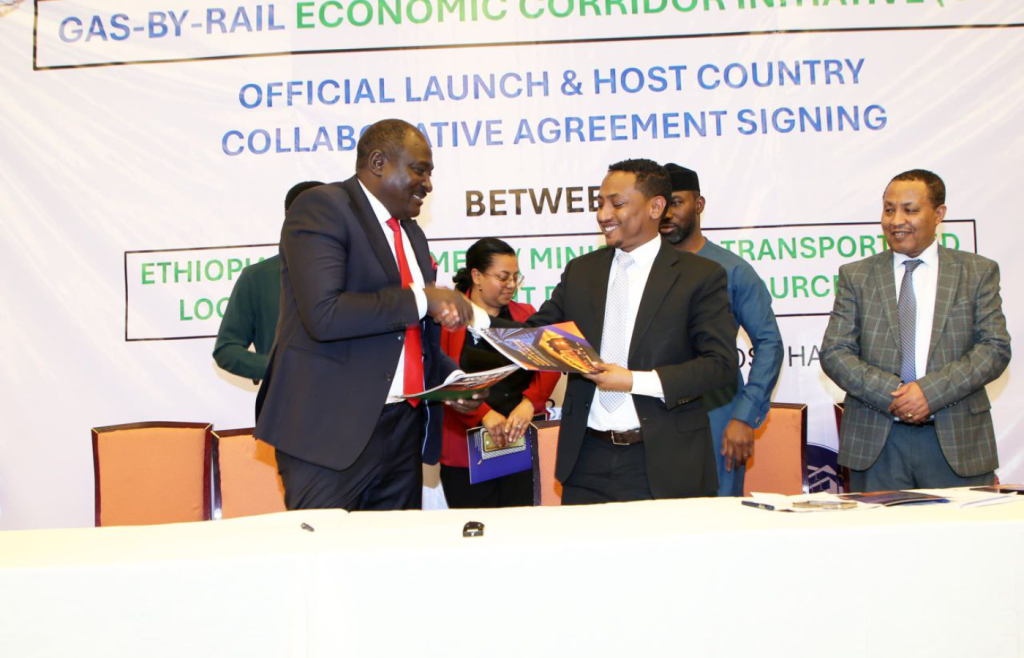
Ethiopia has cemented its role as a regional industrial anchor by signing a historic deal to launch a $29-trillion "Gas-by-Rail" initiative, an ambitious project aiming to fundamentally reshape Africa’s energy landscape.
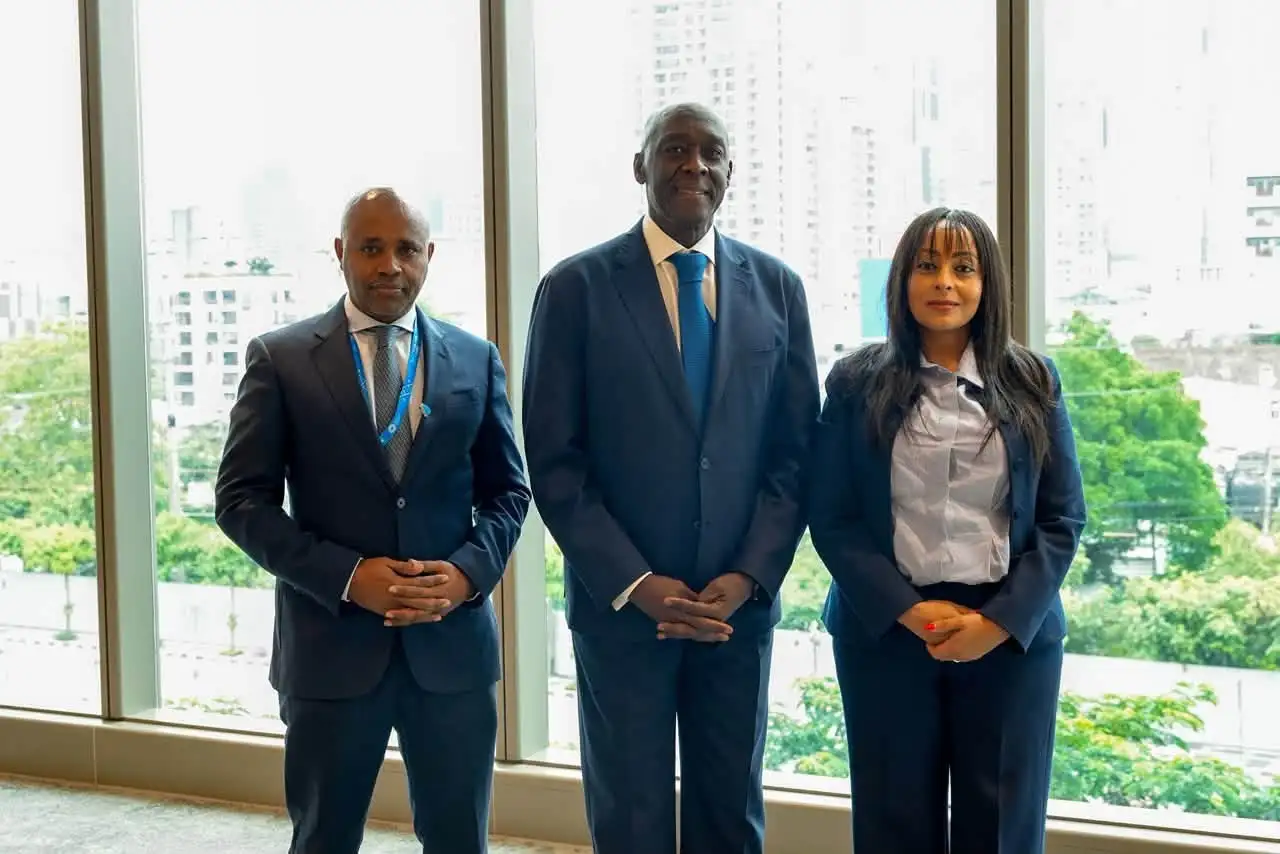
Ethiopian officials formally signed a Host Country Collaborative Agreement with Insight Dynamic Resources on Monday, officially inaugurating the Gas-by-Rail Economic Corridor Initiative (GBR-ECI). The initiative proposes a massive 73,500-kilometre transcontinental railway network, fittingly named the "Iron River of Energy".
The network is designed to transport liquefied natural gas (LNG) across 40 Sub-Saharan nations, serving over 1.2 billion people with a freight rail system. Proponents describe the rail corridor as a "virtual pipeline" that can circumvent the complex geopolitical and engineering challenges that have hindered traditional pipeline projects for years.
The agreement positions Ethiopia to host the "Ethio-Cluster," a major manufacturing zone. This hub is specifically targeted to produce green hydrogen and an annual output of up to five million tonnes of green steel by 2030.
The initiative’s visionary, Musa Ibrahim Kuchi, emphasised the urgent need for a shift in energy sources. "Africa cannot industrialise on charcoal and firewood," he stated. "We are burning our future to survive today. Gas-by-Rail delivers energy where pipelines cannot reach".
Key projected impacts of the project include a significant environmental benefit, with the aim to slash woodfuel consumption and overall greenhouse gas emissions by 75%.
The continent-spanning energy project has already attracted the interest of major global industrial players, including Germany’s SMS Group and the U.S.-based Wabtec Corporation.
According to AllAfrica, monday’s signing is the prelude to a crucial High-Level Summit scheduled for 2026, also in Addis Ababa. Forty African Heads of State are expected to convene at this summit to ratify the necessary protocols required to operationalise the new energy grid.