
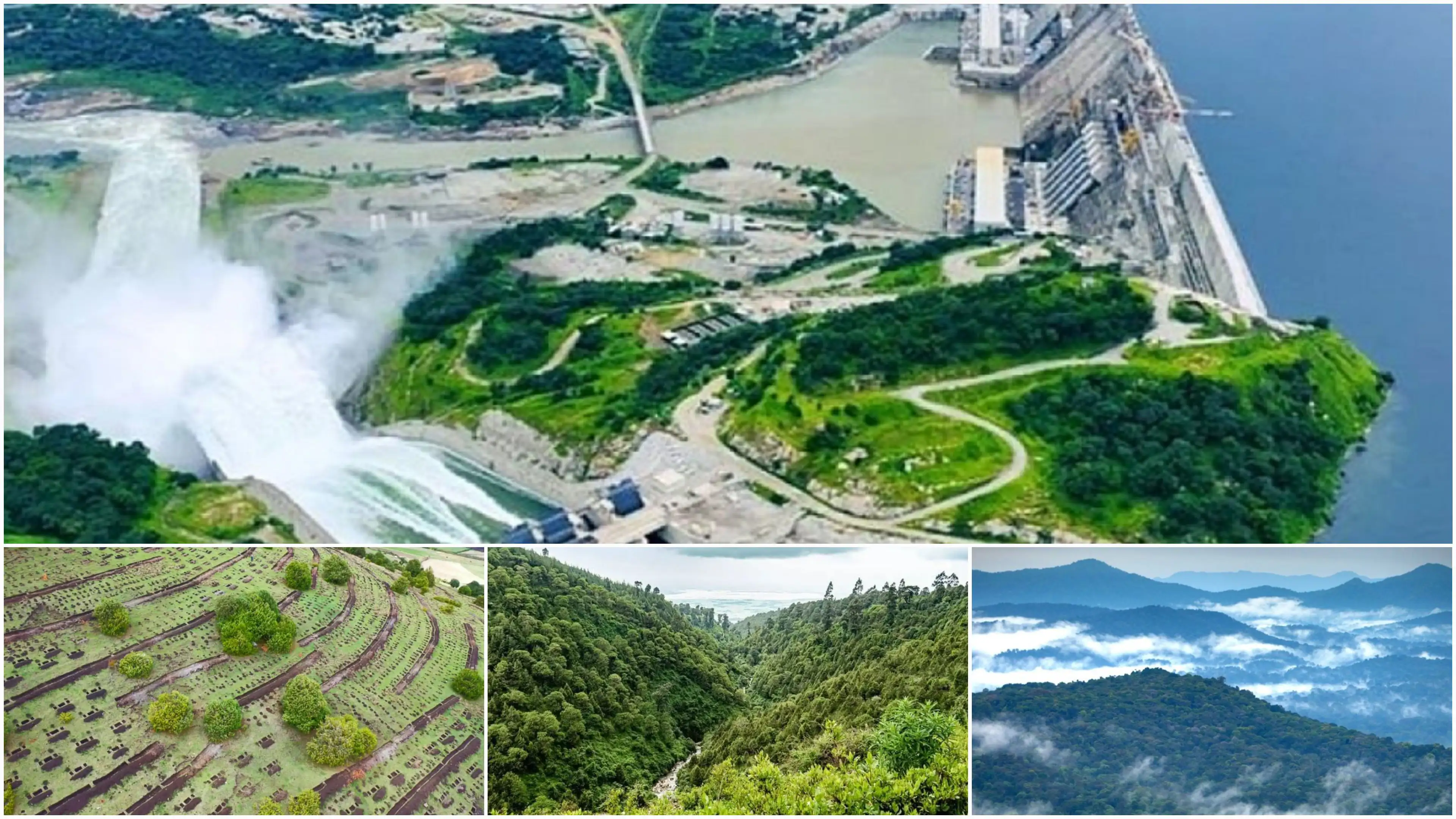
As the global community grapples with the escalating threats of climate change, including devastating floods and prolonged droughts, Ethiopia has emerged as a continental vanguard in the development of a carbon-resilient "green economy." The nation currently derives more than 90% of its electricity from renewable sources, a feat that is transforming its ambitious vision of becoming East Africa’s primary clean energy hub into a tangible reality.
This environmental shift is underpinned by a strategic synergy between the "Green Legacy" initiative and renewable energy infrastructure. The massive national movement to plant billions of trees extends far beyond traditional conservation; it serves as a critical safeguard for the country's hydroelectric dams and maintains the ecological equilibrium necessary for sustainable power generation. This proactive climate strategy has further enabled Ethiopia to tap into international carbon markets, creating a new stream of environmental revenue.
The transition to hydro, wind, solar, and geothermal power is also driving a broader industrial transformation. By providing a low-cost energy supply for local manufacturing, the government is reducing its dependence on expensive fossil fuel imports, thereby strengthening the nation’s economic sovereignty. This green transition is equally visible in the transport sector, where the administration’s "Medemer" philosophy has prioritised electric light rail systems and the adoption of electric vehicles. Industrial parks across the country have also been transitioned to renewable power, marking a significant step in the national effort to curb carbon emissions.
Beyond its borders, Ethiopia is positioning itself as the engine of regional integration. Major infrastructure projects, most notably the Grand Ethiopian Renaissance Dam (GERD), are increasingly functioning as the economic arteries of East Africa. By exporting surplus clean energy to neighbouring states, Ethiopia is fostering a more interconnected and sustainable regional economy. As the nation moves toward its 2030 goal of a climate-resilient economy, officials maintain that the environmental efforts of today represent a lasting heritage for future generations.