Not long ago, the Nile River Basin faced severe ecological disruption and existential environmental threats. Widespread deforestation, catastrophic soil erosion, and land degradation placed the river’s long-term vitality in jeopardy.
Since Ethiopia launched its landmark Green Legacy Initiative to reverse this environmental falloff, the basin's ecosystem has experienced a remarkable revival. Yet, rather than embracing this undeniable scientific reality, downstream Egypt remains entangled in futile political maneuvering and diplomatic rhetoric.
The Economic and Ecological Dividends of the Green Legacy
Prior to the implementation of the Green Legacy Initiative, over 100 million tons of topsoil were washed away annually from Ethiopia’s highlands into downstream territories. This runoff caused massive siltation in Sudan’s Roseires and Sennar dams, as well as Egypt’s Aswan High Dam, severely diminishing their water storage capacities and forcing both nations to spend millions of dollars annually on desilting operations.
Today, the billions of trees planted across Ethiopia have dramatically checked soil erosion and mitigated silt accumulation. Beyond boosting water quality, this monumental effort presents Egypt and Sudan with an invaluable, cost-free economic and environmental dividend.
Scientific Truth: A Highland Water Bank Versus Desert Evaporation
Empirical scientific research reveals that between 10 to 14 billion cubic meters of water evaporate annually at the Aswan High Dam due to Egypt’s scorching desert climate. Egypt’s primary water loss stems from natural atmospheric evaporation, not from Ethiopia’s sustainable development initiatives.
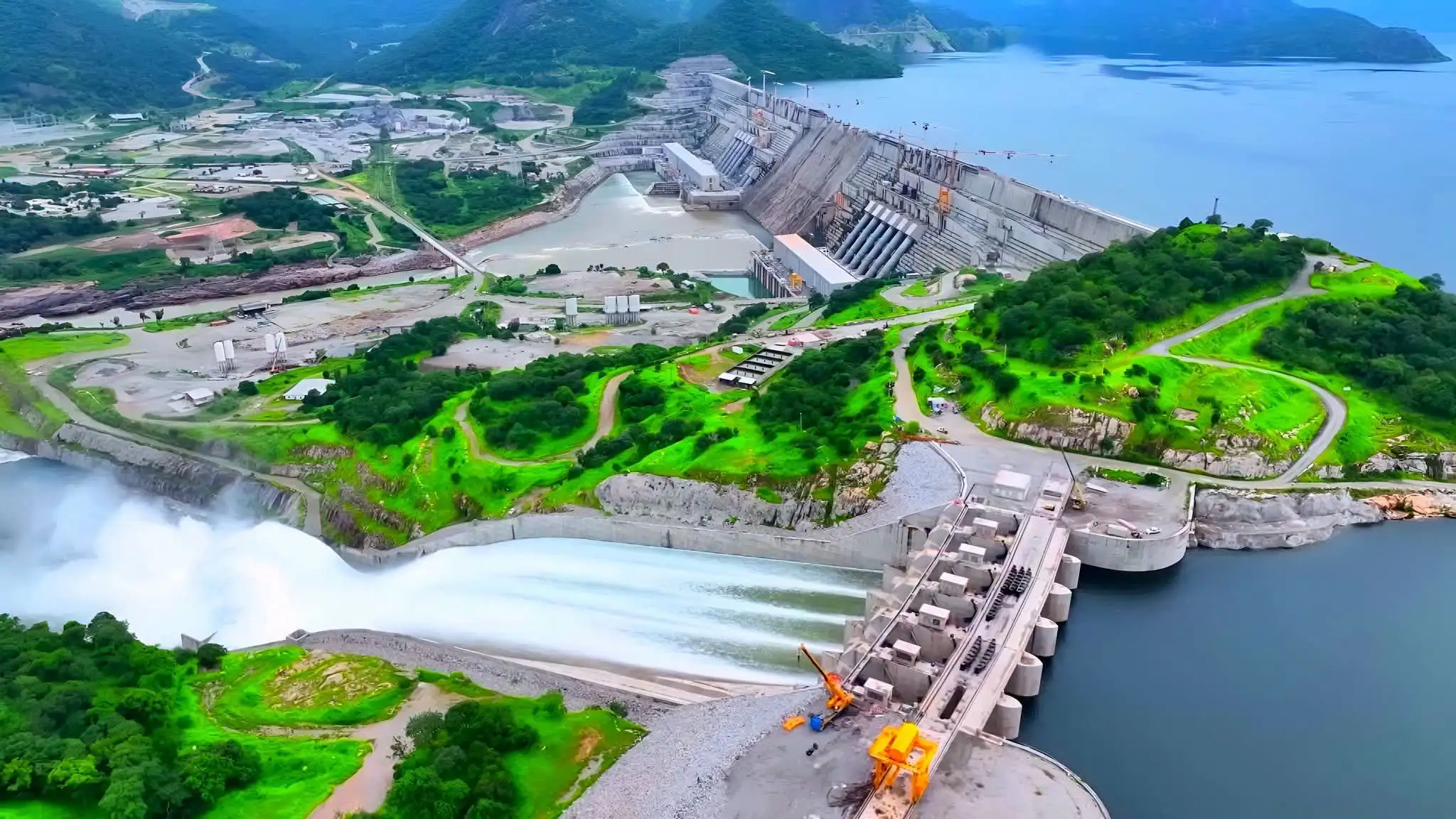
Conversely, the billions of trees planted in Ethiopia’s cool highlands facilitate groundwater recharge, minimizing evaporation and sustaining steady water flow even during dry seasons. Similarly, the Grand Ethiopian Renaissance Dam (GERD) in Guba operates in a climate with significantly lower evaporation rates, functioning as a reliable and efficient regional water bank.
The Strategic Benefits of Cooperation for Egypt
Egypt’s fundamental miscalculation lies in seeking water security through diplomatic pressure and obsolete colonial-era treaties from 1929 and 1959. Nature does not bow to outdated paper agreements; in an era of global climate change and rapid population growth, true water security can only be achieved through joint stewardship of the river's source.
By embracing green cooperation, Egypt stands to gain immensely. First, it can redirect vast financial resources away from geopolitical subversion and arms acquisitions toward joint watershed conservation and green development. Second, it secures access to affordable clean energy and a reliable hydrological buffer against severe droughts. Ultimately, shifting from geopolitical hostility to constructive climate action will earn Egypt regional stability and global diplomatic credibility.
Prime Minister Abiy Ahmed’s Strategic Message
As Prime Minister Abiy Ahmed (PhD) has repeatedly affirmed, Ethiopia’s goal is not to monopolize the Abay, but to foster shared regional prosperity. If Egypt’s concerns regarding water security are genuine, the solution will not be found in political posturing at the United Nations Security Council or the Arab League. The true remedy resides in the highlands of Ethiopia where the Nile originates. Environmental restoration and green diplomacy are existential imperatives, not political choices. Recognizing this scientific reality and accepting Ethiopia’s invitation to partnership and shared development represents Egypt's only viable strategic path forward.