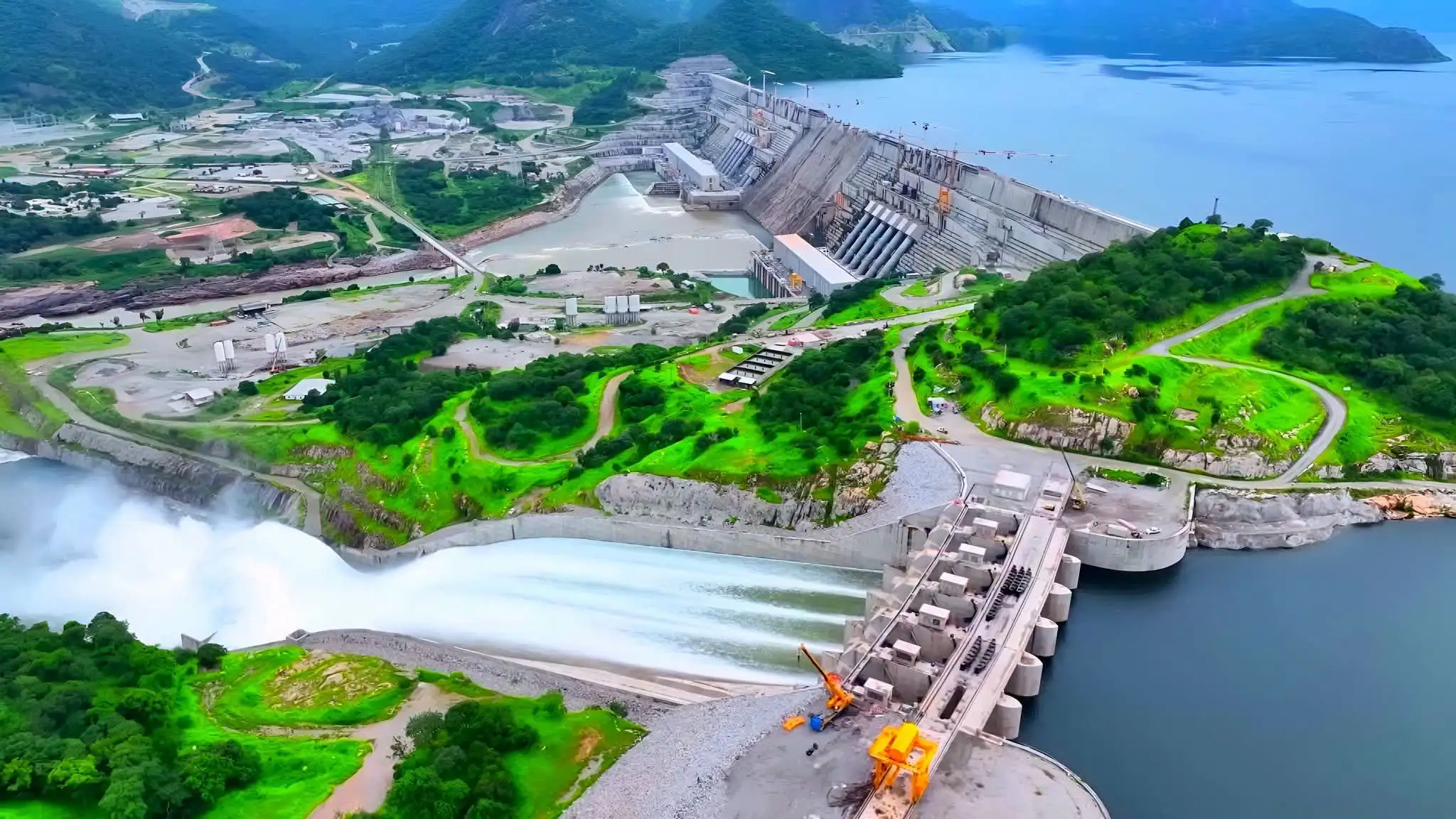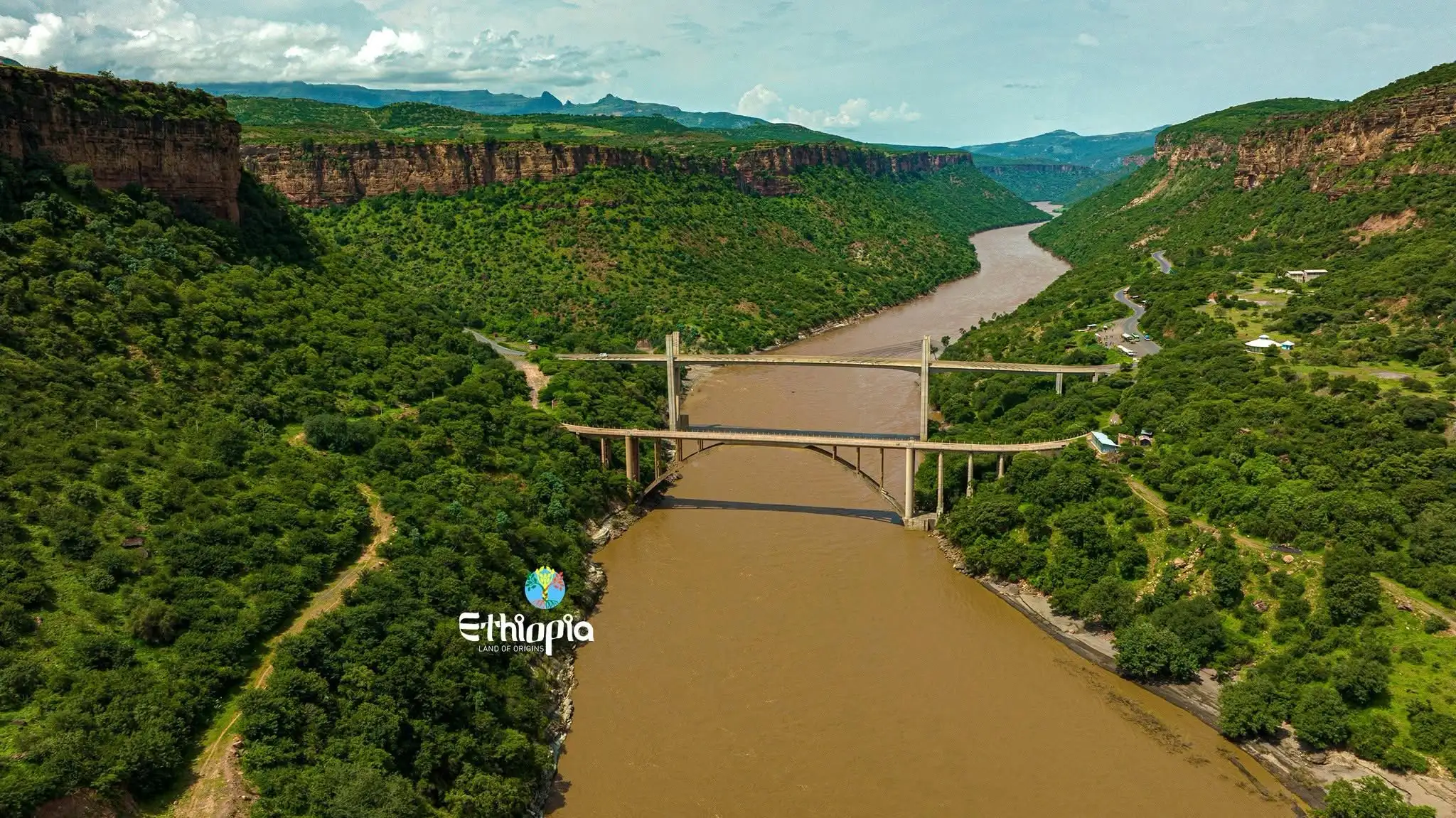
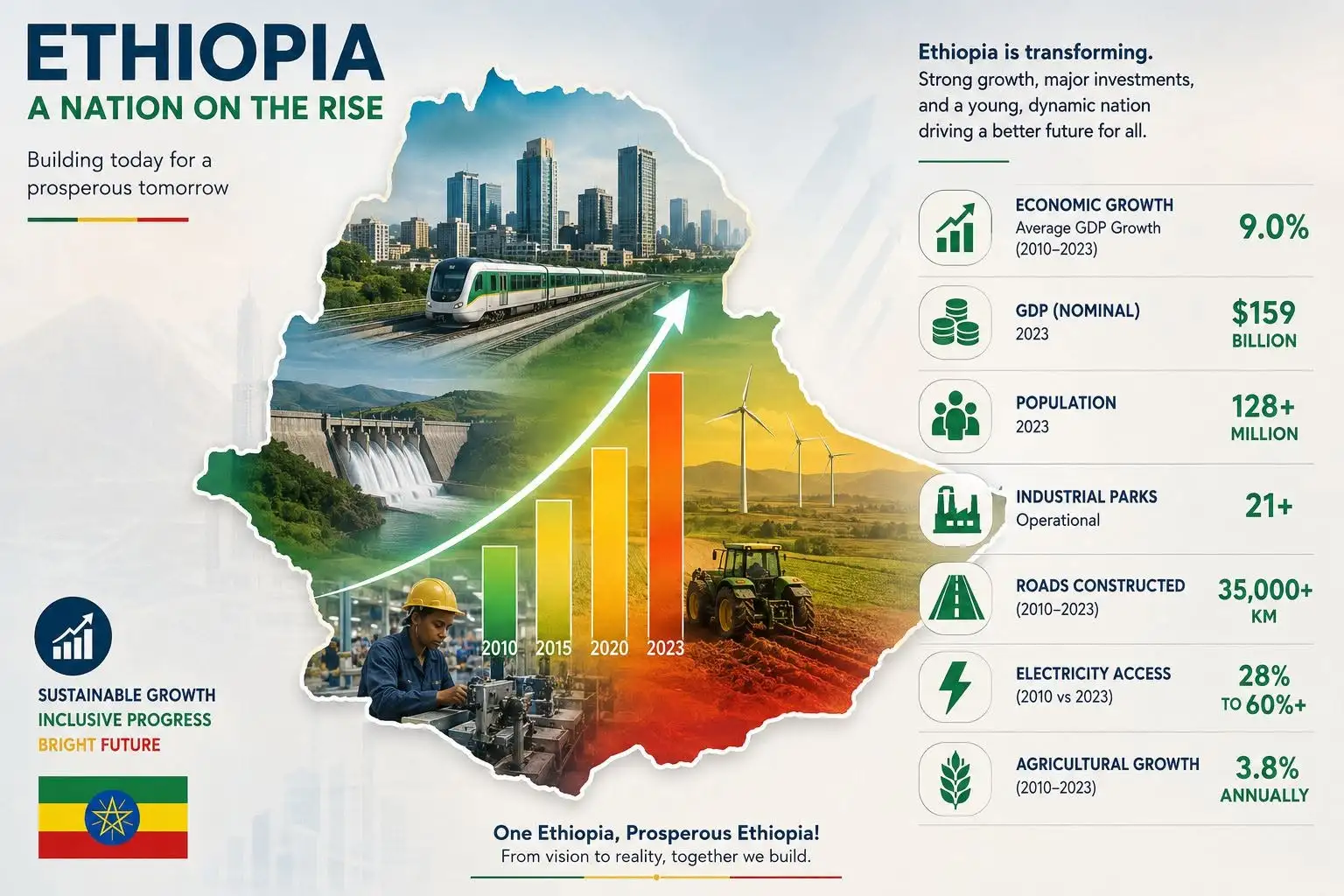
Development is rarely achieved under ideal conditions. Many of today's most successful economies advanced while navigating political transitions, regional instability, economic shocks, and environmental challenges. Ethiopia's experience reflects this reality. In recent years, Ethiopia has accelerated reforms across sectors critical to long-term growth. Investments in transport infrastructure, renewable energy, agricultural modernization, digital transformation, mining, manufacturing, tourism, and environmental restoration are reshaping the country's economic landscape. Landmark projects including the Grand Ethiopian Renaissance Dam (GERD), expanding road and railway networks, industrial parks, tourist destinations, and digital public services are designed to improve productivity, expand energy access, strengthen connectivity, and stimulate private-sector investment.
Agriculture, the backbone of Ethiopia's economy, has also undergone significant change. Increased wheat production has strengthened domestic food security and reduced dependence on imports, while the Green Legacy Initiative has evolved into one of the world's largest public reforestation campaigns, combining environmental restoration with climate resilience, biodiversity conservation, and green economic development.
The World Bank has acknowledged Ethiopia's record of long-term growth and ongoing macroeconomic reforms aimed at improving competitiveness and expanding private investment. Likewise, the African Development Bank has identified investments in infrastructure, energy, and human capital as important foundations for sustained economic transformation. As Africa's second-most populous country, Ethiopia also plays an important role in the future of the Horn of Africa. Expanding transport corridors, cross-border electricity exports, and growing regional trade demonstrate how national development can support broader regional integration and shared prosperity.
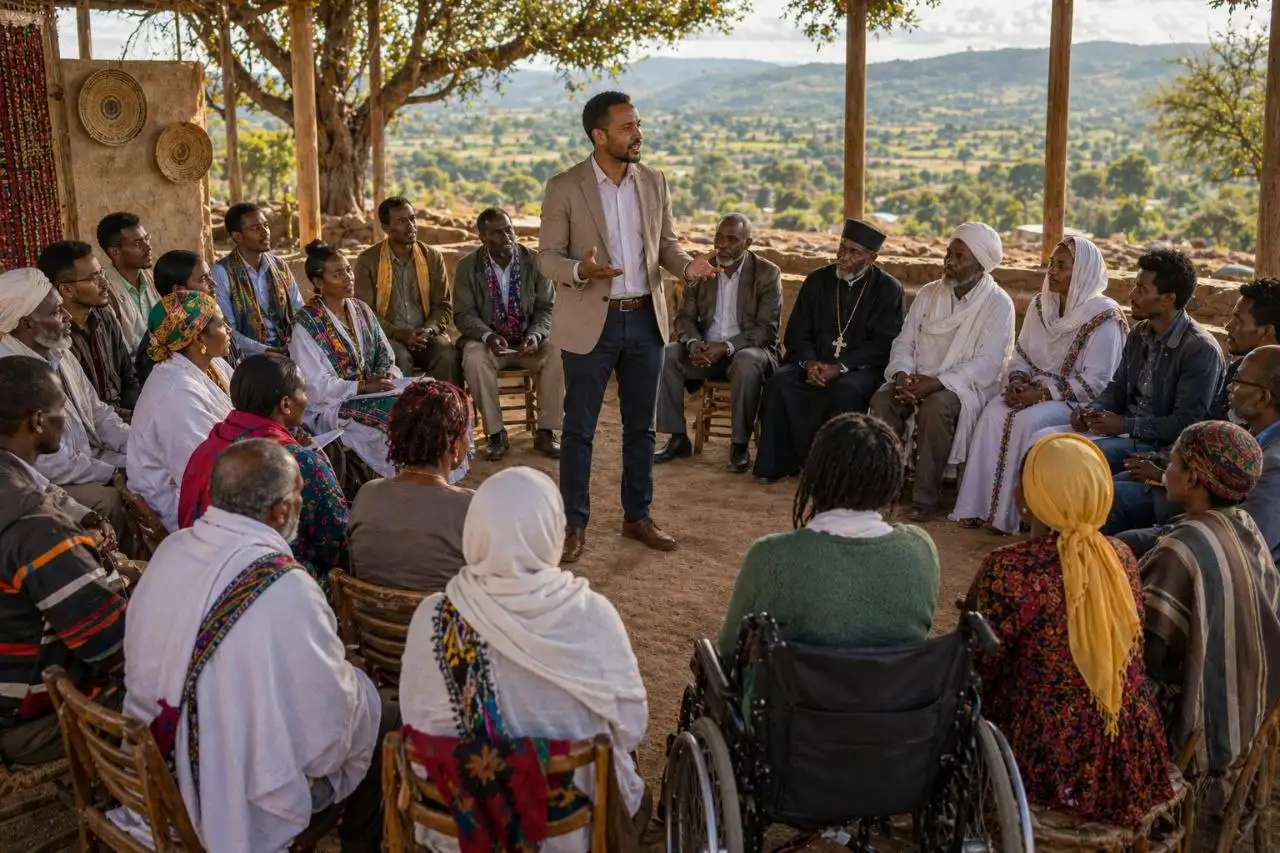
As Ethiopia advances its development agenda, parallel efforts are underway to strengthen the foundations of long-term stability and inclusive growth. The Homegrown Economic Reform Agenda is expanding market-oriented reforms, improving the investment climate, and enhancing macroeconomic resilience. At the same time, the National Dialogue seeks to provide an inclusive platform for addressing longstanding political differences through peaceful discussion and consensus-building. Together with continued investments in institutional reform, digital transformation, human capital, and environmental sustainability, these initiatives reflect a broader vision: that durable development is built not only through infrastructure and economic growth, but also through dialogue, sound governance, public trust, and national cohesion.
Ethiopia's development journey is still unfolding. Its continued commitment to structural reform, infrastructure, agricultural transformation, environmental sustainability, and regional cooperation provides a strong foundation for future growth. If this momentum is sustained, Ethiopia has the potential to strengthen its own prosperity while contributing meaningfully to the economic integration, stability, and sustainable development of the Horn of Africa and the wider African continent.