By: Amen Biniyam
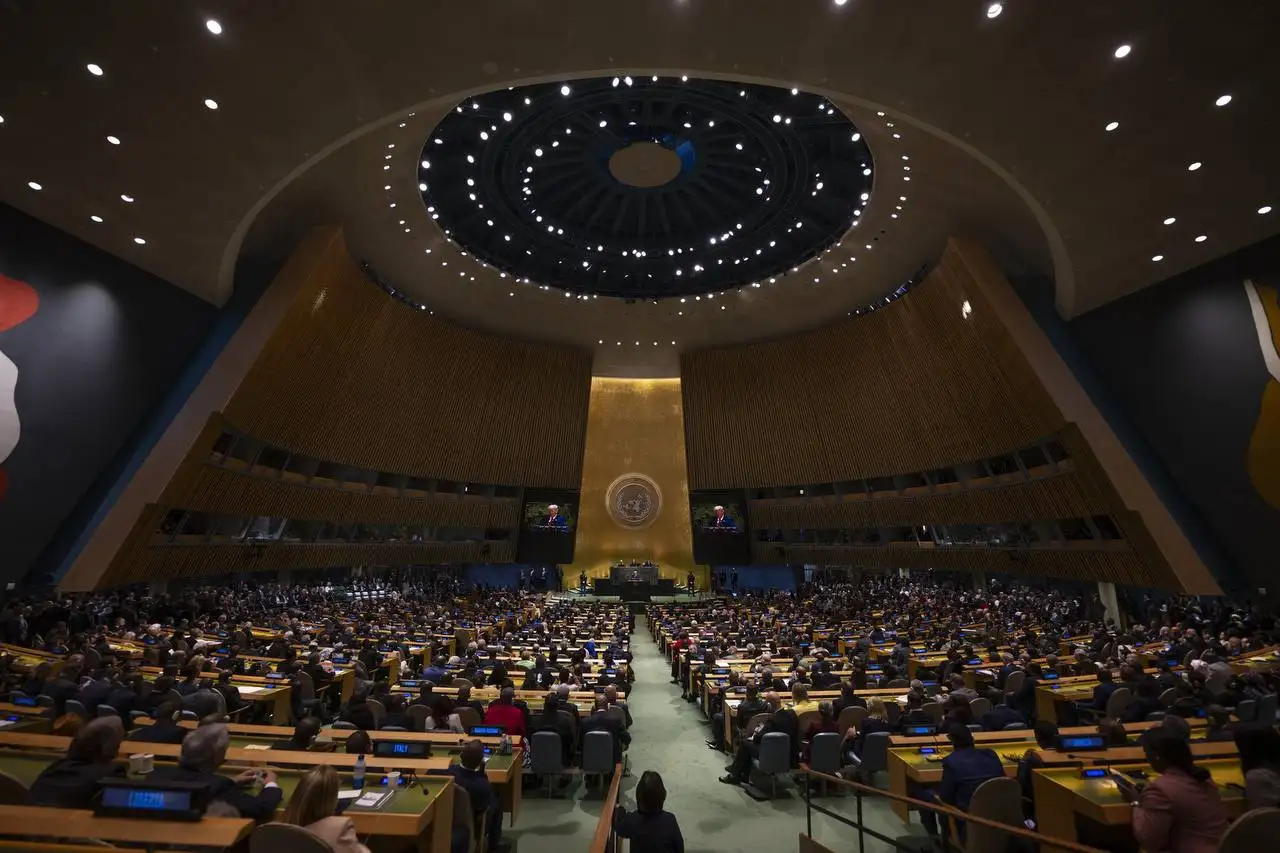
As the UN General Assembly’s 81st session opened its General Debate this week under the theme "Restoring trust, managing transformation: A United Nations that delivers for all," the words carried particular weight for Africa. For a continent that has spent two decades pressing the world body to make good on promises of representation, "trust" isn't abstract—it is a measure of whether multilateralism still works for the majority of the world's states.
This year's gathering finds Africa arriving with more institutional standing than at almost any point since the UN's founding. The African Union's seat at the G20 table, secured in recent years, has become the AU's standard proof that global governance can still evolve. Alongside it sit quieter gains: the deepening implementation of the African Continental Free Trade Area (AfCFTA)—now linking 54 countries into the world's largest single market—and the AU's own 2026 theme of the year, securing sustainable water access and sanitation as a foundation for Agenda 2063. That theme, almost by coincidence, echoes the UN's own language of "delivering for all." Both institutions are being asked, in the same year, whether they can turn declarations into delivery.
But the achievement Africa still cannot claim is the one it has pursued longest: a permanent voice, with veto power, on the UN Security Council.
The African position has not moved in twenty years. It remains anchored in the Ezulwini Consensus—adopted in Eswatini in 2005 and reaffirmed at Sirte the same year—demanding no fewer than two permanent seats for Africa, carrying full privileges including the veto for as long as the veto itself exists, plus five non-permanent seats in an expanded Council.
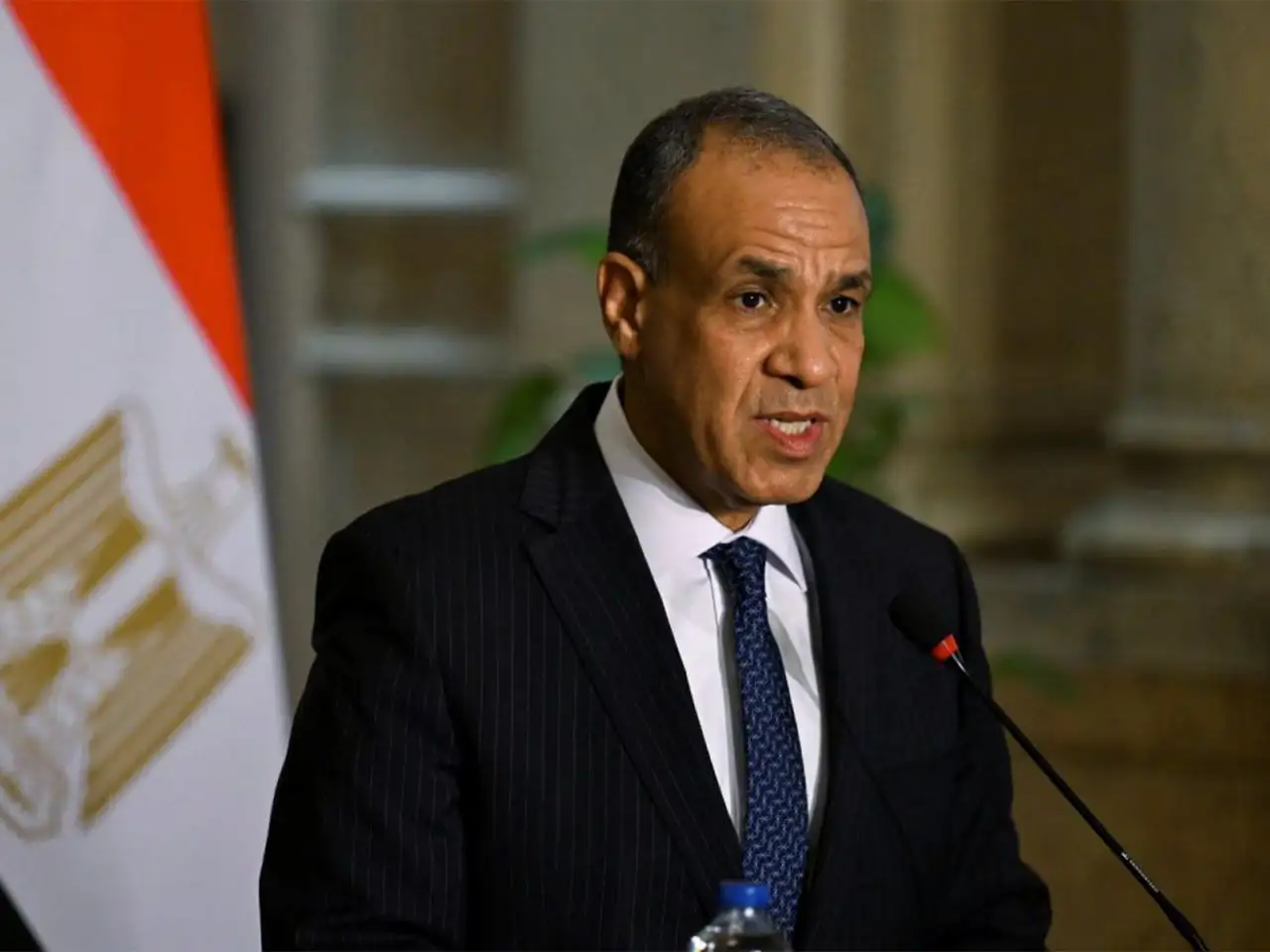
Speaking in Nairobi this past May on the margins of the Africa–France Summit, AU Commission Chairperson Mahmoud Ali Youssouf restated the demand in terms that have become Africa's standard line at the UN: that the continent is "not asking for a favor," but for the correction of a historical wrong. Home to 54 member states—the largest regional bloc in the General Assembly—Africa remains the only continent with no permanent representation in the one UN body empowered to decide questions of war, peace, and sanctions that most often concern it directly.
The obstacles are structural, not rhetorical. The five existing permanent members hold the very veto that reform would extend, giving each an effective say over whether their own privilege is diluted. Competing reform blocs—the G4 nations pushing for their own permanent seats, and the Uniting for Consensus group opposing new permanent seats altogether—have kept negotiations gridlocked for a generation.
This year's session opens against a backdrop that sharpens the case for reform without making the politics any easier. With Russia and China vetoing a US-backed resolution just this month, and the Council increasingly unable to act decisively on Sudan, Ukraine, or Gaza, the credibility gap Youssouf points to isn't hypothetical—it is on display in real time.
For Ethiopia—host to the African Union and a steadfast advocate of the Ezulwini position—this year's General Debate is also a test of diplomatic coordination. The Common African Position depends on 54 states speaking with one voice; the work of holding that line, session after session, happens as much in Addis Ababa as it does in New York.
What the 81st Assembly ultimately tests is whether "restoring trust" can mean more than better process. Africa's trust in the UN was broken at the institution's founding, when the continent had no seat at the table that redrew the postwar order. Eighty years on, the theme of the year hands African diplomats a rhetorical opening they have used before and will use again this week: an institution asking the world to trust it cannot keep asking Africa to wait.
References
- United Nations General Assembly. "General Assembly of the United Nations—81st Session." un.org, 2026.
- UN Meetings Coverage and Press Releases. "General Assembly, 5th & 6th Meetings (AM & PM), 22 September 2026." press.un.org.
- Al Jazeera. "UN General Assembly 2026: When is it, who is speaking, and when? "Al Jazeera," September 2026.
- CNN. "What to expect at the UN General Assembly, the biggest event in world diplomacy." cnn.com, September 21, 2026.
- Foreign Policy. "UNGA Convenes With Uncertainty on the Horizon." foreignpolicy.com, September 21, 2026.
- African Union Commission. "AUC Chairperson reaffirmed Africa's united & principled position on UN Security Council reform." au.int, May 11, 2026.