
Ethiopia is undergoing a profound transformation as it sheds its traditional labor habits in favor of a rigorous, round-the-clock work culture.
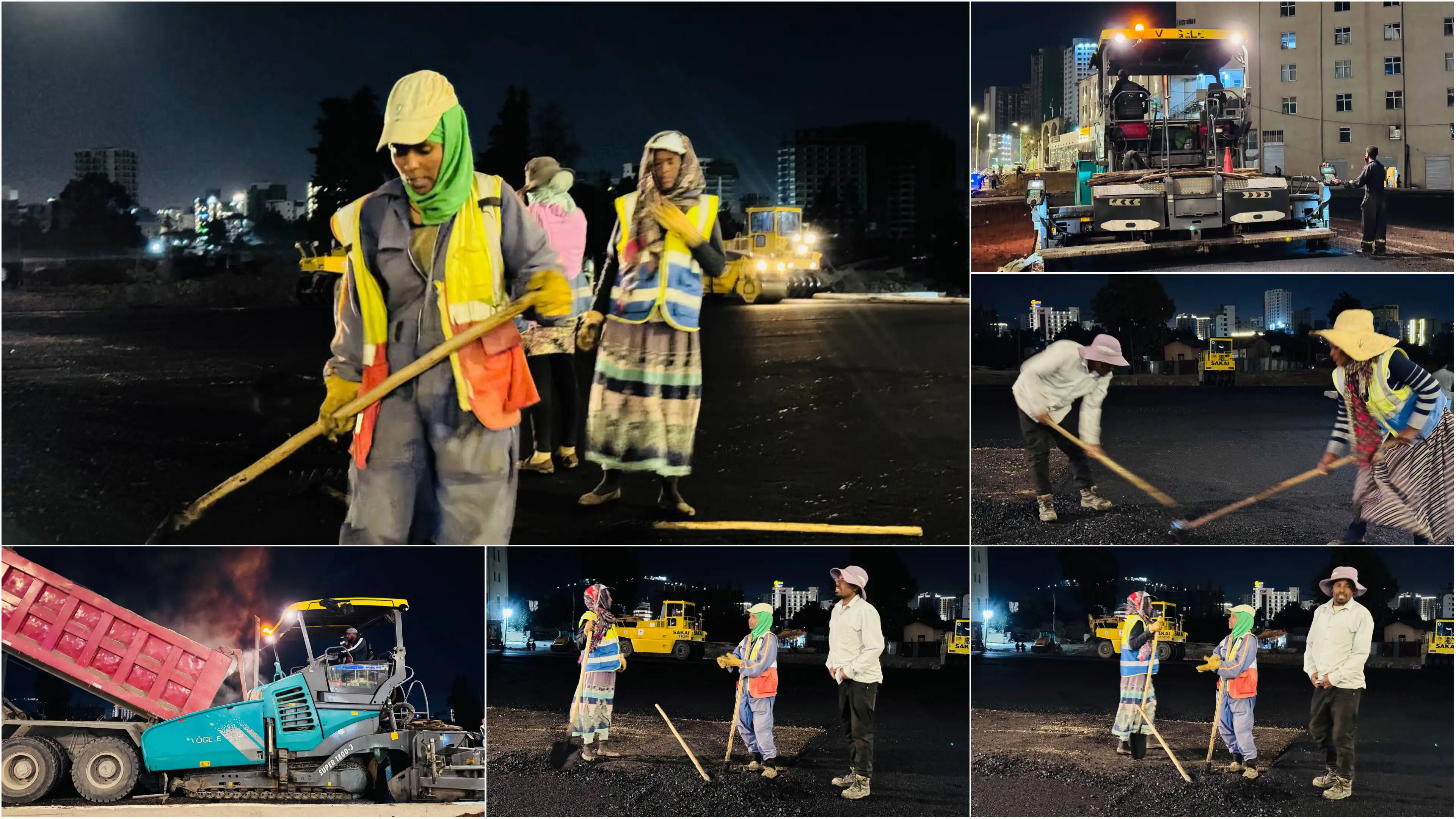
This shift, highlighted by Prime Minister Abiy Ahmed during a recent parliamentary briefing, marks a departure from outdated practices toward a modern "24/7" mindset. Infrastructure projects across Addis Ababa and beyond are no longer daylight-only endeavors; instead, the Prime Minister noted that the nights are now defined by the glow of construction lights and the constant movement of cranes and machinery, signaling a nation that works while the world sleeps.
Central to this industrial awakening is the pivotal role of women, whom the Prime Minister praised for their resilience and integrity. In major corridor developments and regional projects like those in Jimma, women are reportedly performing up to 90 percent of the most demanding labor, setting a new benchmark for quality and dedication.
This cultural overhaul is further supported by a "boots-on-the-ground" leadership style, with officials maintaining constant oversight to prevent waste and ensure that project delivery speeds are effectively doubled.
Ultimately, this drive for productivity is framed as a strategic move to secure the nation’s future. By fostering a culture of tireless diligence, Ethiopia aims to achieve its projected 10.2 percent economic growth for the current fiscal year while easing the debt burden on future generations.
As the Prime Minister suggested, this newfound work ethic is not merely about infrastructure—it is the essential foundation for Ethiopia’s long-term economic independence and national sovereignty.