The Red Sea region is no longer a passive backdrop for global power plays; it is now a hotbed where local nations are aggressively dictating the terms of engagement with external forces. This dramatic shift marks a critical evolution in the landscape, where regional governments have transformed from mere recipients of foreign policy into active, opportunistic shapers of the new global order.
A critical element of this shifting landscape is the evolution of local actors. As analyzed in a recent article from The Conversation, Governments in nations such as Ethiopia, Sudan, Eritrea, Egypt, and Somalia are no longer passive recipients of external foreign policy. Instead, they are actively leveraging the global rivalries to advance their own national and regional interests.
This strategy, known as "multi-alignment," involves skillfully playing powerful external patrons—including the US, China, Russia, and Gulf States—against each other. Local leaders strategically trade valuable assets, such as military access or security guarantees, for vital infrastructure investments and political support. This transactional diplomacy not only enhances their domestic legitimacy and regional standing but also grants them significant leverage over the world's great powers. While empowering, this fluid, non-committal approach simultaneously introduces a higher degree of uncertainty and volatility into the regional security environment, as loyalties are fleeting and constantly negotiable.
The strategic maneuvering in the Red Sea region perfectly encapsulates the reality of the post-liberal international order: it is deeply interconnected, highly fragmented, and overwhelmingly transactional.
Crucially, the competition is no longer managed through sweeping, top-down international institutions. Instead, influence is directly waged in these specific regional theatres, with power exerted through infrastructure development, military presence, and flexible political alliances.
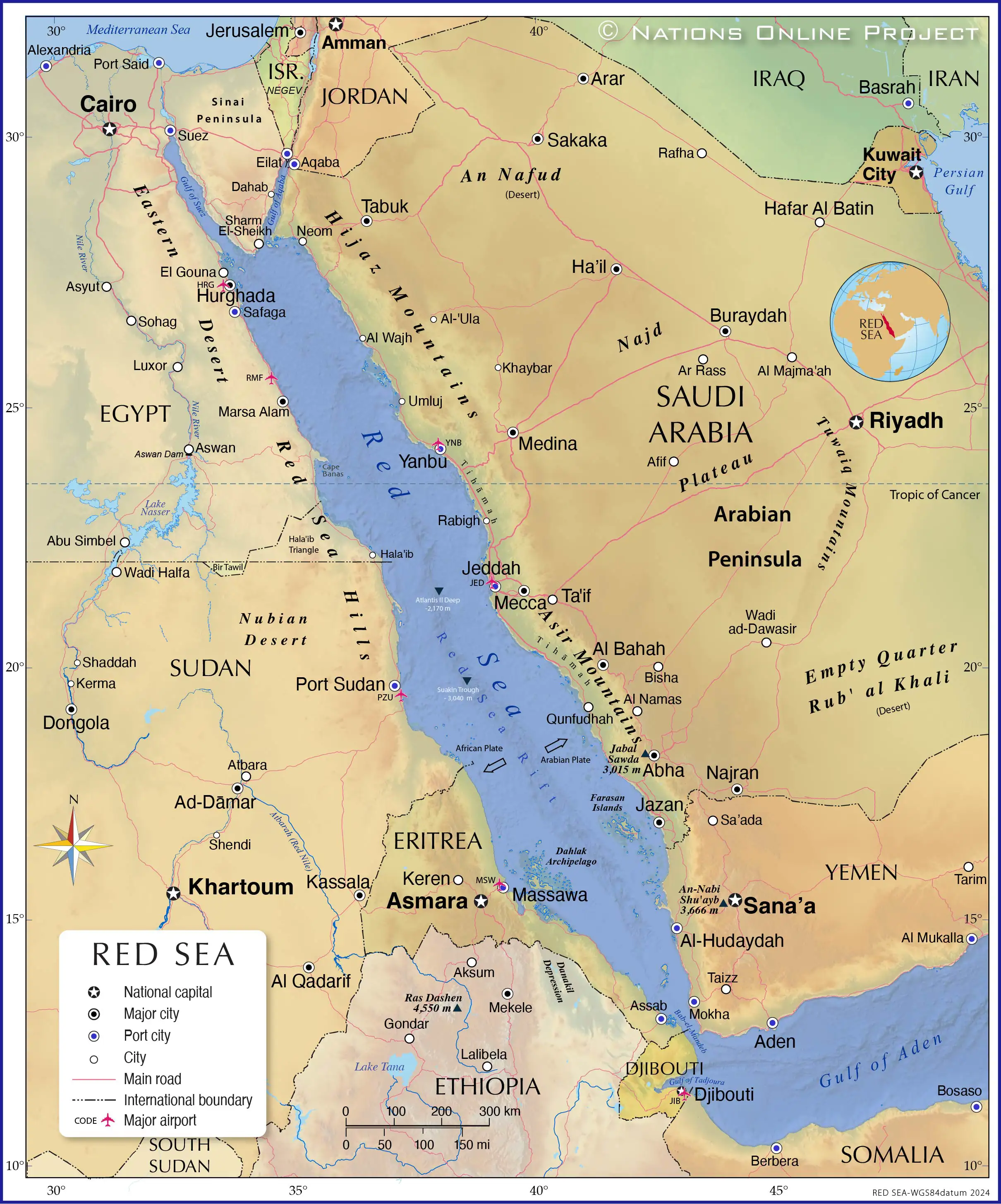
The future of global politics, analysts conclude, will not be shaped solely in the traditional power capitals like Washington, Beijing, or Moscow. It is being actively forged in pivotal regional hubs such as Port Sudan, Aden, and Djibouti, where local actors are actively co-authoring the story of the next global order.