
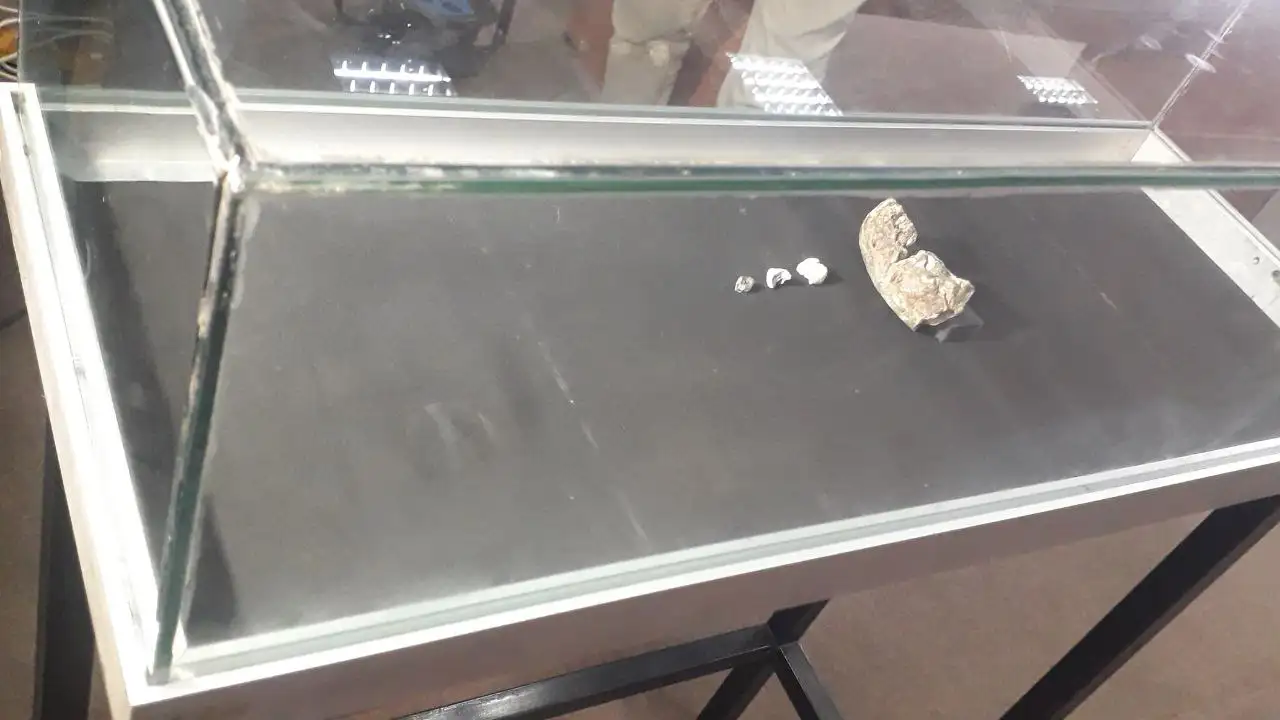
Ethiopia has once again captured the world's attention by hosting a major scientific breakthrough. At the Mille-Logya paleontological site in the Afar region, researchers have discovered a 2.6-million-year-old fossil belonging to the prehistoric hominid genus known as Paranthropus. This find is particularly significant because researchers have confirmed that this species is distinct and new compared to any previously documented lineages in Ethiopia.
The discovery was made by an international team of experts led by the world-renowned Professor Zeresenay Alemseged from the University of Chicago. Highlighting the importance of the find, Elias Shkur, Deputy Director General of the Ethiopian Heritage Authority, stated that this discovery reaffirms Ethiopia’s status as the "Cradle of Humankind." Professor Zeresenay further explained that the study identifies this Paranthropus species as having a remarkable capacity for environmental adaptation, which enabled it to thrive across diverse habitats.
Beyond its scientific value, this discovery is expected to play a major role in boosting Ethiopia's tourism sector and enhancing its international diplomatic standing. It is also seen as a powerful inspiration for cultivating the next generation of young researchers in the field. As this latest find proves, Ethiopia, the Cradle of Humankind, continues to renew and expand its rich history.