
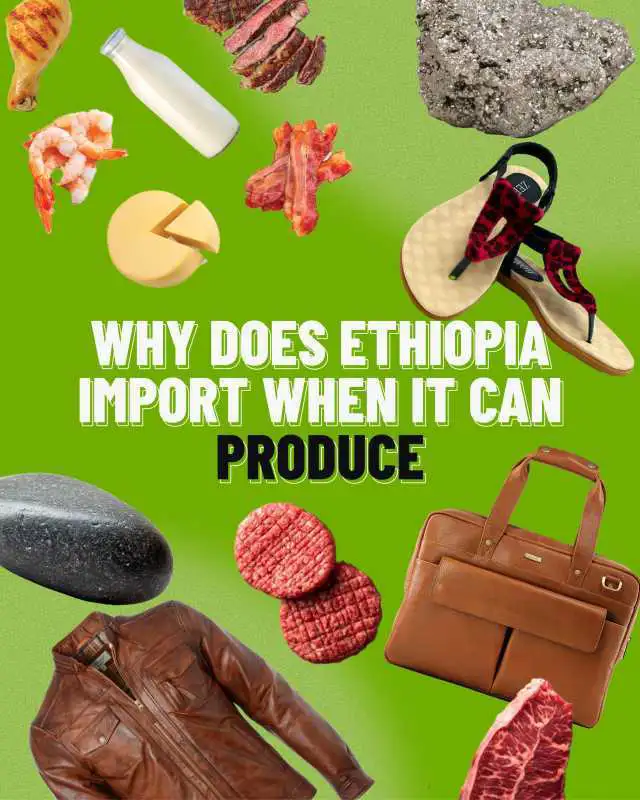
The Ethiopian government’s ambitious program to overhaul its economy is beginning to yield significant dividends, as a series of aggressive macroeconomic reforms aims to mend structural fractures that have hindered the nation for decades. By transitioning to a market-led foreign exchange system and prioritizing the "Medemer" principle of synergy, the administration has reported a surge in government revenue and a much-needed boost to export capacity. These efforts are part of a broader strategy to tackle persistent challenges such as chronic inflation, heavy external debt, and the recurring shortage of foreign currency that has long stifled private sector growth.
A central pillar of this success is the government's focus on "import substitution," a strategy designed to replace foreign-made goods with locally manufactured alternatives. This shift has already produced a staggering result, with the country saving 3.4 billion US dollars in foreign exchange over the past six months alone. The "Ethiopia Tamirt" (Made in Ethiopia) movement, alongside a revamped industrial policy, has been credited with this achievement. Solomon Mulugeta, General Manager of the Basic Metals and Engineering Industries Association, noted that while industrial inputs previously swallowed up to 70 percent of the nation's foreign currency, the current reforms have finally empowered local manufacturers to source and produce these materials within their own borders.
The modernization of the financial sector is also playing a critical role in this transition. Banking expert Dr. Andualem Hailu highlights that the rapid expansion of a digital ecosystem has allowed for greater financial inclusion, bringing more citizens into the formal banking network than ever before. This digital shift has not only made money transfers more efficient but has also brought a new level of transparency to economic activities, reinforcing the government’s ability to manage revenue. Experts suggest that these internal efficiencies are the engine driving the country toward its goal of long-term economic sovereignty.
To sustain this momentum, the Ministry of Industry is focusing on four strategic areas: refining the business ecosystem, increasing credit access for private manufacturers, enforcing international quality standards, and ensuring that domestic products remain competitive in price. Tilahun Abay, a strategic executive at the Ministry, emphasized that the new policy framework is specifically designed to clear the hurdles of the past, such as skilled labor shortages and bureaucratic gaps. As these structural mends take hold, the government remains optimistic that the current trajectory will not only stabilize the economy but also accelerate Ethiopia's journey toward lasting prosperity.