
By:Goshu Melisew
African civil society leaders have praised Ethiopia for its proactive climate response, highlighting the country’s innovative programs in ecosystem restoration, sustainable agriculture, and nature-based solutions.
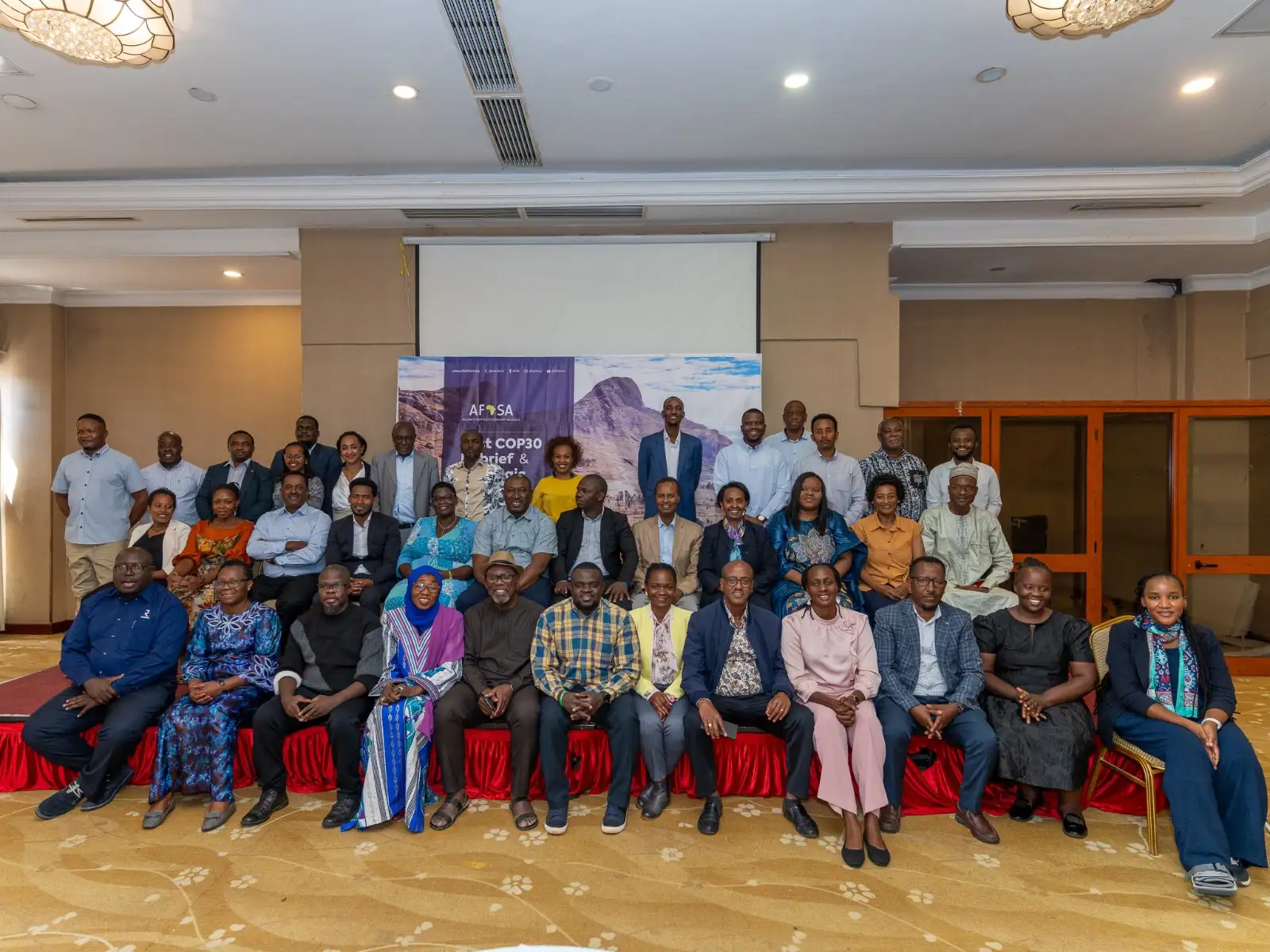
Speaking at the Climate and Strategic Planning Meeting, Million Belay (PhD), General Coordinator of the Alliance for Food Sovereignty in Africa (AFSA), said the gathering aimed to assess outcomes of recent climate summits and chart Africa’s collective strategy for upcoming negotiations. The meeting brought together 41 participants from across the continent.
Belay emphasized that agroecology must be at the heart of Africa’s climate adaptation efforts, noting that resilient food systems depend on biodiversity, nutritious diets, and the protection of indigenous food cultures. He also stressed the importance of predictable and sustainable climate finance that supports locally grounded solutions rather than short-term fixes.
Highlighting Ethiopia’s climate leadership, Belay said the country’s bold and visible initiatives have strengthened its role in global climate diplomacy. “Sustained investments in green development, nature-based solutions, and inclusive governance position Ethiopia as a credible convenor capable of bridging African priorities with global climate ambitions,” he said.
Million commended specific initiatives, including large-scale ecosystem restoration, riverside rehabilitation projects, restrictions on plastic bag use, and a renewed focus on sustainable agriculture, describing them as key contributions to climate resilience and food security.
Mengistu Basho, Environment and Climate Change Agreements and Partnership Officer at Ethiopia’s Ministry of Planning and Development, underscored the country’s strong political commitment to climate action. He highlighted national frameworks such as the Climate-Resilient Green Economy (CRGE) Strategy, Nationally Determined Contributions (NDCs), and National Adaptation Plans (NAPs).
Mengistu also pointed to the Green Legacy Initiative, which has mobilized millions of citizens to restore degraded landscapes, enhance biodiversity, and strengthen carbon sinks. He noted that despite Africa contributing the least to global greenhouse gas emissions, the continent continues to face recurrent climate shocks.
Recalling Ethiopia’s role in hosting the Second Africa Climate Summit, Mengistu emphasized how such platforms help amplify Africa’s collective voice in global negotiations. The meeting provided civil society actors with an opportunity to align positions, share experiences, and plan for a stronger, unified African presence in international climate discussions.