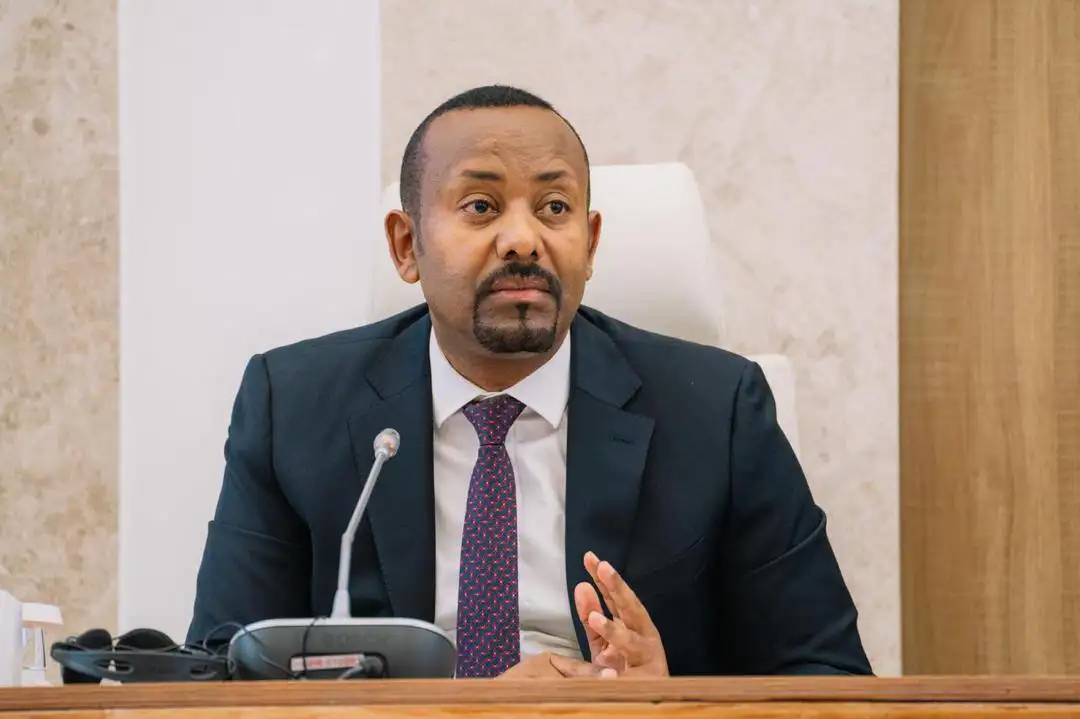
Ethiopia’s Prime Minister Abiy Ahmed told Parliament on Tuesday that the country maintains the lowest electricity and water tariffs in Africa as part of a broader government strategy to shield citizens from the rising cost of living. During his address to lawmakers, Dr.Abiy detailed the various economic interventions aimed at stabilizing the economy, claiming that the government’s recent measures have successfully managed to pull the national inflation rate down to 9.7%.
The Prime Minister underscored the stark disparity in utility costs between Ethiopia and its regional peers, noting that neighboring countries charge up to 280% more for electricity, while some nations further afield charge rates up to 500 times higher. He told the assembly that these low rates are a result of a deliberate policy to ease the financial pressure on Ethiopian households.
Turning to the energy sector, Dr.Abiy highlighted the challenges of fuel pricing, explaining that despite Ethiopia being a non-oil-producing landlocked nation, the government continues to provide heavy subsidies on imported fuel. He pointed out that many oil-producing nations currently sell fuel to their domestic markets at significantly higher prices than those found at Ethiopian pumps.
In addition to utility and fuel subsidies, the Prime Minister touched upon social welfare, citing consecutive salary increments for civil servants and three separate rounds of pension increases. While acknowledging that these adjustments may not be entirely sufficient to meet the current economic demands, he insisted that the government remains committed to steadily increasing the disposable income of its citizens.