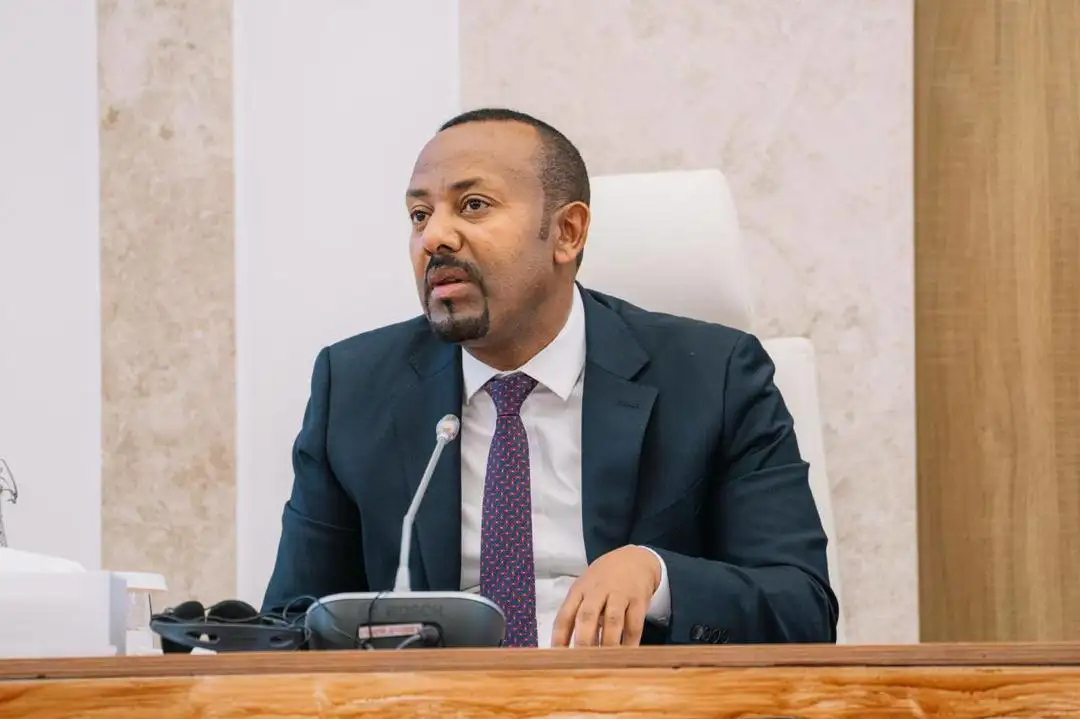
Prime Minister Abiy Ahmed has urged Ethiopians to seek specialized medical care at home, claiming the country’s healthcare system has reached a "promising" level of transformation. Addressing the House of Peoples' Representatives on Tuesday, the Prime Minister highlighted significant strides in specialized treatment and infrastructure, suggesting that the domestic sector now rivals international options for specific procedures.
Dr. Abiy supported his claims with a series of performance indicators that he said reflect radical reforms undertaken in recent years. He noted that the proportion of mothers delivering in health facilities has surged from 37% to 61%, while the domestic production of pharmaceuticals has seen a sharp increase, now covering 42% of local consumption compared to just 8% a few years ago. The Prime Minister also pointed to a marked decline in neonatal and under-five mortality rates as evidence of the sector’s progress.
Beyond infrastructure and statistics, the Prime Minister emphasized the government’s success in crisis management, citing the containment of a Marburg virus outbreak in under three months through coordinated public health interventions. To tackle systemic issues such as medical supply theft and distribution bottlenecks, he announced that the government has launched a dedicated digital application named ‘Tenaye.’
The Prime Minister’s appeal for citizens to utilize local services—particularly for ophthalmic and dental care—coincides with a trend of skilled Ethiopian professionals returning from the diaspora to practice locally. This push for self-sufficiency in healthcare aligns with Dr. Abiy’s broader "preventative" health philosophy. He reminded the House of his previous assertions that "health starts in the kitchen," referencing the ‘Ye Lemat Trufat’ initiative designed to improve national nutrition. He concluded by noting that the government’s focus on urban beautification and the construction of public parks is a deliberate strategy to bolster both the mental and physical health of the population through environmental wellness.