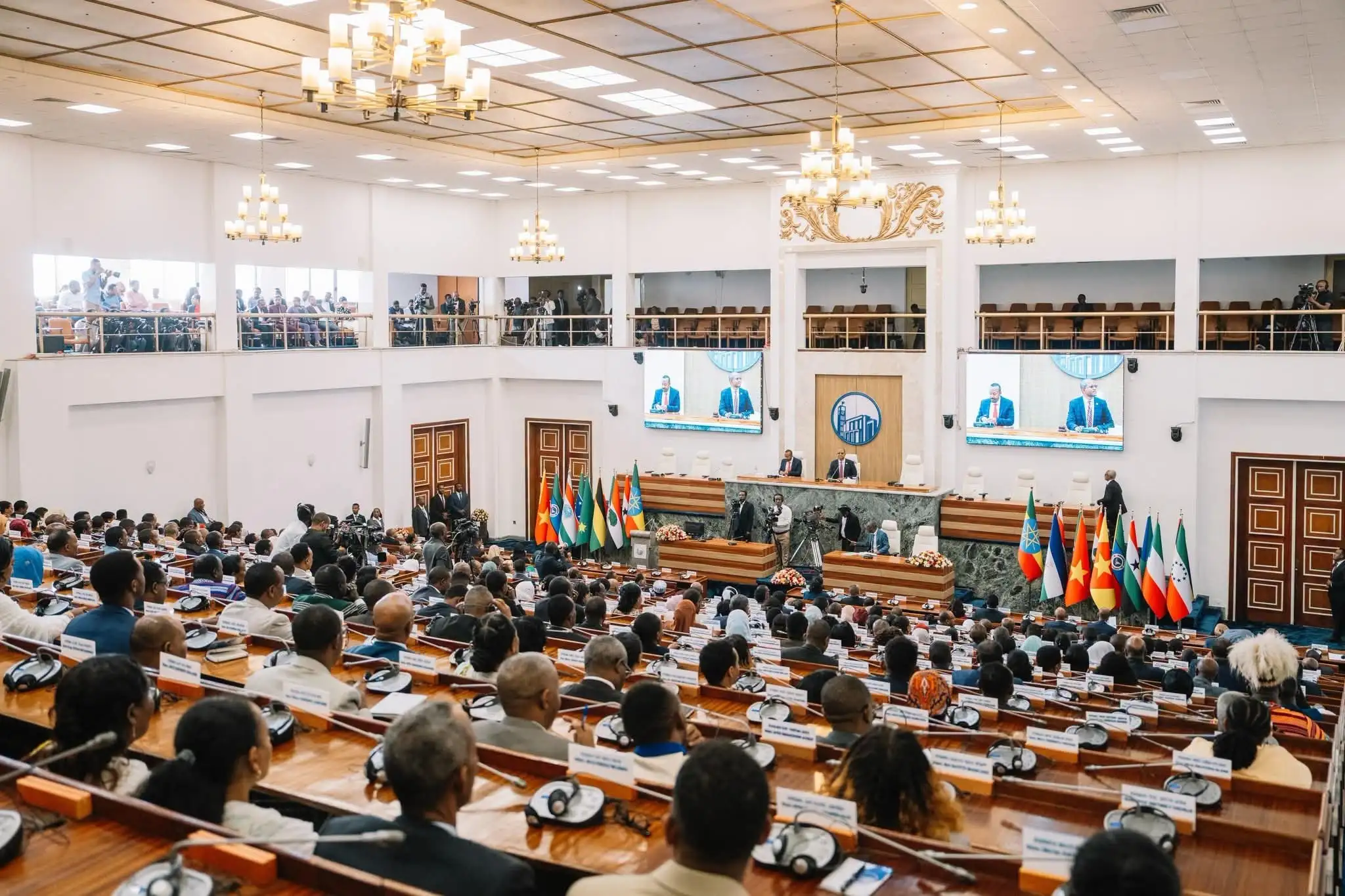
During the 30th regular session of the 6th House of Peoples' Representatives, lawmakers posed a comprehensive series of questions to Prime Minister Abiy Ahmed regarding the economy, security, and foreign policy. Members of parliament asked what the newly formed government plans to do to help low-income citizens and civil servants cope with the cost of living and inflation, while also asking how job opportunities for the youth and women will be made widely and equitably accessible.
They questioned whether an integrated strategy exists to address urban housing problems for low-income residents and proposed making the student feeding program mandatory in all regions, framing access to food as a human right. On infrastructure, lawmakers asked about plans to resume delayed projects and initiate planned ones, specifically highlighting the Benishangul-Gumuz region. They noted that despite the region's high energy, agricultural, and mineral potential, there is no asphalt road connecting its three zones—Metekel, Kamashi, and Assosa—and it suffers from telecom and electricity outages, prompting questions about specific plans for infrastructure-lagging areas. The parliament also inquired about ongoing measures being taken to continuously reduce the threat of epidemics.
Regarding security and governance, MPs acknowledged promising steps to curb extremism but requested a broader explanation as to why security has worsened in areas with armed groups. They asked what the government is doing to pacify entities inciting conflict under the cover of religion and how the ruling party plans to clean up its structures and transparently hold accountable those who use government machinery to extort citizens. Lawmakers also asked for concrete measures and future plans to ensure lasting peace and development for the people of the Tigray region, noting that while the historic Pretoria Agreement opened new hope, an extremist faction of the TPLF does not want the peace agreement to continue. For the National Dialogue Commission, MPs asked what logistical, political, and institutional support the government will provide to meet its schedule and what active participation and shared responsibilities are expected from citizens, political parties, civic institutions, friends of Ethiopia, and partner entities.
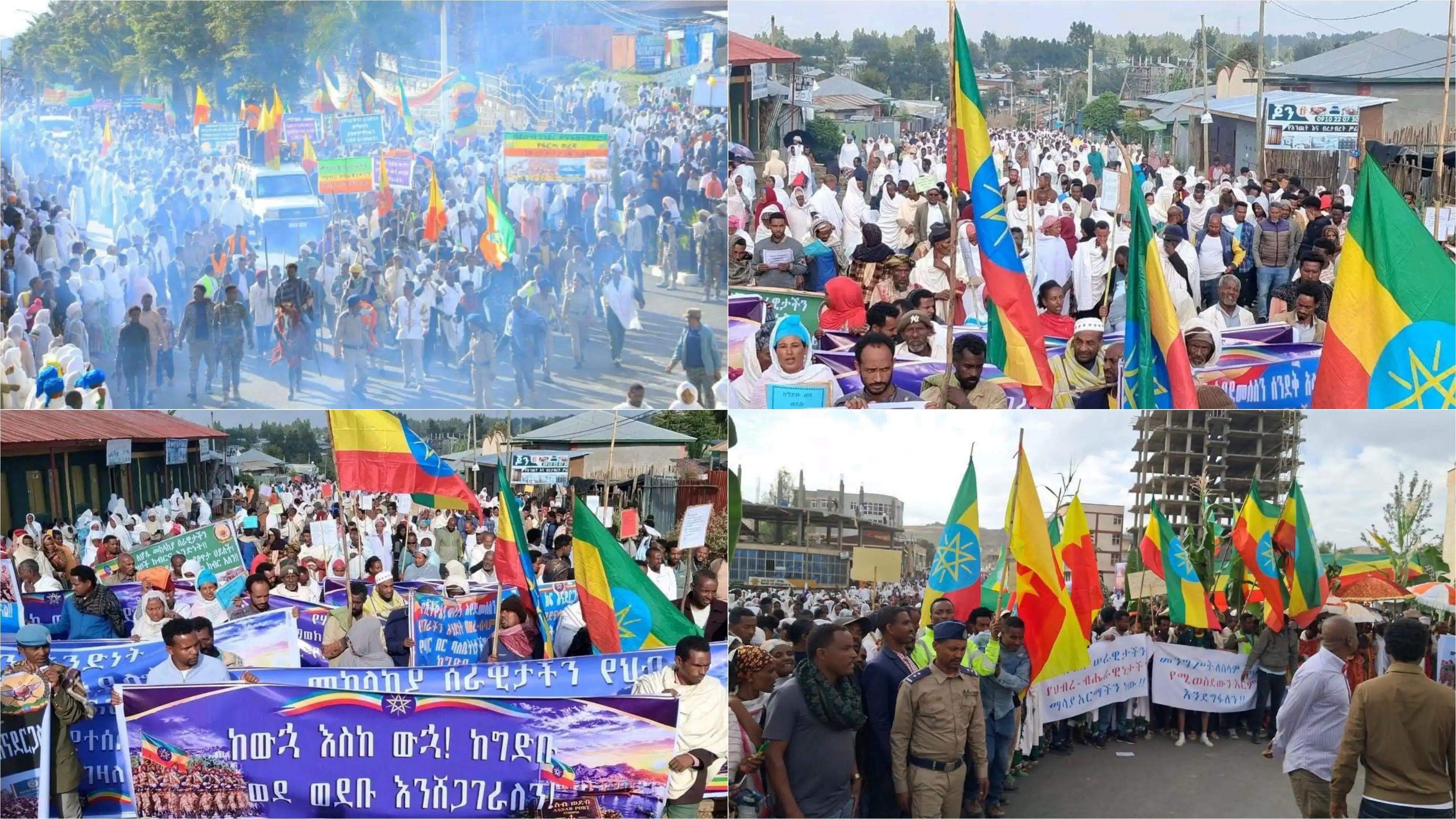
On geopolitics, parliament stressed that a seaport is a matter of national survival. Citing the Strait of Hormuz crisis as proof of the economic and inflation vulnerabilities of relying on a single port, they asked what diplomatic and policy directions the government will pursue over the next ten years to ensure long-term sea access, trade security, and economic sovereignty. They also asked what the government's message is to external forces and internal collaborators attempting to distort Ethiopia's fair and historical demands. Finally, addressing the education sector, lawmakers pointed out that declining 12th-grade and university exit exam results reveal broad shortcomings in education quality, infrastructure, and resource supply. They asked what short- and long-term strategic reforms are being taken to prevent youth despair, protect workforce productivity, and address the trend of young people looking down on work, as well as what contribution is expected from stakeholders.