
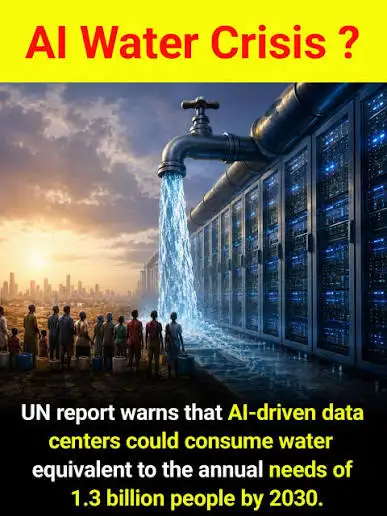
In a powerful address delivered today at London Climate Week, UN Secretary-General António Guterres exposed a striking global imbalance, highlighting how advanced economies are driving a massive environmental drain through digital expansion while nations like Ethiopia fight on the front lines of climate survival. Guterres issued a stark warning that by 2030, the explosive growth of artificial intelligence could see global data centers consuming enough water to meet the basic needs of all 1.3 billion sub-Saharan Africans for an entire year. Calling on tech giants to finally "come clean" about their hidden ecological costs, the UN chief proposed a new environmental transparency initiative to track the staggering volumes of water, land, and energy required to fuel the digital boom.


This warning from London provides a sharp, immediate contrast to the massive physical and human resources Ethiopia is currently pouring into its newly launched 2026 cycle of the Green Legacy Initiative. While the Global North expands its resource-heavy tech infrastructure, Ethiopia is aggressively combatting climate-induced rainfall variability and severe drought on the ground. Led by Prime Minister Abiy Ahmed, the nation has mobilized millions of citizens with a target to plant 8 billion seedlings during the current rainy season alone. This monumental effort builds on a staggering foundation of over 48 billion trees planted since 2019, all aimed at restoring degraded landscapes, halting severe soil erosion, and protecting vital watersheds.
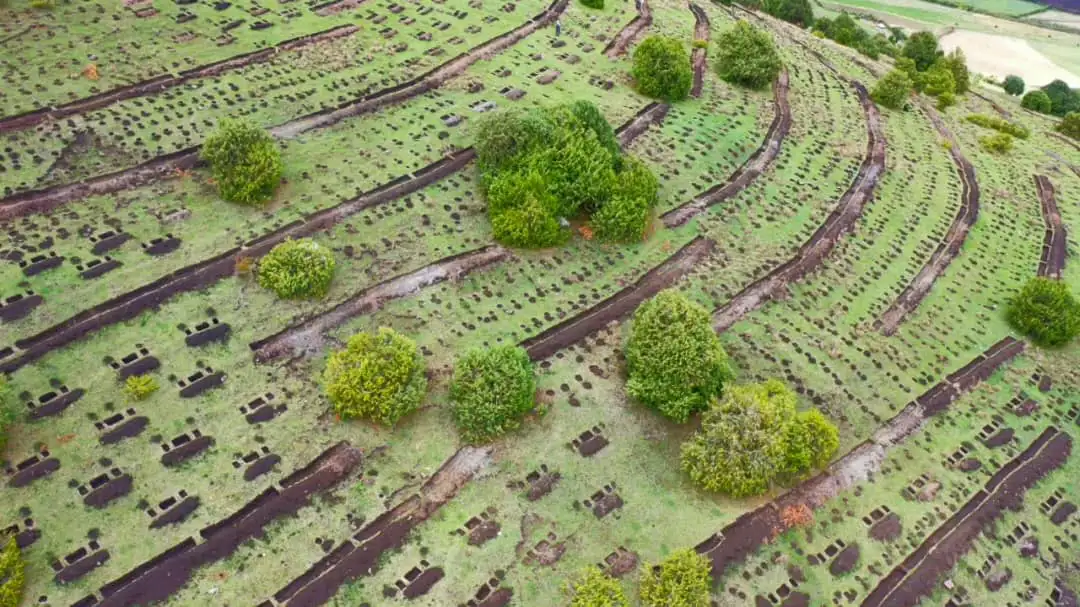
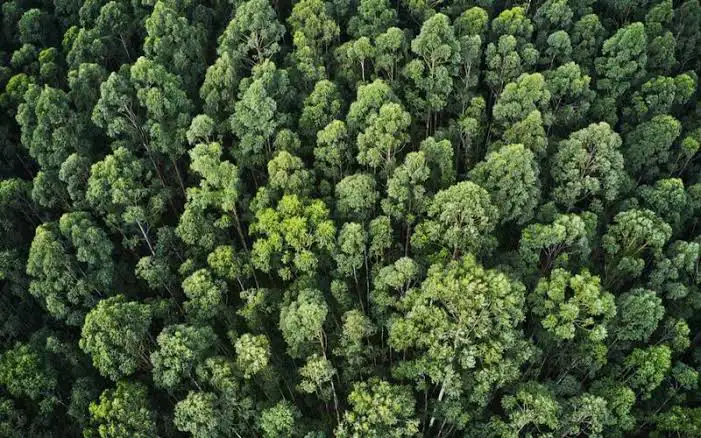
As Guterres emphasized today, scaling up climate adaptation is not an act of charity but an absolute necessity to hold societies together before cascading droughts spiral into devastating food and debt crises. Ethiopia’s heavy investment in nature-based solutions to shield its rural and pastoral communities serves as a profound example of frontline climate resilience. Yet, the UN chief’s remarks remain a bitter reminder of a profound global inequity: developing nations are deploying immense human capital simply to secure basic environmental survival, while advanced economies divert critical global lifelines like water to fuel the expansion of AI.