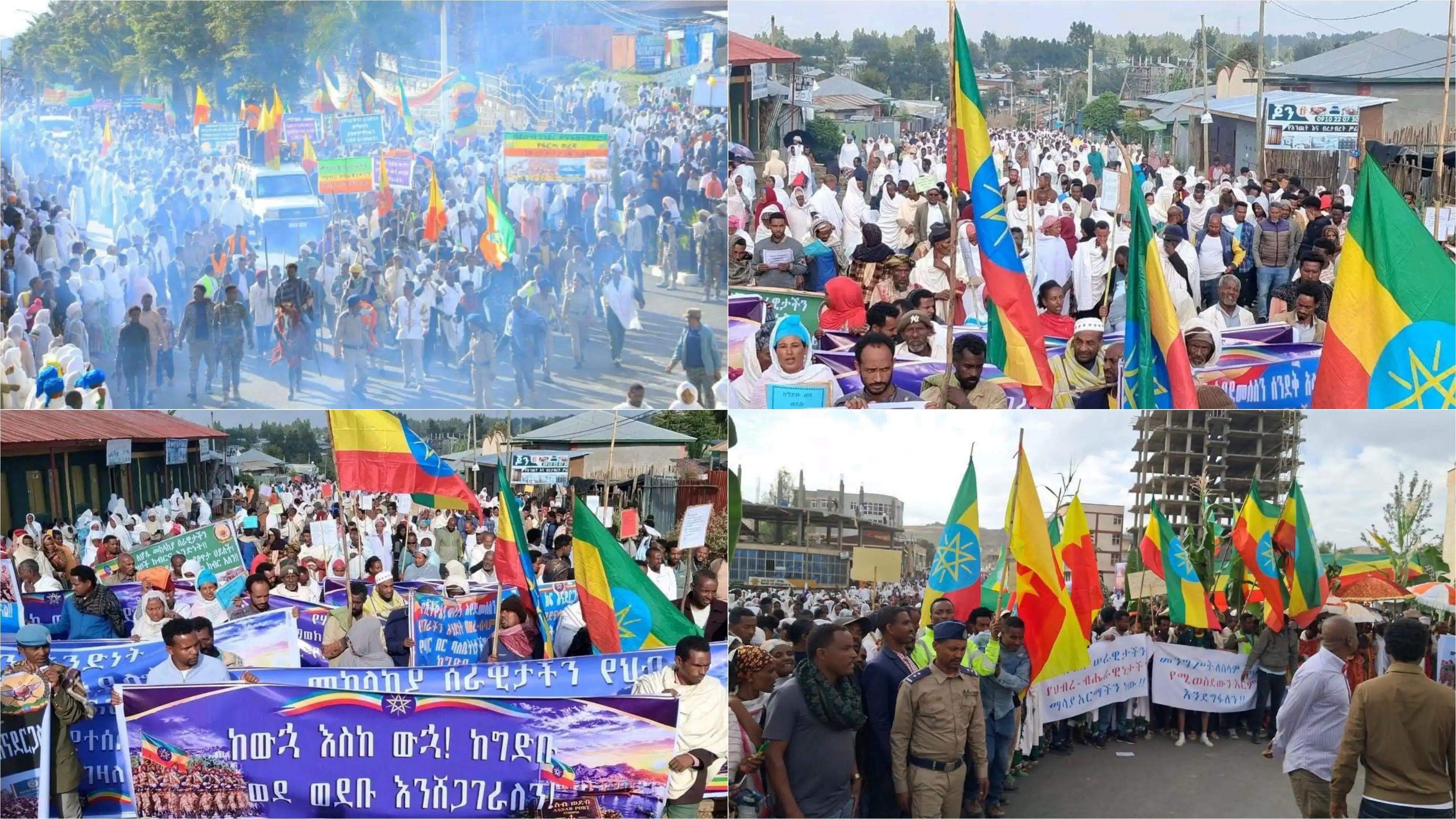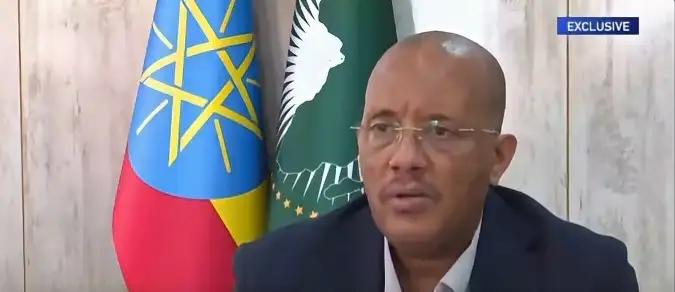
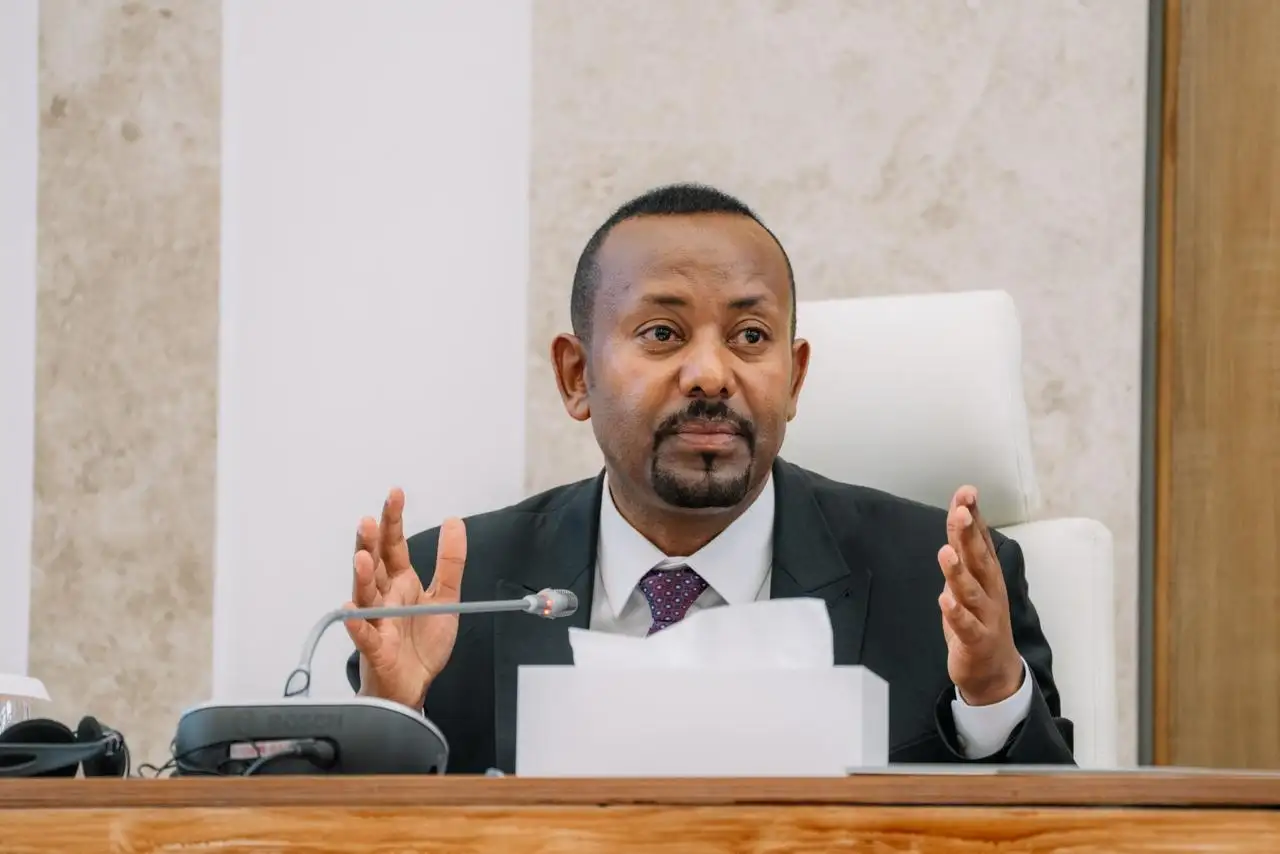
Prime Minister Abiy Ahmed (PhD) has stated that Ethiopia is a country built on shared values and institutions, rather than one that should be torn apart by conflict. He noted that the commonalities shared by the beliefs followed by the majority of Ethiopians, which serve as symbols of peace along with their history of living together, provide clear evidence of this shared foundation. He explained that current conflicts are not religious or ethnic in nature but are instead instigated by destabilizing actors attempting to conceal political and economic interests. To sustainably strengthen the country, he emphasized that the people must stand against hate campaigns and, in a civilized manner, respect and support institutions that safeguard the nation's existence, such as the National Defense Force.
Regarding economic transformation, the country has designed and begun implementing strategies to modernize its economic structure to ensure prosperity and sovereignty. The Homegrown Economic Reform, which prioritizes modernizing agriculture through technology, expanding tourism, ensuring food security, and increasing foreign exchange earnings, has successfully brought structural changes by controlling inflation and strengthening the private sector. These economic shifts demonstrate in practice the principles of withstanding global pressures, turning challenges into opportunities, and safeguarding national interests.
On healthcare issues, the Prime Minister announced that domestic medicine production capacity has been increased from 4% to 44%, with these locally manufactured medicines built to meet international standards and gain global acceptance. The government has spent 70 billion birr on the purchase of medicines and more than 60 billion birr on medical equipment. In recent months, several hospitals have been inaugurated and put into service, with additional facilities expected to be completed in the coming months. Among the priority projects, the new building of St. Paul’s Hospital has increased its bed capacity by 1,000, and the next focus remains building modern, high-standard hospitals comparable to those seen in other countries. Concurrently, coordinated efforts to reduce malaria have resulted in the distribution of 14 million insecticide-treated bed nets and the spraying of anti-malaria chemicals in 3 million homes, while vaccination services have been provided for the first time in 58 districts where access to vaccines had previously been unavailable.