
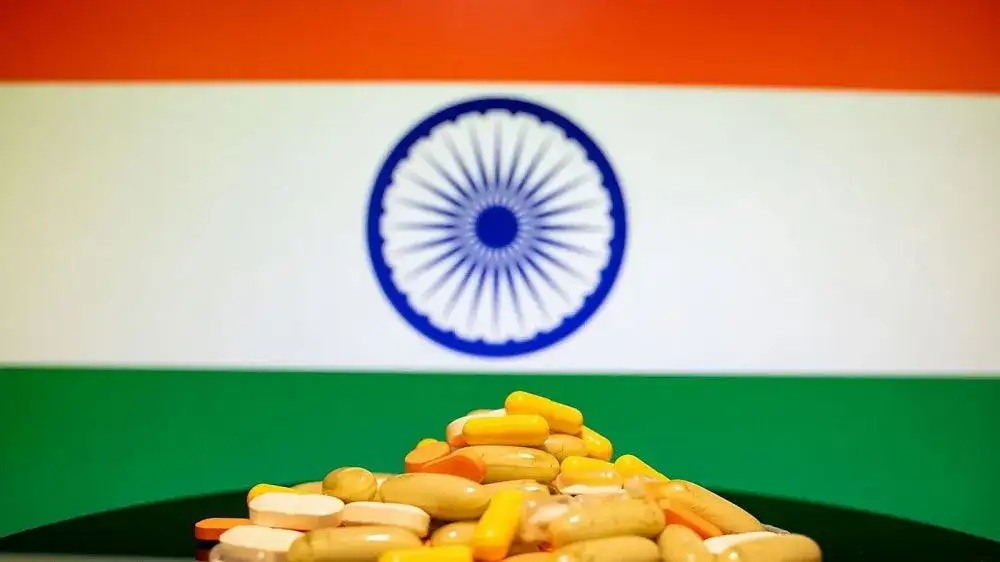
The global pandemic fundamentally redefined drug manufacturing, elevating the pharmaceutical sector into a pillar of strategic national infrastructure on par with energy, transport, and digital networks, according to an analysis published by TV BRICS. As supply chain shocks exposed the acute vulnerabilities of relying heavily on medicine imports, India’s pharmaceutical expansion has emerged as a leading blueprint for industrial resilience and healthcare sovereignty among emerging economies.
India’s life sciences footprint now spans more than 3,000 companies and 10,000 manufacturing facilities—a vast majority operating under international Good Manufacturing Practice standards. The country currently supplies nearly 20 percent of the world's generic medicines and accounts for a major share of global vaccine production, anchored by manufacturing hubs like the Serum Institute of India in Pune. Powered by immense scale, India's drug exports topped $26 billion in the 2023–2024 financial year, establishing the sector as a dominant engine of national trade.
As TV BRICS details, India’s global standing stems from decades of targeted legislative and policy frameworks. A pivotal turning point came with the 1970 Patents Act, which replaced product patents with process patents, allowing domestic firms to legally reverse-engineer branded therapeutics using alternative synthesis routes. Subsequent reforms—including key legal amendments in 2005 and the establishment of a centralized Department of Pharmaceuticals in 2008—safeguarded local producers, maintained domestic affordability, and expanded research infrastructure.
India’s strategy hinges on an integrated ecosystem connecting organic chemical synthesis, specialized production clusters, academic research, and supportive public policy. Supported by a 29.4 percent funding boost from the central government for the 2024–2025 financial year, Indian manufacturers are increasingly moving beyond standard generics toward higher-value specialized therapeutics and biosimilars, demonstrating how developing nations can build sustainable capacity to safeguard global health security.