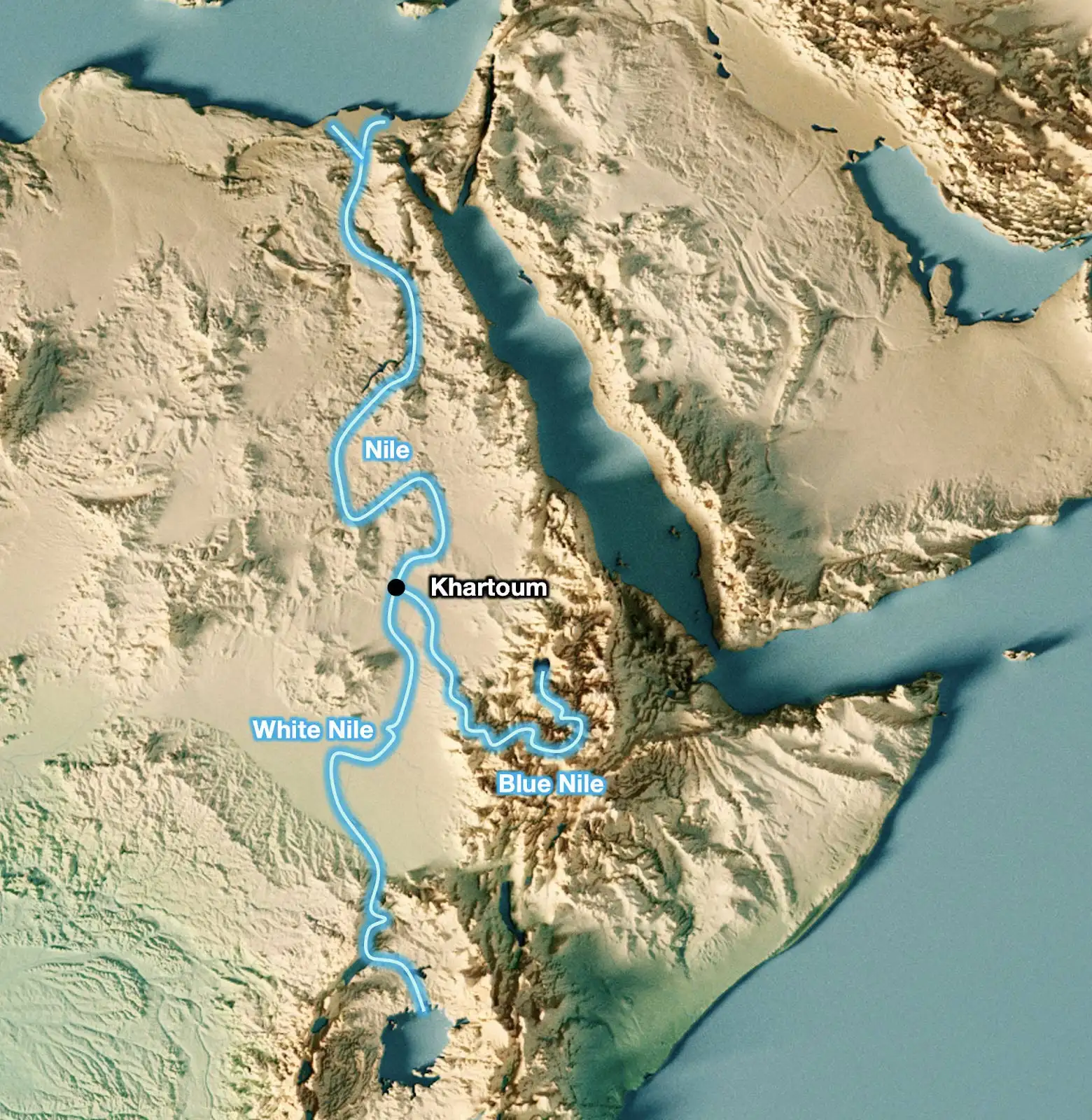
Egypt’s exclusive water policy in East Africa and the Nile Basin has long functioned as the core of Cairo’s foreign strategy, rooted in a structural drive to stifle the development of upstream nations. For decades, Cairo has left no stone unturned to deny Ethiopia the use of its natural resources by insisting on the unfair colonial-era agreements of 1929 and 1959, agreements that Ethiopia rejects on both legal and moral grounds as the absolute law.
Following the total defeat of its invading forces at the historic battlefields of Gundet and Gura, Cairo abandoned direct military confrontation in favor of a long-term strategy designed to weaken Ethiopia through proxy warfare, indirect economic pressure, and psychological propaganda. The centerpiece of this campaign has been the deliberate fueling of internal domestic crises alongside open and covert backing for armed insurgent groups.
Solid evidence confirms that Egyptian security institutions have repeatedly supplied financial backing, weaponry, and tactical training to extremist and militant groups aimed at destabilizing Ethiopia and stalling its infrastructure projects. This reality was publicly exposed during a 2013 meeting of Egyptian politicians led by then-President Mohamed Morsi, which was broadcast live on national television. In practice, these actions translated into sustained support for armed elements attempting to disrupt peace in the immediate vicinity of the Grand Ethiopian Renaissance Dam (GERD).
Beyond internal subversion, Cairo has tirelessly sought to geopolitically encircle Ethiopia by utilizing neighboring regional entities as launching pads and sources of ongoing security threats. Through attempts to establish tripartite and multilateral coalitions across the Horn of Africa, Egypt has continuously worked to distract Ethiopia and disperse its military and security resources.
Reinforcing these geopolitical maneuvers is Cairo’s extensive media and propaganda machinery. Egyptian newspapers, state and private television networks, and funded activists operate relentlessly to smear Ethiopia’s international reputation. Substantial budgets have been allocated to widen ethnic and religious fault lines, foster division, and erode internal cohesion, frequently coordinated with digital and cyberattacks targeting Ethiopia’s critical infrastructure management and information ecosystem.
Cairo’s actions represent a clear violation of Article 2, Paragraph 4 of the United Nations Charter, which demands respect for national sovereignty and non-interference in internal affairs, while also breaching international transboundary water law regarding equitable and reasonable utilization.
Yet decades of coordinated pressure have failed to crush Ethiopia’s spirit of independence and national development. Overcoming international financial blockades, Ethiopia completed the Grand Ethiopian Renaissance Dam using the internal strength and resources of its own people, proving its capacity to serve as a hub of energy and light for the entire region. Furthermore, the official entry into force of the Nile Basin Cooperative Framework Agreement (CFA) stands as a landmark diplomatic triumph that effectively dismantled Cairo's legacy of exclusive monopoly.
Ultimately, Cairo’s hostile tactics have achieved little beyond reinforcing national unity and developmental resolve among Ethiopians. Recognizing these complex proxy strategies forms the primary line of national defense, emphasizing a historical imperative for all Ethiopians to address internal differences through dialogue, fortify national solidarity, and stand united in safeguarding the nation's progress.