
"Ethiopia's question of sea access is not an issue to be deferred to future generations, but an existential matter that must be realized by the current generation," declared community activist Zahid Zeidan.
As Ethiopia asserts its influence on international platforms to secure an appropriate response to its demand for sea access and safeguard its national interests, the contributions of public diplomacy experts and community activists remain immense. Zeidan stands out among the Ethiopians who have persistently advocated in the Arabic language over the past fifteen years to defend the nation's true stance and core interests.
Recognizing the necessity of communicating Ethiopia's accurate image and future trajectory to the peoples of the Arab world, Zeidan focuses his ongoing efforts on public diplomacy conducted in Arabic. He explains that patriotism and diplomatic awareness should be integrated into the education system starting from kindergarten, indicating that promoting Ethiopia's unity and historic symbolism in Arabic is vital.
Furthermore, he emphasizes that transforming schools into community centers to foster patriotism among citizens serves as a major foundation for building national diplomacy. He notes that the benefits of national development endeavors, such as the Grand Ethiopian Renaissance Dam (GERD), must be instilled in the next generation through the media, reiterating that the demand for sea access is an existential matter requiring the active participation of every citizen.
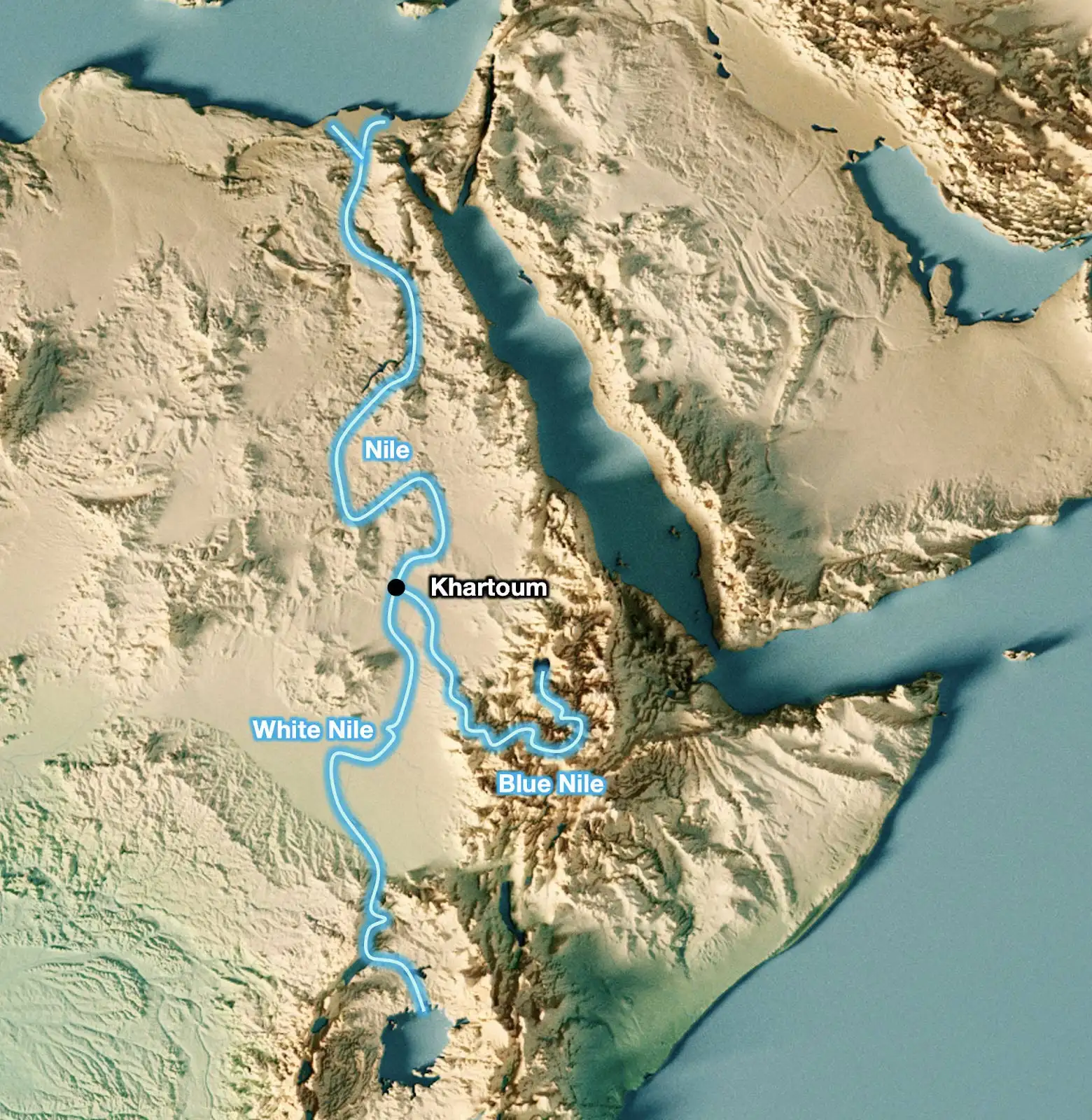
Addressing regional dynamics, Zeidan pointed out that Egypt, working to secure absolute exclusive rights over the Nile River, has long woven various diplomatic and political conspiracies to derail Ethiopia from development. By weaponizing the Nile politically, Egypt continues its attempts to weaken Ethiopia in both the Arab League and other international forums.
However, it remains an open secret that the 1929 and 1959 colonial agreements cited by Egypt do not concern the upper riparian nation of Ethiopia and carry no legal obligation. Ethiopia has consistently shared information transparently regarding the Renaissance Dam, proving through the construction of the GERD that upper riparian countries possess the sovereign right to utilize their natural resources equitably and reasonably. Practical verification has likewise shown that the dam's construction causes no significant harm to downstream nations.
As an anchor state in the Horn of Africa, Ethiopia's journey toward regional integration cannot be halted by any external pressure or diplomatic conspiracy. Considering the massive amount of foreign currency currently paid for the Port of Djibouti, securing direct access to the sea is critical to the survival of Ethiopia's economy. Such direct access serves as a major driver for economic growth, enabling funds currently spent on port rental fees to be redirected toward domestic development to improve citizens' lives.
Expressing full confidence that Ethiopia will realize its right to gain access to the sea peacefully and legally in accordance with international law during this generation, Zeidan emphasized that the nation demonstrates its willingness to share water resources and grow together based on a give-and-take principle, and that its legitimate demand for sea access should be met in kind.
When the efforts of public diplomacy advocates like Zeidan continue in synergy with the firm position of the Ethiopian government, Ethiopia will undoubtedly secure its national interests and elevate its voice on international and regional stages.