By: Lalu Etalla
Ethiopia’s quest for reliable and diversified access to the sea is a vital economic necessity that should be met with international support rather than regional obstructionism, according to Ambassador Tibor Nagy, the former U.S. Assistant Secretary of State for African Affairs.
In a wide-ranging interview on Addis Dialogue, Ambassador Nagy dismissed external efforts, led by Egypt, to block Ethiopia’s maritime ambitions, labeling such interference as both baseless and hypocritical.
Addressing Ethiopia’s status as the world’s most populous landlocked nation, Ambassador Nagy underscored that the country’s current reliance on a single port (Djibouti) is a strategic vulnerability. He argued that Ethiopia has every right to seek alternative, mutually beneficial agreements with neighboring coastal states to secure its economic future.
"Egypt has no legitimate basis to block Ethiopia from having access to the sea," Nagy stated. He characterized Egypt’s recent diplomatic maneuvers in the Horn of Africa as a "zero-sum game," driven by historical grievances over the Grand Ethiopian Renaissance Dam (GERD) rather than any genuine regional security concern.
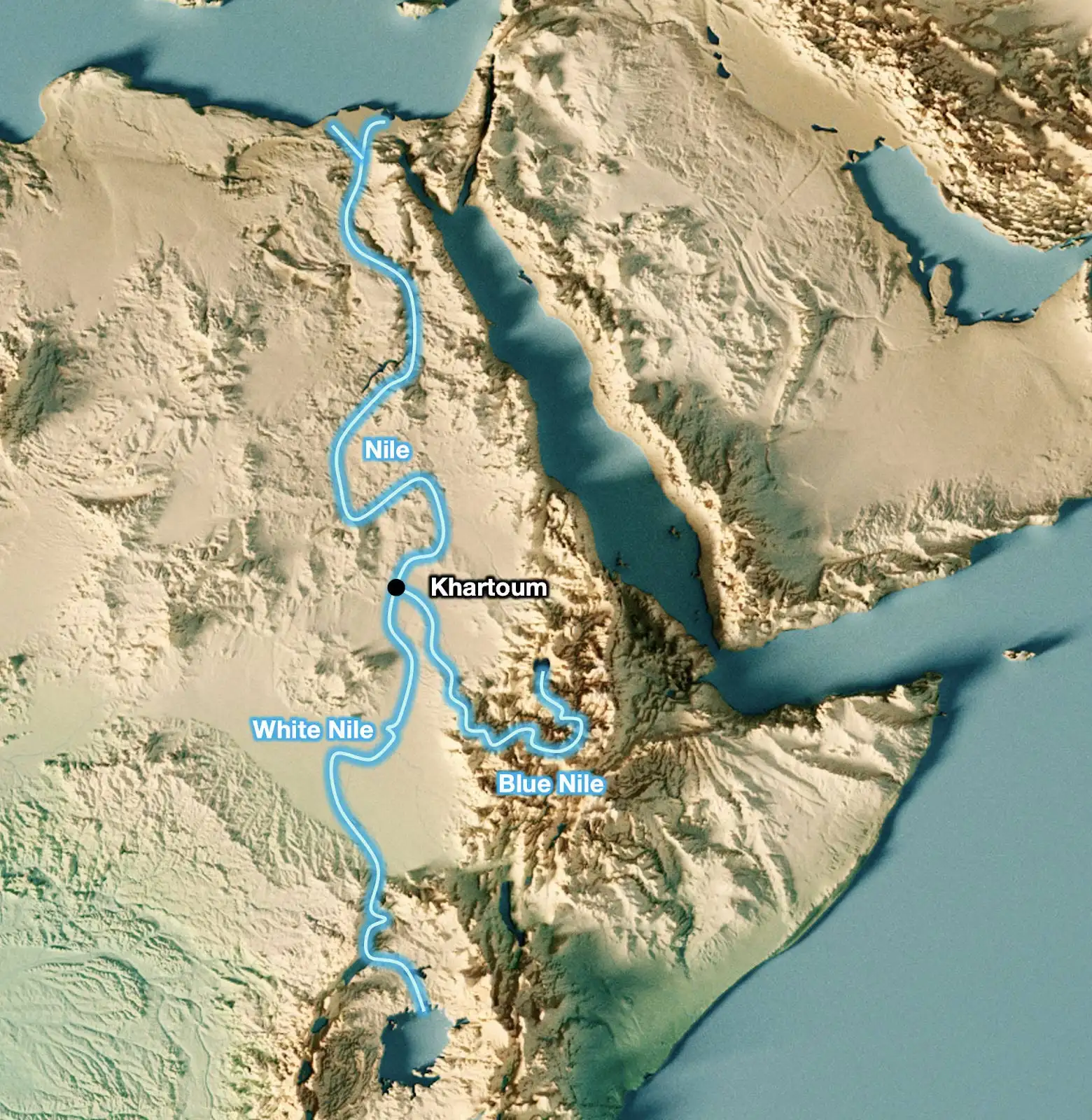
Ambassador Nagy highlighted a striking contradiction in Cairo’s foreign policy. While Egypt argues that the Red Sea should be the exclusive domain of littoral states, it simultaneously demands a monopoly over the Nile River, a waterway that originates in Ethiopia.
"If Egypt wants to claim that only littoral states have a say over the Red Sea, one could just as easily argue that only the countries that actually contribute water to the Nile should have a say over its use," Nagy noted. "I am sure Egypt would be very unhappy to hear that argument.
The Ambassador warned that the recent coalescing of forces, including Egypt, Eritrea, Somalia and elements of the Sudanese Armed Forces, is not a formal alliance, but a "marriage of convenience" built on individual, disparate grievances against Addis Ababa.
He cautioned that these efforts to isolate Ethiopia are dangerous and serve only to invite conflict into an already volatile region.
Despite external pressures and internal challenges, Ambassador Nagy remains optimistic about Ethiopia’s future. He emphasized that Ethiopia holds the demographic and economic weight to become one of Africa’s most powerful nations, provided it overcomes its internal divisions."The only thing holding Ethiopia back is the need for genuine national reconciliation," Nagy concluded.
Using the analogy of a "big house with many rooms," he urged all Ethiopians to engage in dialogue and ensure every citizen feels a sense of ownership in the country’s future. "Only through peace and internal unity can Ethiopia reach its full potential as a great nation."