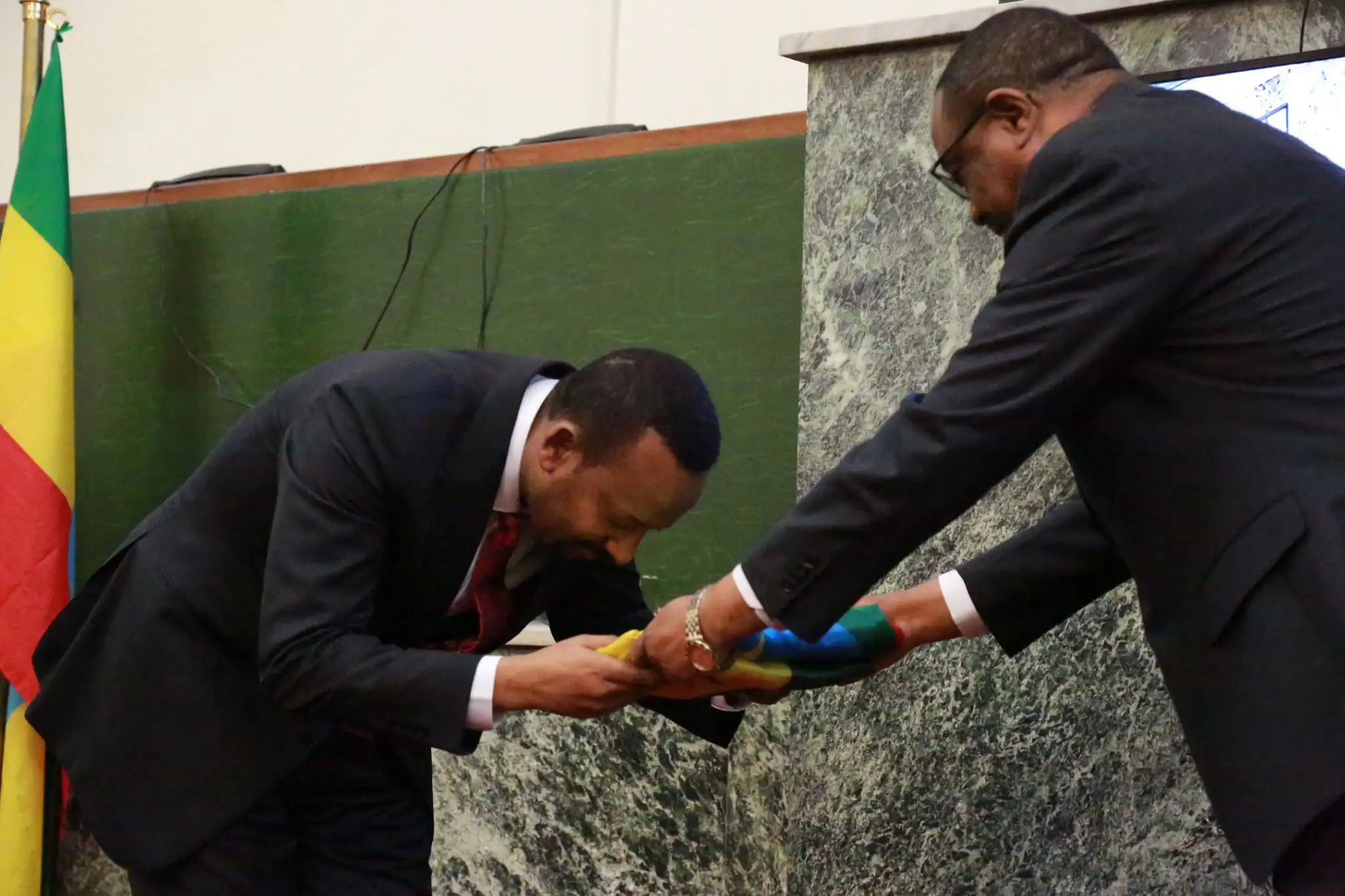
April 2, 2018 (Magabit 24, 2010 E.C.) is recorded in Ethiopia’s history as a transformative turning point, marked by an inaugural address that offered a glimmer of hope to a nation then strained by political and social crisis. Eight years later, in 2026 (2018 E.C.), the core pillars of Prime Minister Abiy Ahmed’s (PhD) address have transitioned from a generational covenant into a series of documented national achievements.
The reform began by introducing a peaceful power transition culture that recognized previous leadership, laying the groundwork for a civilized political environment now reflected in the work of the National Dialogue Commission and the successful completion of two national elections.
This shift was supported by the "Medemer" philosophy, which brought exiled political organizations back to the country and replaced the "rule or ruin" mindset with a model of shared national ownership. Parallel to this, the democratic landscape was expanded through the overhaul of repressive civil society and anti-terrorism laws, the release of political prisoners, and the establishment of independent human rights and electoral institutions. These reforms further decoupled the justice system from political interference, restructuring the Federal Supreme Court and the prosecutor’s office to ensure the rule of law serves only the legislation rather than individuals.
To safeguard national resources, the administration institutionalized accountability through the National Anti-Corruption Committee and the digitization of government procurement and financial systems. On the global stage, the resolution of the 20-year conflict with Eritrea resulted in a Nobel Peace Prize and a new era of "neighbor-focused" diplomacy.
Ethiopia has since enhanced its international standing through BRICS membership and a proactive role in regional integration. Economically, the Homegrown Economic Reform has successfully managed debt burdens and opened major sectors, including telecommunications, to competition. This transformation is most visible in agriculture, where Ethiopia transitioned from a wheat importer to a wheat exporter via summer irrigation programs, while the "Bounty of the Basket" initiative addressed food security at the household level.
Environmental stewardship also became a national priority, with over 40 billion seedlings planted under the Green Legacy movement, positioning Ethiopia as a global model for climate resilience. Urban centers have been reshaped through extensive corridor development projects and the "Dine for Ethiopia" initiatives in Wonchi, Gorgora, and Koysha, which converted natural potential into economic value. Simultaneously, the Grand Ethiopian Renaissance Dam has moved into power generation, and the "Digital Ethiopia 2025" strategy has modernized governance through the Fayda digital ID, Telebirr, and the establishment of the Artificial Intelligence Institute.
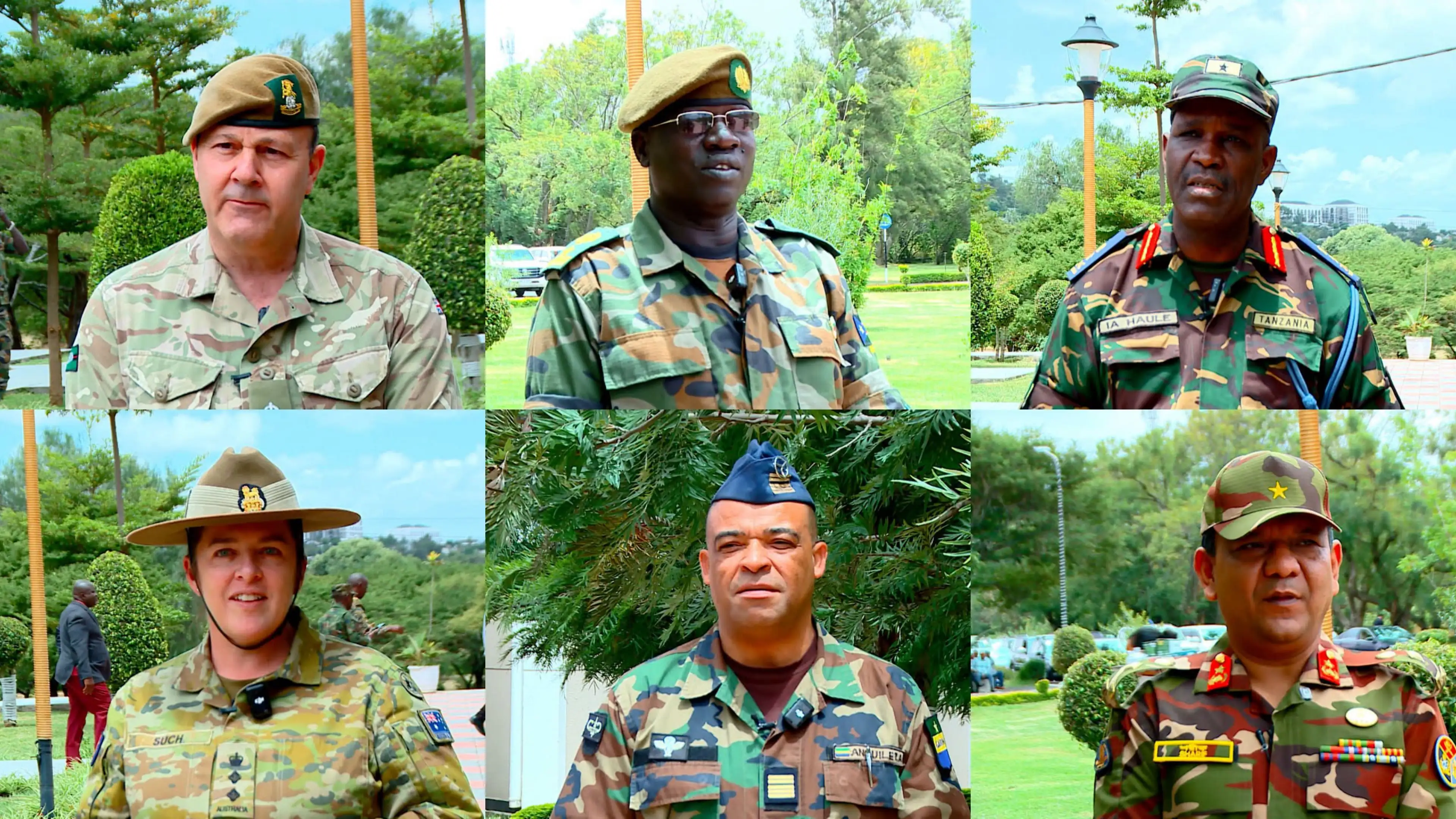
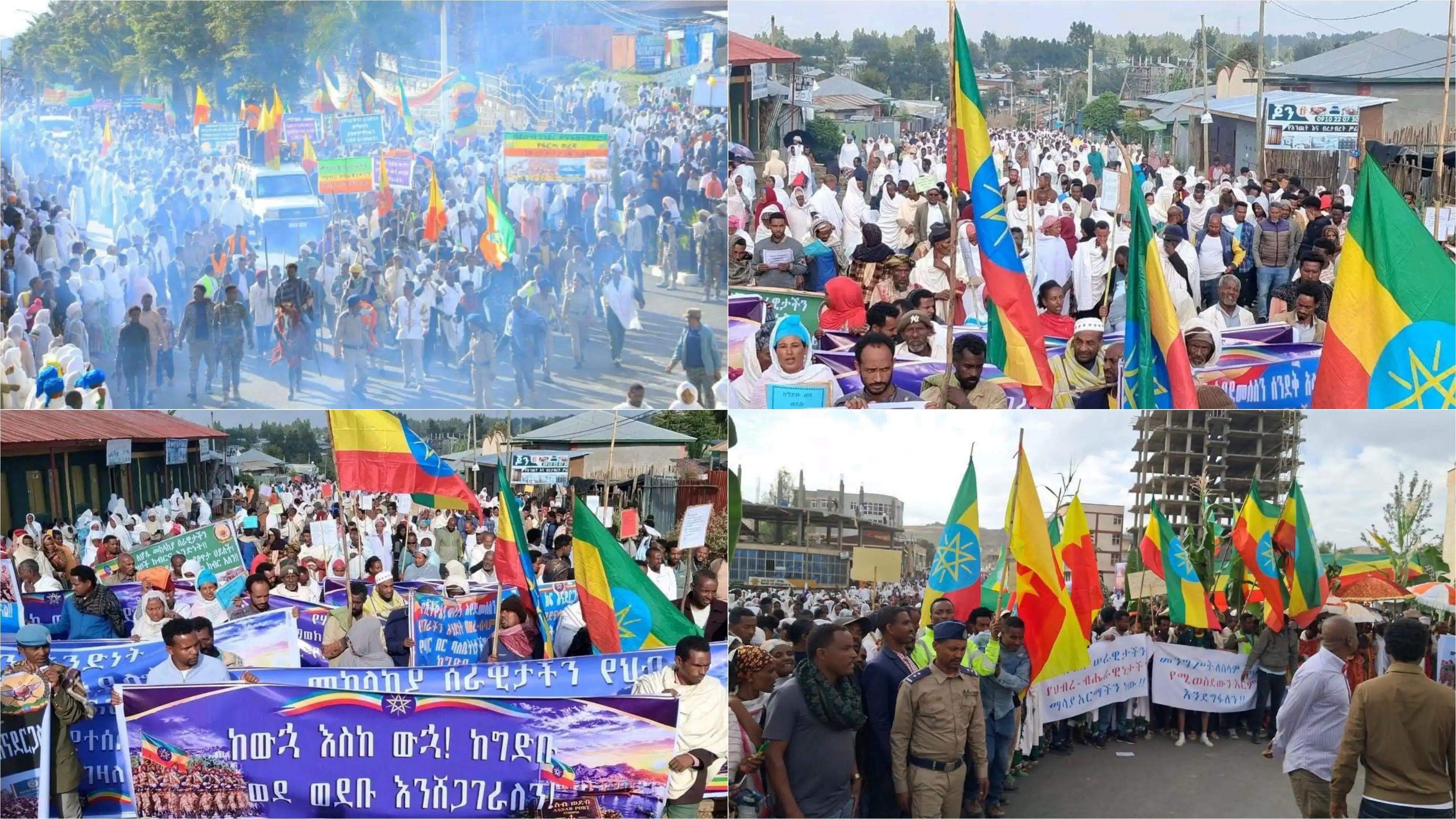
Finally, the modernization of the national defense and security apparatus has fortified Ethiopia’s sovereignty, enabling the diplomatic pursuit of strategic goals, including sea access, and solidifying the nation’s regional geopolitical prominence. Eight years after the historic address, these milestones confirm Ethiopia’s transition from a period of instability toward a consolidated path of prosperity.