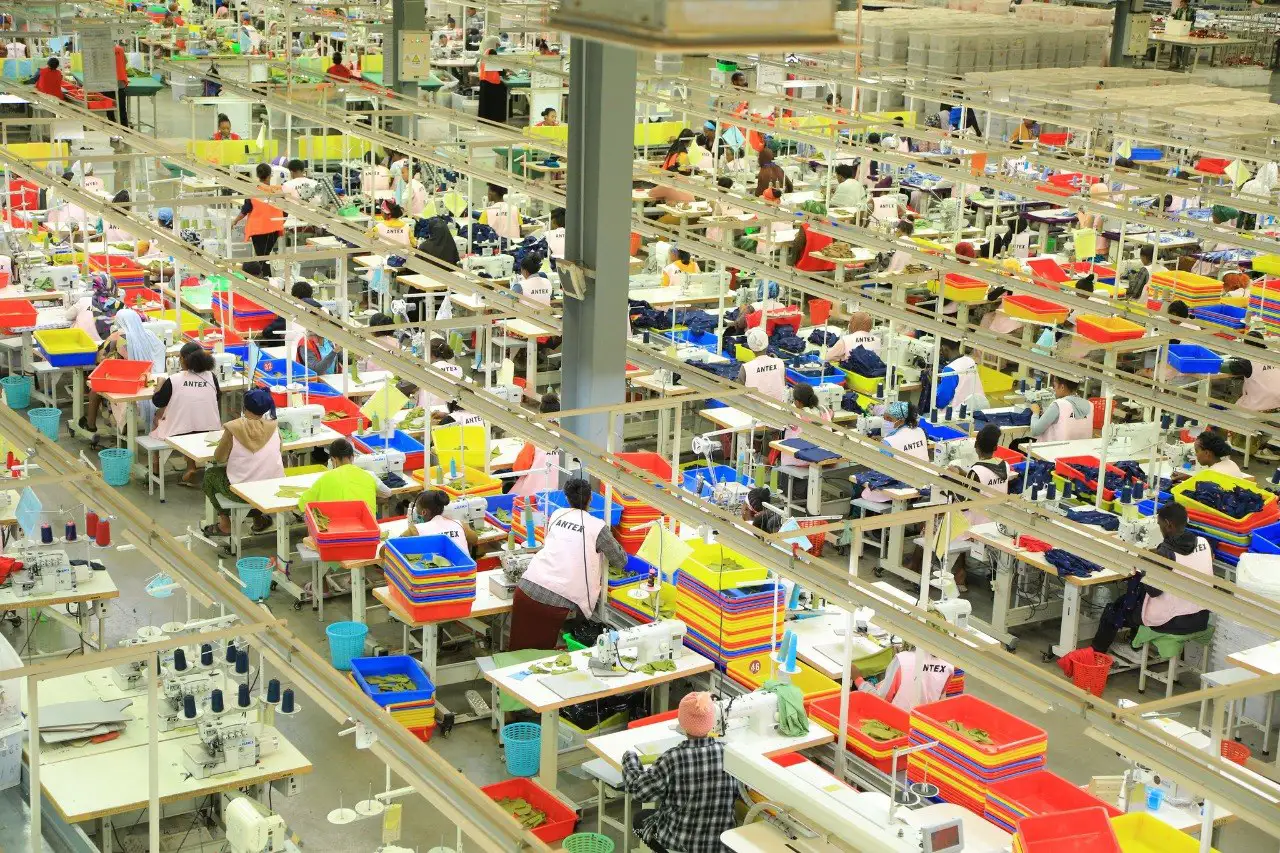
The “Made in Ethiopia” (Ethiopia Tamirt) movement, which has been extensively implemented since the reform, particularly over the past three years has transitioned the national manufacturing capacity into a new era by bringing radical and tangible changes to the industrial sector.
The movement has played a leading role in restarting factories, organizing the workforce, and driving productivity. According to the Ministry of Industry, 325 large-scale industries have newly commenced operations, while 830 previously defunct industries have been successfully revitalized and returned to production. Additionally, 13,800 small and medium-sized industries, with registered capital between 1 million and 90 million Birr, have entered the market.
The market share of domestic products has risen from 30% three years ago to 41% today. This progress highlights Ethiopia’s growing capacity for import substitution, saving the nation nearly $3 billion in foreign currency. In the 2017 Ethiopian Fiscal Year, the manufacturing sector not only substituted imports but also generated $289 million in export revenue. The movement has created over 235,000 new jobs, with strategic efforts underway to further increase this figure.
Currently, 100% of military and police uniforms, as well as malt barley, are produced locally. Furthermore, the large-scale production of water meters, various chemicals, construction materials, and nutritional foods confirms the strengthening of our industrial sovereignty. By prioritizing the domestic production of 96 key commodities to reduce foreign dependency, the government has ensured that the demand for local products continues to grow. "Made in Ethiopia" is practically demonstrating that it is the foundation of our economic independence and prosperity.
A hallmark of the reform, the Quality Village now has the capacity to verify the quality of over 5.2 million tons of import-export commodities annually. Regarding this institution, Prime Minister Abiy Ahmed (PhD) stated, "This vital institution enhances the competitiveness of our domestic products in the global market and strengthens their participation in the international value chain."