
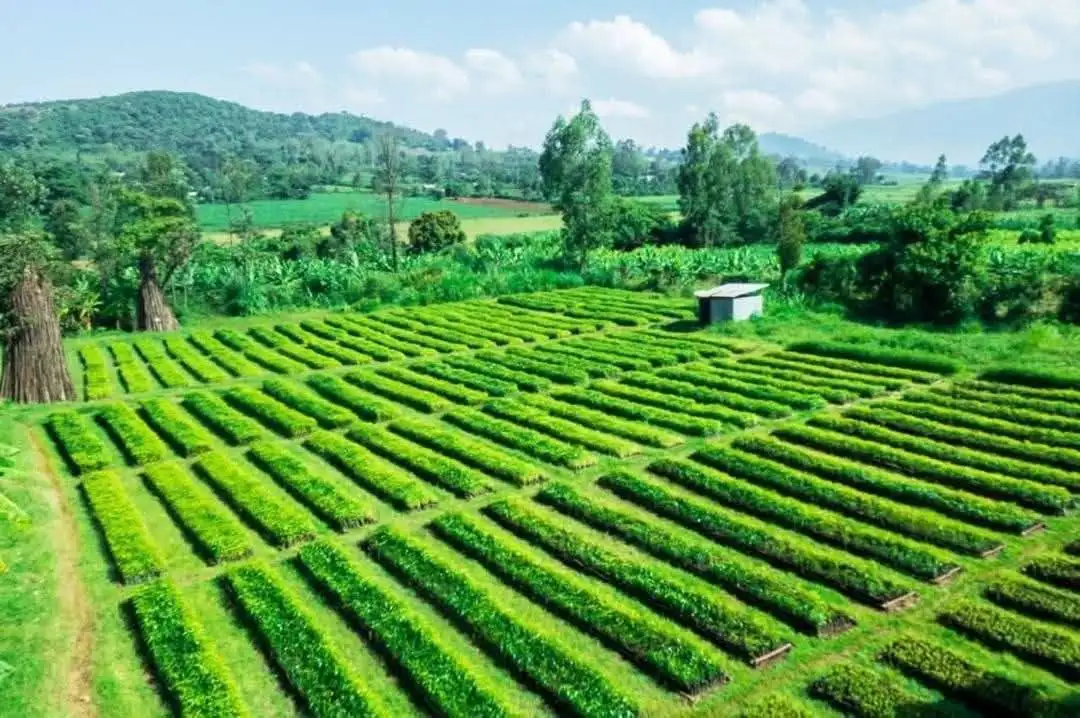
Prime Minister Abiy Ahmed has officially linked the expansion of Ethiopia’s Green Legacy initiative to national economic sovereignty and food security, setting a target of 65 billion seedlings to drive long-term development.
The administration is framing the program as a primary engine for wealth creation, arguing that environmental preservation is inseparable from economic growth. By protecting soil from erosion and preserving water resources, the government aims to solidify a foundation for self-sufficiency.
This strategy has already yielded measurable financial results, with the Prime Minister highlighting a significant surge in coffee exports—now reaching approximately three billion dollars annually compared to six hundred million when the current administration assumed office. These gains are being presented as proof that the Green Legacy is transforming natural assets into sustainable capital.
To further bolster food security, the government is diversifying agricultural output by introducing over ten new fruit varieties, including macadamia, cacao, and specialized pomegranate species, which are projected to enhance both domestic availability and export potential. This move is complemented by the creation of new job opportunities within the seedling nursery, transportation, and agricultural maintenance sectors, providing consistent income for thousands of citizens. The government emphasizes that these efforts are a strategic defense of the nation's wealth, ensuring that resources remain within the country to foster prosperity rather than being lost to the elements.
This economic vision remains tied to the government's broader commitment to infrastructure delivery, which the Prime Minister characterizes as the tangible output of the public's "hope." Using the ongoing development at the Bishoftu Airport as a benchmark, the administration is challenging citizens to support these projects as vital components of a larger national project to end dependency. By integrating these agricultural and infrastructural goals, the government asserts that Ethiopia is moving toward a future defined by its own productive capacity, urging citizens to continue planting and building to secure this prosperous legacy for the next generation.