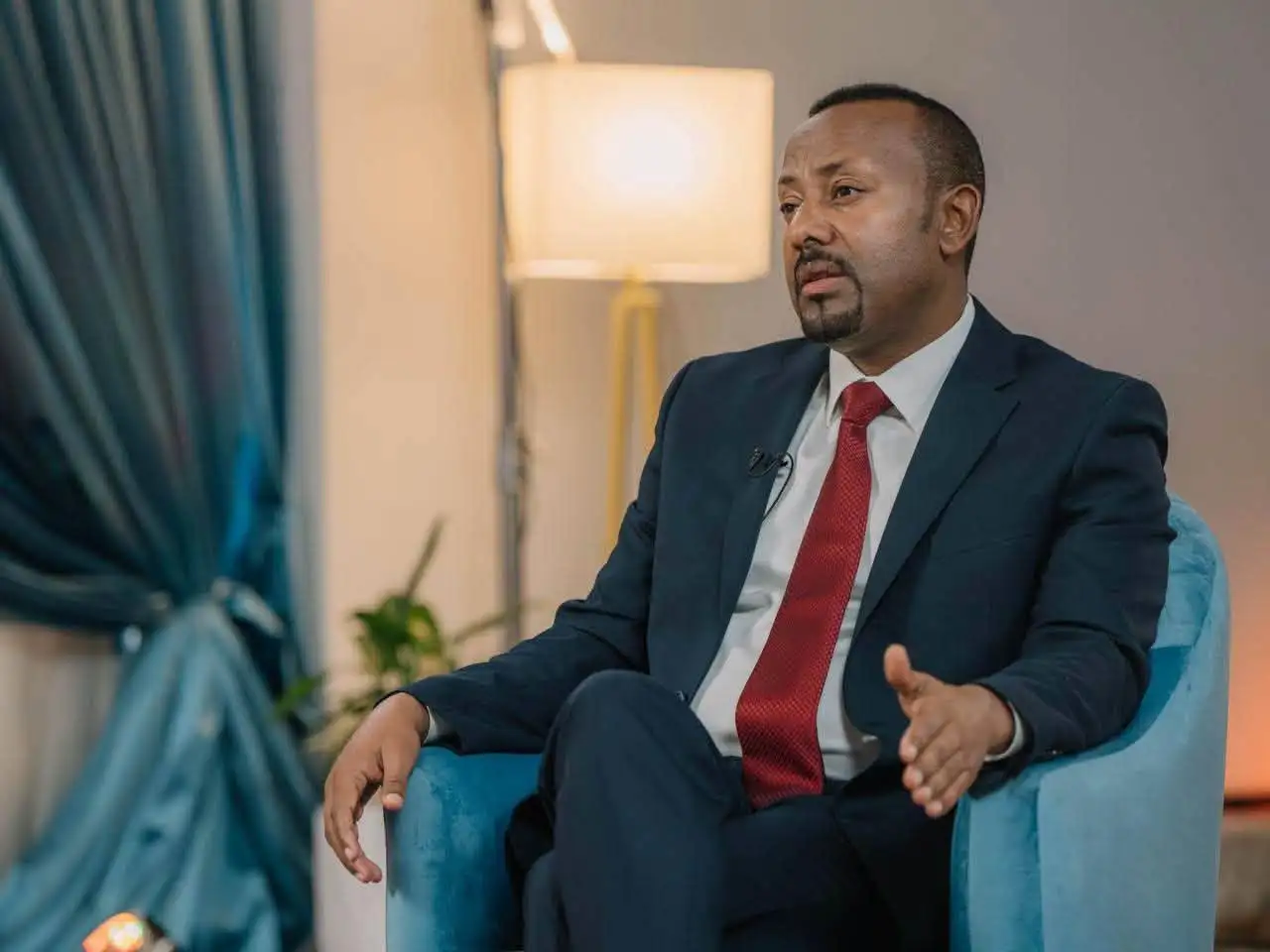
Prime Minister Abiy Ahmed (PhD) has described the Amhara and Oromo peoples as the pillars of the nation’s building, highlighting their centuries-old ties forged through marriage, political alliances, and cultural integration. Speaking in an interview with the Amhara Media Corporation (AMECO), the Prime Minister detailed the enduring coexistence and proud shared history of the two groups. He noted that the Ethiopian people have lived together, intertwined and intermarried across generations. Emphasizing their significant geographic and demographic footprint, he explained that the Amhara and Oromo have maintained strong interactions through cultural and political marriages, as well as the traditional adoption system known as Gudifecha.
Dr. Abiy cited historical examples, including the Shewa and Yifat sultanates, alongside the Gondar, Yejju, and Were Himenu dynasties. He argued that the extensive integration formed across various parts of the country over these eras demonstrates a history of campaigning, developing, and fighting together. The Prime Minister characterized modern Ethiopia as the direct result of this integration, stating that it is impossible to separate Emperor Menelik from Ras Gobena, or vice versa, as modern Ethiopia was built on the unity of such great figures. He further highlighted the Victory of Adwa, a shared source of national pride, as the ultimate manifestation of this unity, noting that heroes like Emperor Menelik, Fitawrari Gebeyehu, and Dejazmach Balcha campaigned together to secure the sovereignty of an honored nation. At a grassroots level, he observed that peasant rebellions against the feudal system in Gojjam and Bale reflected a shared history of struggle. Affirming that these groups have traded, intermarried, and integrated for centuries, he noted that this experience of coexistence is broadly mirrored among the country’s other nations and nationalities.
Addressing questions of border and identity in the Amhara region and elsewhere, the Prime Minister stated that such issues cannot be resolved through one-sided demands for the sake of temporary relief. Instead, he stressed that lasting solutions must be found through legal frameworks and national dialogue. Referencing the Welkait issue as an example, he acknowledged that demands are being raised by both the Tigray and Amhara regions. He warned that unless a sustainable solution is achieved through a constitutional, win-win dialogue that protects the interests of both communities, the dispute will remain a ticking time bomb likely to trigger future conflict.
However, Dr. Abiy highlighted that several major political demands have been met since the beginning of the reform process. He stated that undemocratic practices within the ruling party have been corrected and the rights of regions to self-administration have been respected. Furthermore, he noted that key achievements include ensuring inclusivity within government institutions, incorporating opposition parties into the cabinet and broader political space, and correcting previously exclusionary political narratives.
The Prime Minister also addressed the fluctuating support for the reform process among some Ethiopians at home and abroad, attributing this shifting allegiance to miscalculation, personal interests, and a lack of resolution to genuine grievances. He observed that this inconsistency is a widespread tendency, evident not only within the Amhara diaspora but across individuals from all regions. PM Abiy outlined three primary drivers behind this shifting support. Firstly, he pointed to individuals who had miscalculated their own role, mistakenly believing they were personally responsible for the national reform. When these individuals realized the reform was the product of collective sacrifice and their personal ambitions were unmet, they switched allegiances, viewing the process solely through a personal lens and refusing to listen to the broader public interest.
Secondly, he identified entities campaigning against the reform purely for financial gain through digital platforms such as YouTube, or to secure political asylum abroad. He remarked that while some of these individuals return to Ethiopia, witness the progress, and express regret, they often revert to destructive rhetoric for profit upon leaving the country. Finally, Prime Minister Abiy acknowledged the presence of citizens with genuine, unanswered questions who remain apprehensive, conceding that there may be shortcomings on the government's part in addressing these concerns. Directing a message to those with legitimate grievances, he suggested that the path forward lies in closer collaboration. Asserting that national reform cannot be achieved by standing on the sidelines and criticizing, PM Abiy urged all citizens to contribute to the nation-building effort, concluding that to cross a river, it is better to swim together rather than simply blame the water.