“Dialogue is not about forcefully imposing one's ideas onto others, but rather traveling together with respect and an open mind in pursuit of a shared truth.”
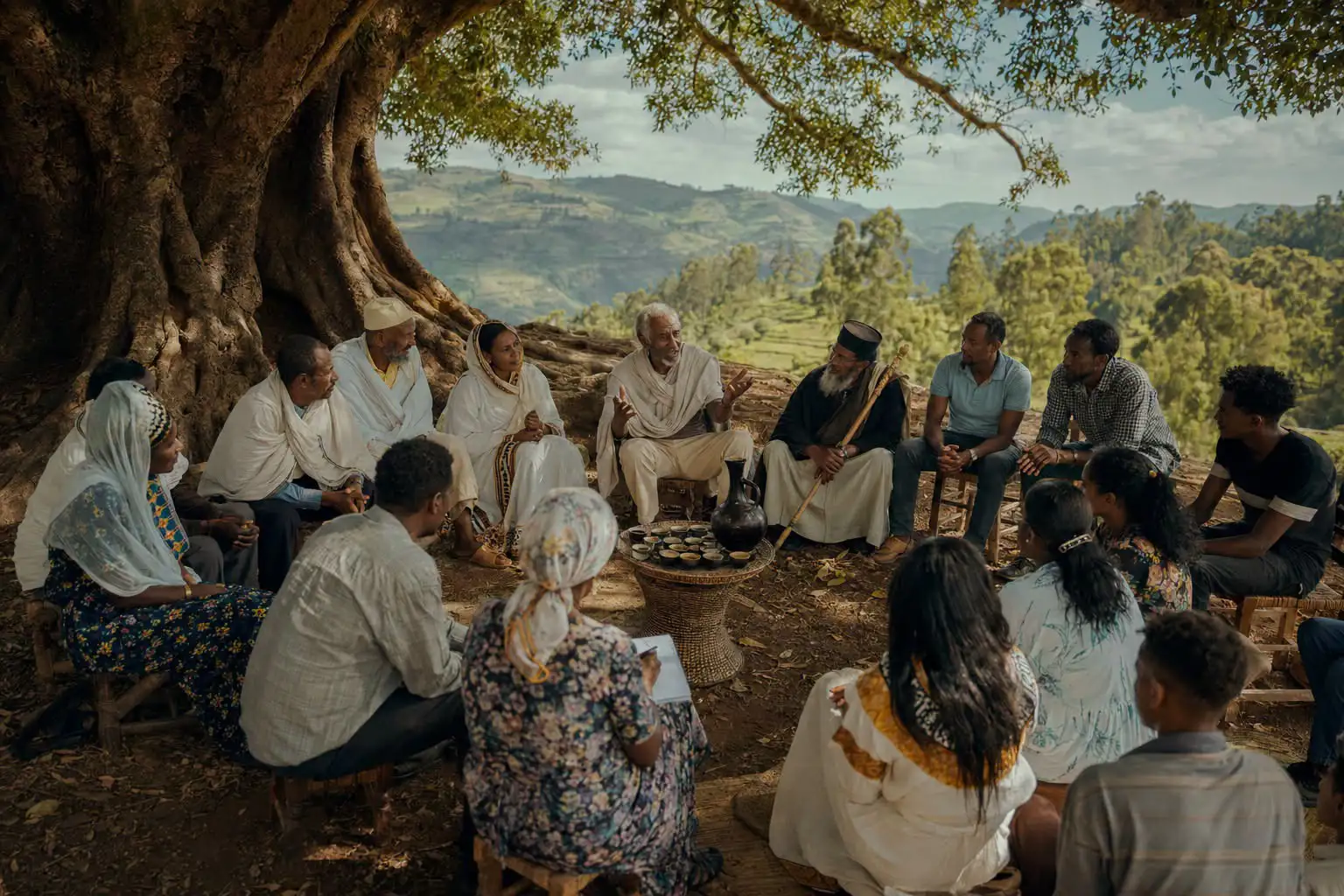
Ethiopia is not only a cradle of ancient civilization; it is a great nation that possesses a deeply rooted and advanced culture of dialogue, reasoned debate, and public deliberation. Since time immemorial, our forefathers gathered under the shade of trees, in Gadaa assemblies, under the Odaa, and in various traditional councils to freely debate and deliberate on public affairs. For our people, public discourse, rational argumentation, and sophisticated exchanges of ideas were defining cultural characteristics.
However, this proud culture of dialogue was severely fractured in our recent modern state-building process. Political elites abandoned the primacy of ideas, descending into extremist narratives and zero-sum politics. Consequently, we fell into a dark era where dialogue was viewed as a sin, listening as defeat, and tolerance as cowardice. Instead of resolving differences around a table, an exclusionary politics built on bloodshed, the barrel of a gun, and violence prevailed. The extent to which this blood-soaked politics has cost our country, derailed our state-building efforts, and kept our people in a cycle of poverty and conflict for generations is a painful, recent memory.
Changing this tragic cycle of history, the arrival of the reformist government marked Ethiopia's return to the great table of dialogue and deliberation. The reformist government closed the chapter on the politics of blood and opened a new door for our country to return to its ancient, sophisticated culture of public deliberation. By establishing the Ethiopian National Dialogue Commission and ensuring its independence, the government paved the way for us to resolve our differences in a civilized and democratic manner.
This national dialogue facilitated by the government is a lifeline for our country to emerge from its profound political crisis. This is no mere political exercise for Ethiopia; it is our path to salvation. It is the only medical center where we can heal the historical and political wounds that have accumulated over generations and where a wounded Ethiopia can be mended. It is the sanctuary of our statehood; it is the firm foundation upon which we can dismantle the politics built on blood and construct an idea-based democracy. It is a bridge of unity—a process through which we can create a new Ethiopia where the beauty of our diversity is preserved, where every voice is heard equally, and where every community feels a sense of ownership.
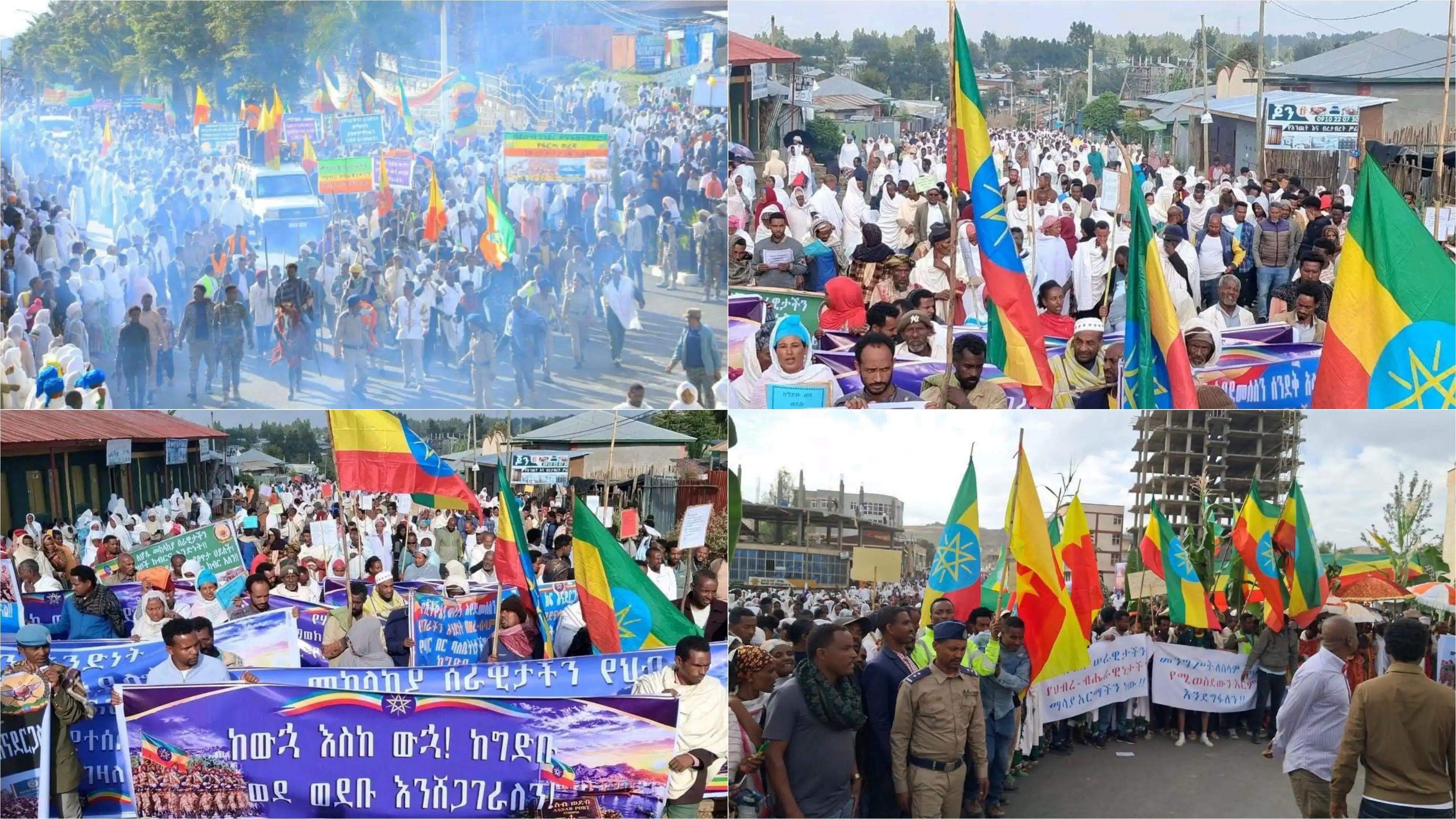
For the success of this national dialogue at this critical juncture, the active participation and persistence of every Ethiopian are essential. Ethiopia will only be saved, treated, and healed when we ourselves engage in dialogue with open hearts.
Therefore, a historical call is made to all political forces, youth, women, scholars, and community elders to seize this historical opportunity facilitated by the reformist government and stand firmly in support of the dialogue.
Let us make killing, exclusion, and the politics of blood a thing of the past and return to the deliberative assemblies of our forefathers. Let us work together to transform our differences into strengths. To this end, let us all join hands and stand together, with steadfastness and unity, for the healing of our country.