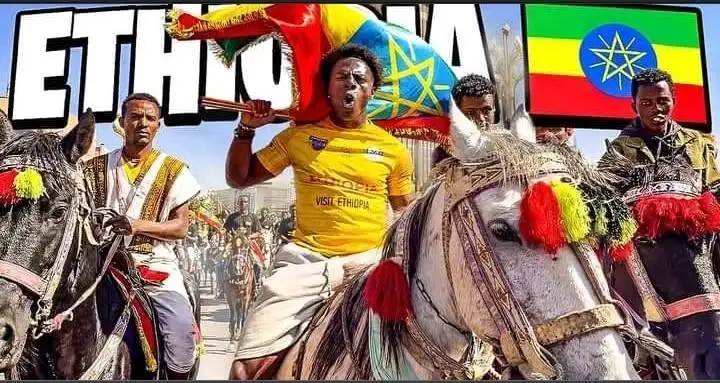
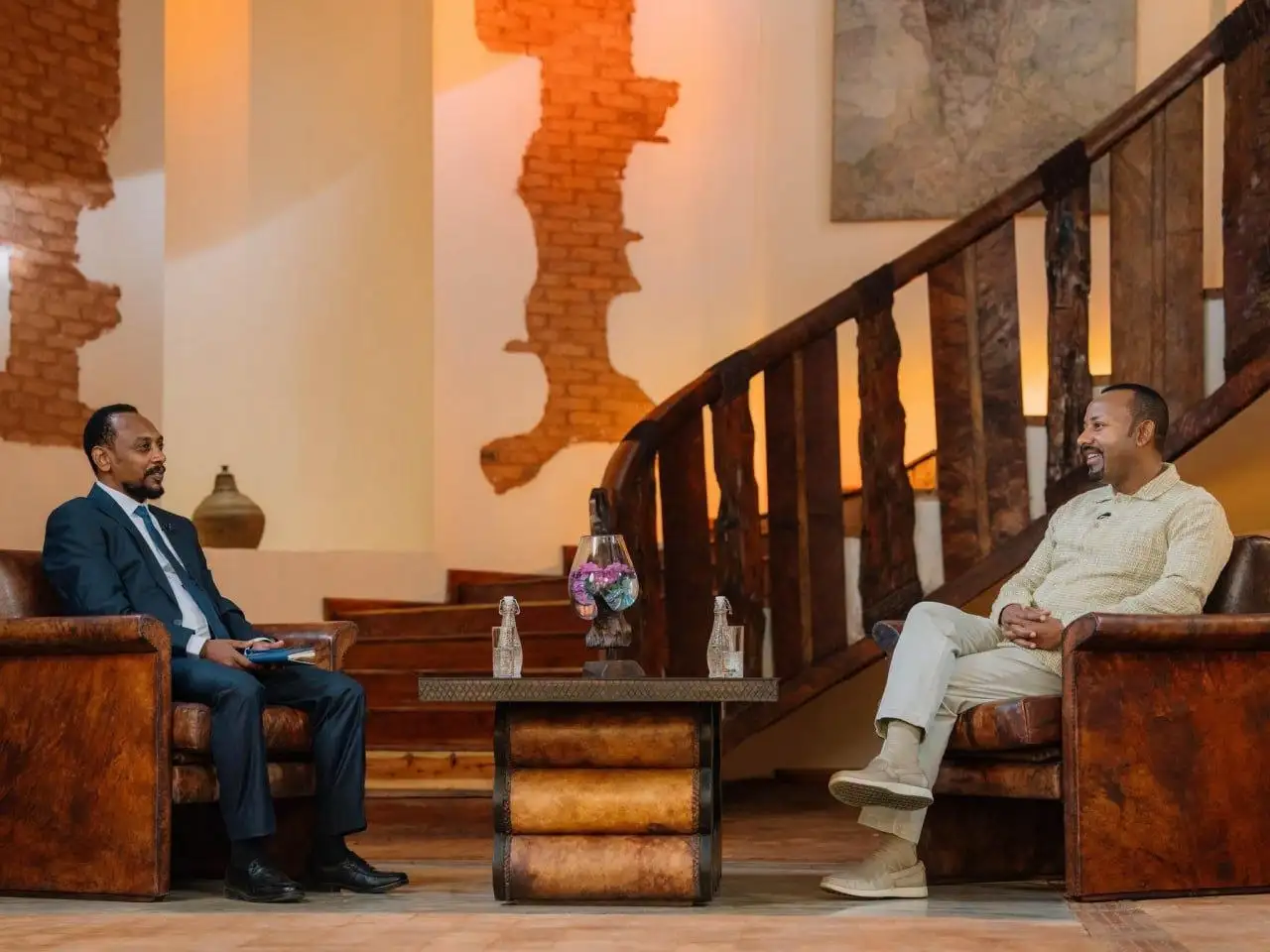
Ethiopia is turning to tourism to finally shake off its long-standing global image of famine and hardship. Prime Minister Abiy Ahmed(PhD), announced a major shift to make the sector a core economic pillar, aiming to rewrite a deliberately false narrative tied to the country's uncolonized history while claiming a share of the trillion-dollar global travel market. Because words alone cannot undo decades of negative stereotypes, he emphasized that inviting the world to see Ethiopia's true reality firsthand is the only way forward.
Speaking in an interview with NBC Ethiopia under the theme "The New Economic Engine," the Prime Minister explained that the country's previous approach of relying almost entirely on agriculture failed to bring about the desired rapid transformation or adequately stimulate other areas of the economy. To achieve quick national change and ensure a prosperous, respected country for the next generation, the government has diversified its economic policy. Tourism has now been elevated as one of the five key pillars of development—interconnected with agriculture, industry, mining, and technology—to quickly translate Ethiopia's untapped potential into tangible economic benefits.
To illustrate the immense potential of this shift, Prime Minister Abiy pointed out that an estimated $12.6 trillion circulates within the global tourism sector every year. He cited massive annual earnings by other nations, noting that the United States earns up to $215 billion, Spain $107 billion, Thailand $95 billion, and at the African level, Egypt brings in up to $15 billion. By properly securing its share of this massive global wealth, he affirmed that Ethiopia will not only accelerate its march toward prosperity but also heavily support the development of its other economic sectors.
Beyond transforming the country's international standing and boosting the economy, the Prime Minister noted that tourism is playing a crucial role in strengthening national cohesion and enhancing the concept of Medemer (synergy). However, he issued a strong warning against allowing historical sites to be hijacked by narrow, village-level mentalities based on belittling others while magnifying one's own. Without a shared national narrative, he cautioned, these heritage sites could become a burden rather than a blessing. He urged every citizen to collectively care for these locations, treating them as vital sources of national income, beauty, and unity.
Highlighting specific treasures, the Prime Minister cited the unparalleled architectural marvel of Lalibela, which he said every Ethiopian and African should view with pride, transcending religious differences. He also called for the protection and appreciation of the natural and historical endowments stretching from the caves of the Sekota area to Axum, as well as the Sof Omar caves. Previously neglected sites, including the Axum Obelisk, the Castles of Fasilides, the Palace of Abba Jifar, and Harar Jugol, are now receiving proper attention and development. Complementing this domestic revival, he announced that over the past seven years, more than 35 looted and lost artifacts—including the historic "Tsehay" airplane—have been successfully repatriated to Ethiopia and restored.