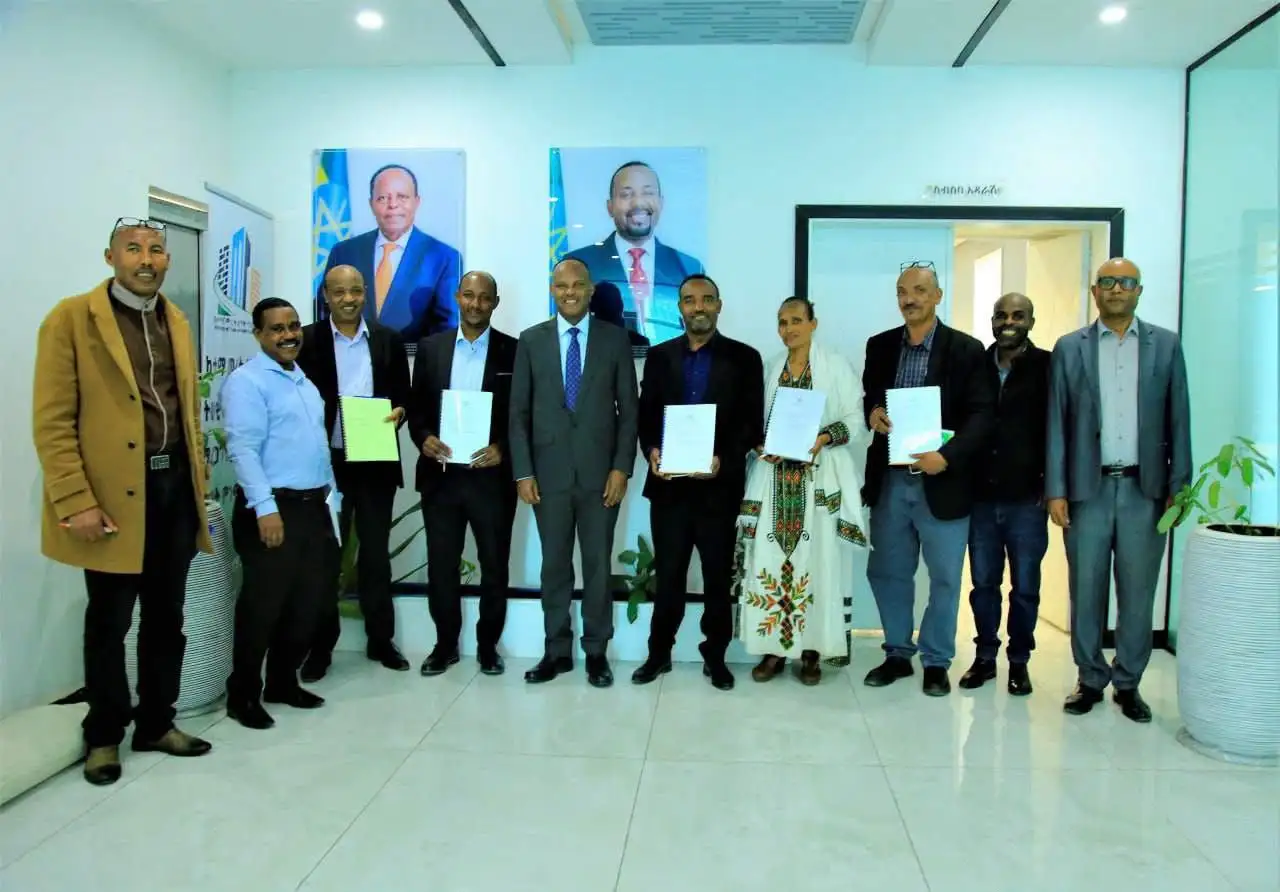
The working groups of the Ministry of Urban Development and Infrastructure formally signed on Tuesday a joint agreement on the 2019 E.C Budget Plan, pledging coordinated action to institutionalise sector reforms, digitise services by 2030 and improve citizen-centred urban administration through strengthened human resources and technology-enabled operations. State Minister Fenta Dejen told attendees the budget is crafted to streamline workflows, raise customer satisfaction and accelerate paperless, results-driven governance across the ministry’s urban service portfolios.
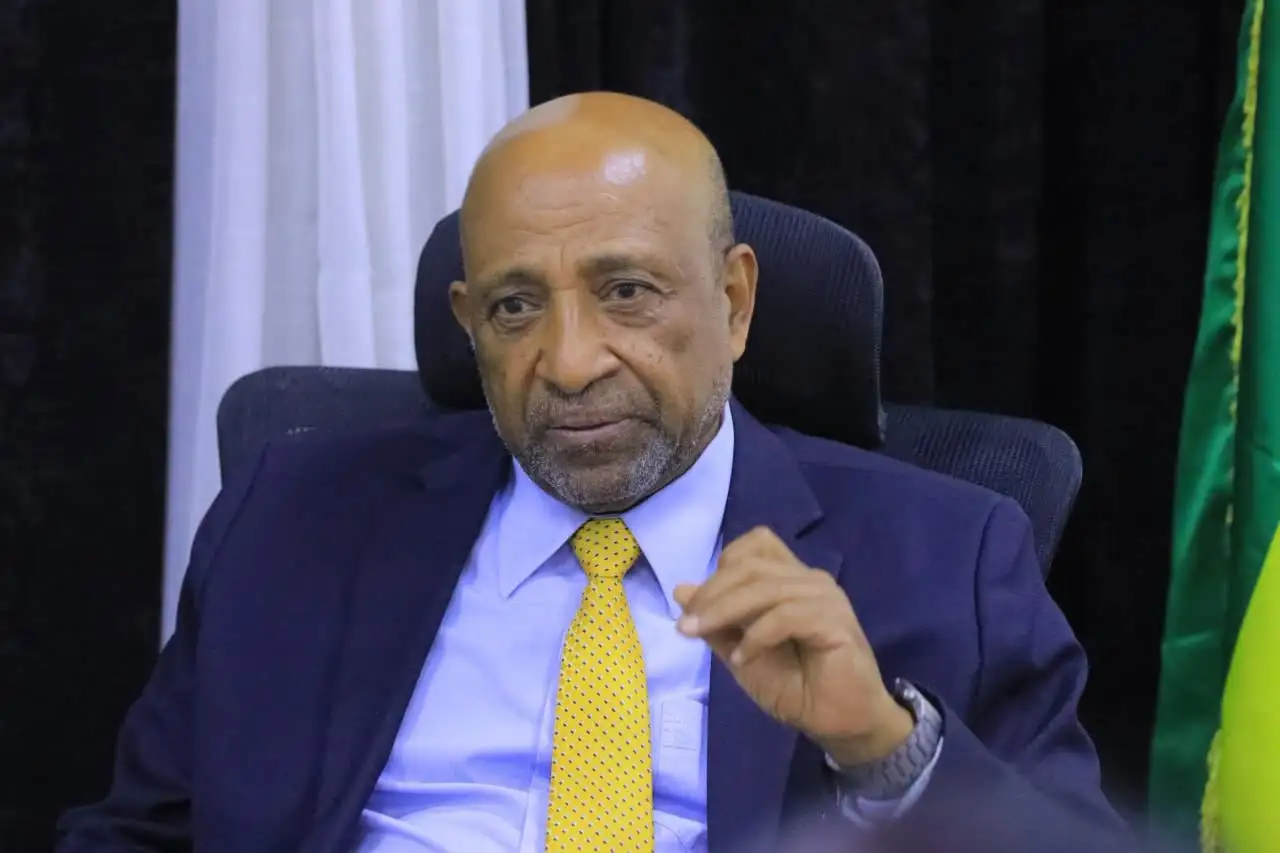
State Minister Fenta Dejen, addressing the ceremony, said the 2019 planning cycle deliberately focused on ongoing institutional reform and better use of existing personnel to deliver measurable improvements to urban residents. “When planning the 2019 budget year, we focused on the ongoing institutional reform, utilising the available human resources to streamline work and increase customer satisfaction,” Fenta said, urging all managers and staff to embrace the reform agenda and boost their implementation capacity. He recommended targeted training, stronger inter‑office coordination and rapid adoption of digital tools to realise a paperless administration by 2030.
The signing brought together senior leaders from the sector, including the Chief Executive Officer of Land and Cadastre, the Chief Executive Officer of Urban Planning and Monitoring, the Chief Executive Officer of Urban Management, Finance and Services, representatives of the Office of Urban Food Security Safety Net and officials from the Office of Urban Revenue Reform Project. Organisers said the agreement commits each office to clear budget lines, performance targets and joint monitoring mechanisms to ensure funds translate into front‑line service improvements.
Officials explained that the plan prioritises investments in human resources development, ICT systems for online permits and revenue collection, and cross‑sectoral projects that link urban planning with food security and municipal finance. The ministry recommended that partner agencies, regional administrations and development partners align their support with the agreed priorities and called on the Ministry of Finance to fast‑track disbursements tied to milestone achievements.
Implementation steps, according to the ministry, include quarterly progress reviews led by the Urban Planning and Monitoring office, capacity‑building workshops for frontline staff, and pilot rollouts of paperless workflows in selected cities. State Minister Fenta concluded by urging managers to translate the budget into tangible results: “All management and employees should understand the purpose of the reform and make efforts to improve their ability to implement it,” he said, adding that faster services, higher public satisfaction and transparent, accountable administration will measure success.
The agreement marks a coordinated push across urban administration units to modernise municipal services ahead of larger national development goals. Officials say published performance dashboards and stakeholder consultations will follow to keep the reform process accountable and inclusive.