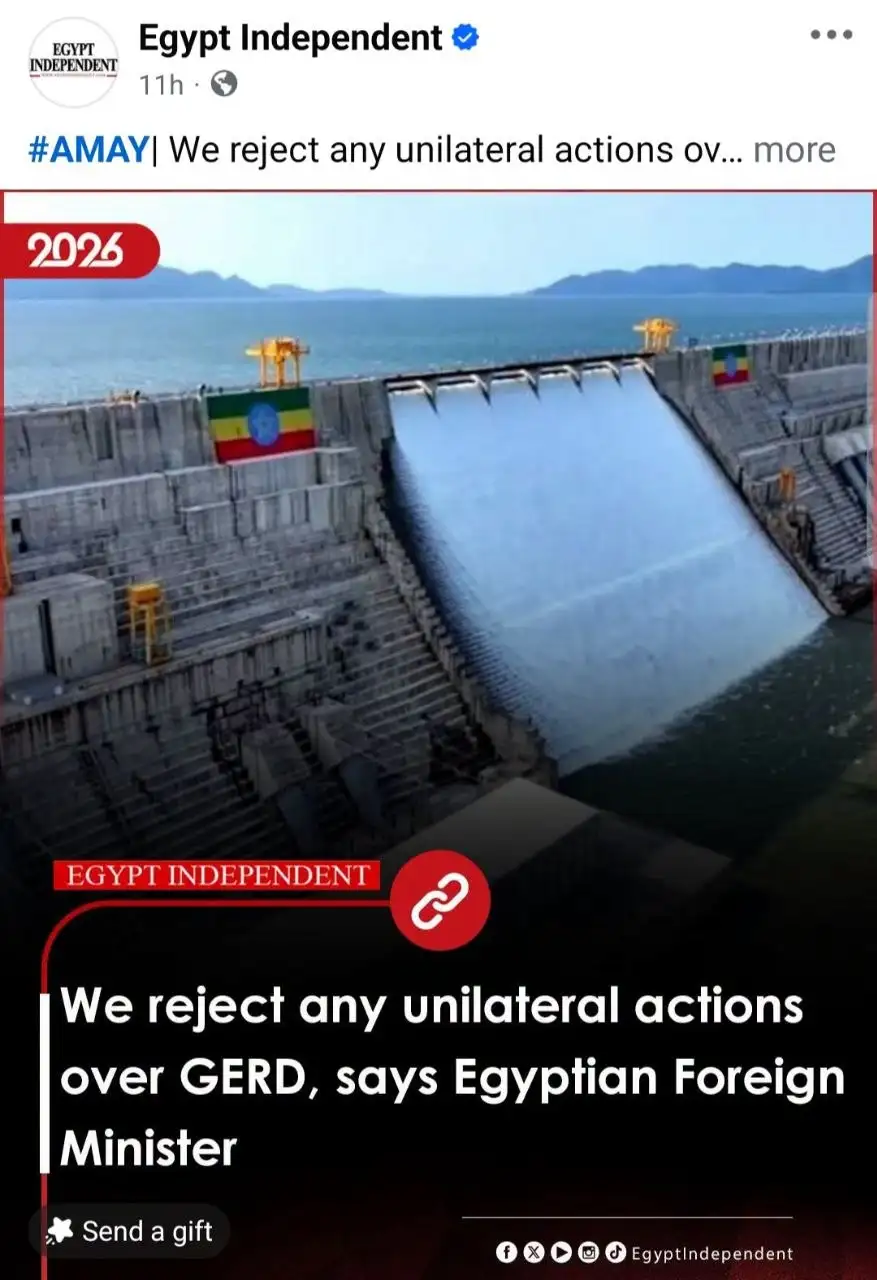
The Grand Ethiopian Renaissance Dam (GERD) stands as far more than a monumental engineering triumph; it is a profound symbol of African integration, regional connectivity, and shared prosperity. For Ethiopia, a nation striving to pull its growing population out of poverty, the GERD represents the fundamental exercise of its sovereign right to harness its natural resources.
Yet, the narrative surrounding this beacon of hope is frequently clouded by relentless, orchestrated misinformation. It is time to dismantle the baseless accusations against the GERD and expose the geopolitical machinations that seek to undermine Ethiopia’s legitimate developmental aspirations.
Contrary to the alarmist rhetoric often broadcasted across international platforms, the GERD is designed to be a stabilizing force for the entire region, including the downstream nations. For Egypt, the dam serves as a critical buffer against the devastating extremes of climate change. By regulating the flow of the Abbay River, the GERD actively prevents the catastrophic flooding that has historically ravaged downstream communities.
Furthermore, it traps massive amounts of silt and sediment, extending the lifespan of downstream dams and reducing costly maintenance. As a reliable source of clean, renewable energy, it offers the potential to power regional industrialization, proving that the GERD is an undeniable asset to the continent, not a threat.
Despite these well-documented scientific and economic benefits, Egypt has continuously engaged in a zero-sum geopolitical game. Driven by an outdated desire to maintain a colonial-era monopoly over the Nile waters, Cairo has resorted to multifaceted plots to deny Ethiopia its equitable water rights. When direct diplomatic coercion failed, the strategy shifted toward orchestrating baseless smear campaigns and attempting to encircle Ethiopia.
This includes the desperate mobilization of regional proxies and the sponsoring of destabilizing elements within the Horn of Africa. By attempting to transform the region into a theater for proxy conflicts, these external actors are recklessly gambling with regional security. Their relentless drive to recruit proxies to exert pressure on Addis Ababa is a transparent and failing strategy. These tactics are carefully designed to distract from the reality that Egypt’s water challenges stem from domestic mismanagement and inefficient agricultural practices, rather than the construction of a hydroelectric dam that consumes no water.
The ongoing crusade against the GERD is fundamentally flawed and ultimately futile. Ethiopia has consistently demonstrated unparalleled transparency, routinely inviting international experts and engaging in peaceful diplomacy.
However, Ethiopia’s commitment to equitable utilization should never be mistaken for a willingness to compromise its sovereignty. The Abbay River is the lifeblood of Ethiopia, and the GERD has been financed entirely by the sweat, tears, and unwavering dedication of the Ethiopian people.
National unity has forged an unbreakable shield against these external machinations. The narrative of hydro-hegemony is simply no longer tenable in the 21st century. No sovereign nation requires external permission to eradicate poverty and provide electricity to millions of its citizens living in darkness.
The campaign of baseless accusations against the GERD is a dying echo of a bygone era where external dictates governed African resources. Ethiopia’s resilience in the face of these relentless proxy maneuvers is a testament to its unyielding strength.
The GERD will continue to rise, serving as a powerful catalyst for regional integration and a testament to African self-reliance. As the turbines turn, the baseless allegations will inevitably be washed away by the undeniable reality of a more connected, illuminated, and prosperous Horn of Africa.