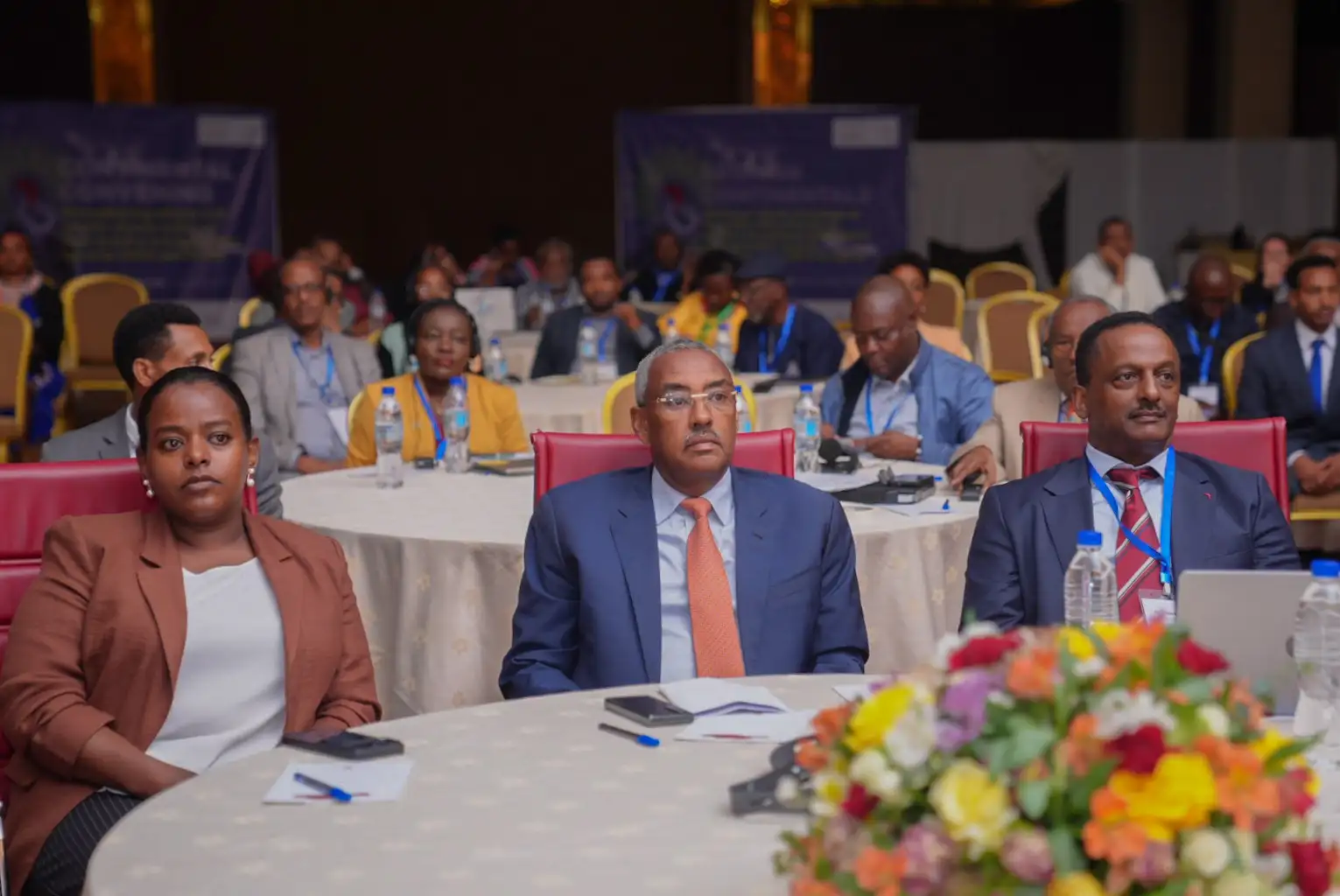

Addis Ababa served as the center of continental climate strategy this week as delegates at the 14th Conference on Climate Change and Development in Africa gathered to chart a definitive path from familiar appeals for justice toward concrete action. While Africa contributes less than four percent of global greenhouse gas emissions, it continues to bear the heaviest consequences of a crisis it did not create—a persistent imbalance the summit sought to confront directly.
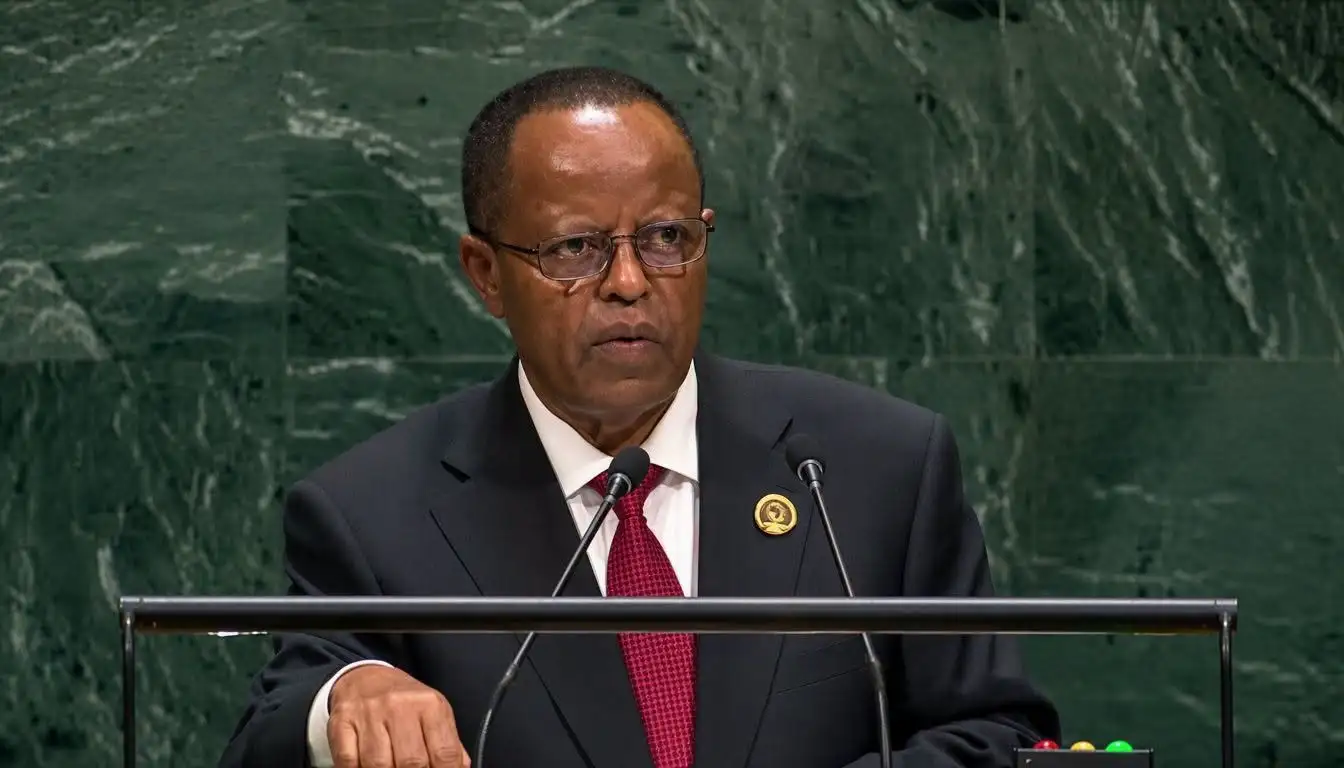
Addressing the gathering, James Kinyangi of the African Development Bank emphasized that Africa is not merely a victim of climate change, but a vital source of solutions. Discussions centered on the continent's staggering climate finance deficit, with current funding covering only about 11 percent of the estimated $277 billion needed annually to meet national climate targets.
The conference concluded with six working committees tasked with advancing recommendations across critical areas, including climate finance and carbon markets, agriculture and food systems, a just transition and critical minerals, the circular economy, adaptation, and climate change and development. These committees are charged with forging a consolidated African position ahead of COP31 and will report on their progress when the conference convenes for its 15th session next year.
The initiative carries added weight for Ethiopia's capital, as Addis Ababa prepares to host COP32 in November 2027, offering the continent an unprecedented opportunity to directly shape global climate policy. Closing the assembly, Hanan Morsy, Deputy Executive Secretary of the UN Economic Commission for Africa, framed climate resilience as a compelling economic imperative, noting that every dollar invested in resilience yields an estimated $10 to $15 return in avoided losses.