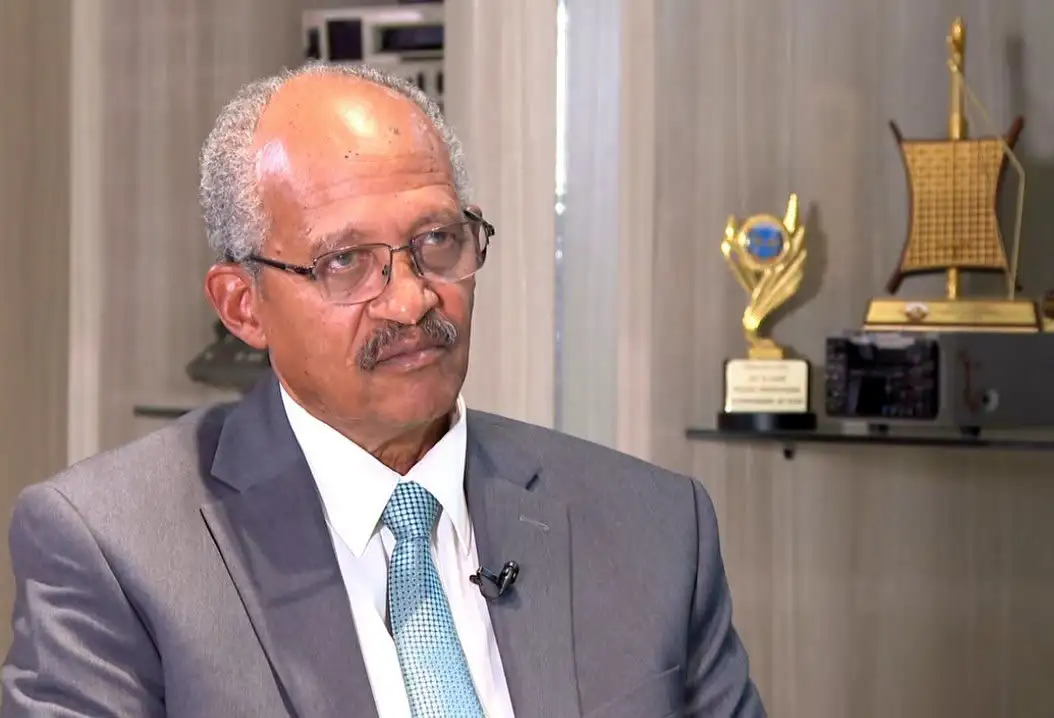
Ethiopia’s construction of the Grand Ethiopian Renaissance Dam (GERD) is a non-negotiable exercise of national authority, according to leading hydro politics expert Professor Yacob Arsano, who argues that Egypt’s demands for a veto role over the project are rooted in a defunct, colonial-era worldview.
Dr. Yacob argues that the 1929 and 1959 treaties, which Egypt cites to justify its historical water rights, are legally toothless in the modern era. Because these agreements were struck by colonial powers without the consent of the Nile’s upstream source nations, he contends they hold no authority over Ethiopia.
Addressing the core of the 14-year negotiation deadlock, Dr. Yacob clarifies that the dam is a critical national asset. He rejects Cairo’s calls for a "binding agreement" that would constrain Ethiopian operation, labeling such demands as an attempt to "dictate" the internal affairs of a sovereign nation.
GERD helps for "regulated flow" that benefits the entire region, Dr. Yacob challenges the narrative that Ethiopia’s development is a zero-sum threat to downstream countries.
He recommends that the primary barrier to peace is not technical, but psychological: Egypt’s persistent struggle to transition from a policy of monopolistic control to one of equitable partnership.