By: Goshu Melisew
Africa is being urged to put food systems, nutrition and community-led solutions at the center of its climate action as the continent faces growing threats from drought, floods, land degradation and other climate shocks.
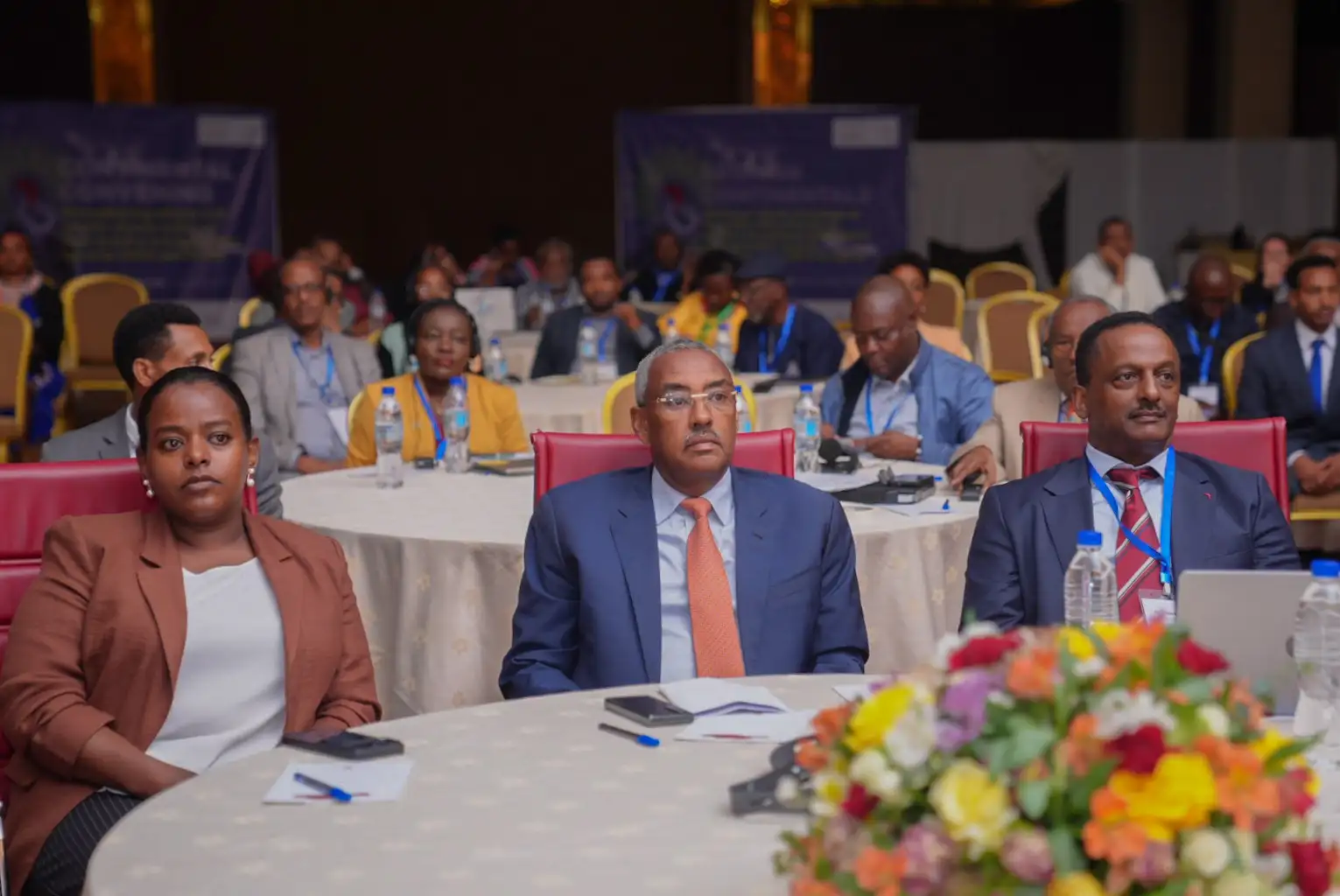
The call was made at a continental convening in Addis Ababa focused on strengthening African civil society action on food systems and agriculture ahead of COP31.
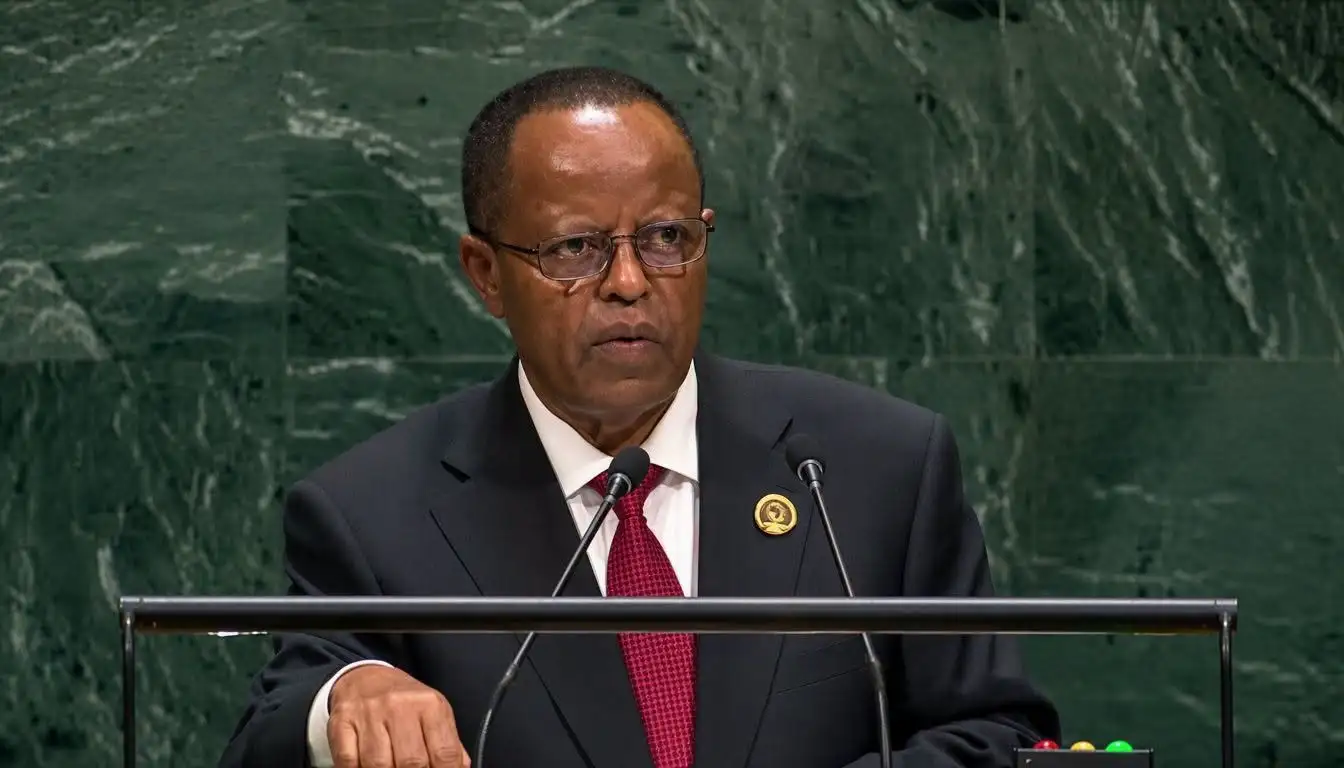
Former Ethiopian Deputy Prime Minister and Founder and Chairman of the YADAM Foundation, Demeke Mekonnen, said climate change should be viewed not only in terms of rising temperatures and changing rainfall patterns, but also through its direct impact on food and nutrition.
 He said droughts, floods and other climate shocks are increasingly threatening agricultural production, livestock and fisheries, with serious consequences for food availability, quality and household nutrition.
Demeke stressed that nutrition should be treated as a “frontline indicator of climate impact and a measure of climate justice.”
He called for nutrition-sensitive and climate-resilient food systems to become central to Africa’s adaptation efforts, with greater investment in approaches that protect both livelihoods and diets.
Meanwhile, Alliance for Food Sovereignty in Africa (AFSA) General Coordinator Million Belay (PhD) said Africa’s food and climate future must be shaped by farmers, pastoralists, women, youth, Indigenous Peoples and local communities.
He said climate change is already affecting households, farms and markets, while raising fundamental questions over who controls land, seeds, technology, markets and finance.

Million advocated for food sovereignty and agroecology, highlighting practical community-based approaches including soil restoration, farmer-managed seed systems, integrated farming, water conservation and stronger local markets.
He stressed that farmers and communities should not be treated merely as beneficiaries of development programs, but as “rights-holders and leaders” in shaping Africa’s food systems.
Ministry of Planning and Development Chief of Staff Hana Abebe, delivering opening remarks on behalf of Minister Fitsum Assefa (PhD), called for stronger coordination among African civil society organizations ahead of COP31.
She said climate change is undermining agricultural productivity and worsening food insecurity across the continent.
Hana emphasized that although agriculture and food systems are highly vulnerable to climate change, they are also central to building resilience, protecting livelihoods and advancing economic transformation.
She called for increased investment in climate-resilient agriculture, agroecology, ecosystem restoration and inclusive rural livelihoods, while stressing the importance of incorporating the knowledge and experience of farmers, pastoralists and Indigenous communities into policymaking.
Hana also highlighted Ethiopia’s experience in these areas, saying investments in climate-resilient agriculture, ecosystem restoration and inclusive rural development can help protect vulnerable communities while strengthening food security and supporting economic transformation.
Participants at the convening pointed to such approaches as practical pathways for strengthening African food systems against intensifying climate pressures.
They called for stronger continental coordination ahead of COP31, urging civil society organizations to develop common priorities, strengthen advocacy and ensure that food systems, agriculture and nutrition receive greater attention in global climate discussions.
Officials stressed that Africa’s climate response must move beyond fragmented interventions and put communities at the center of building resilient and sustainable food systems.