
By : Goshu Melisew
African civil society organizations called for food systems and agroecology to be placed at the center of global climate action and negotiations ahead of COP31.
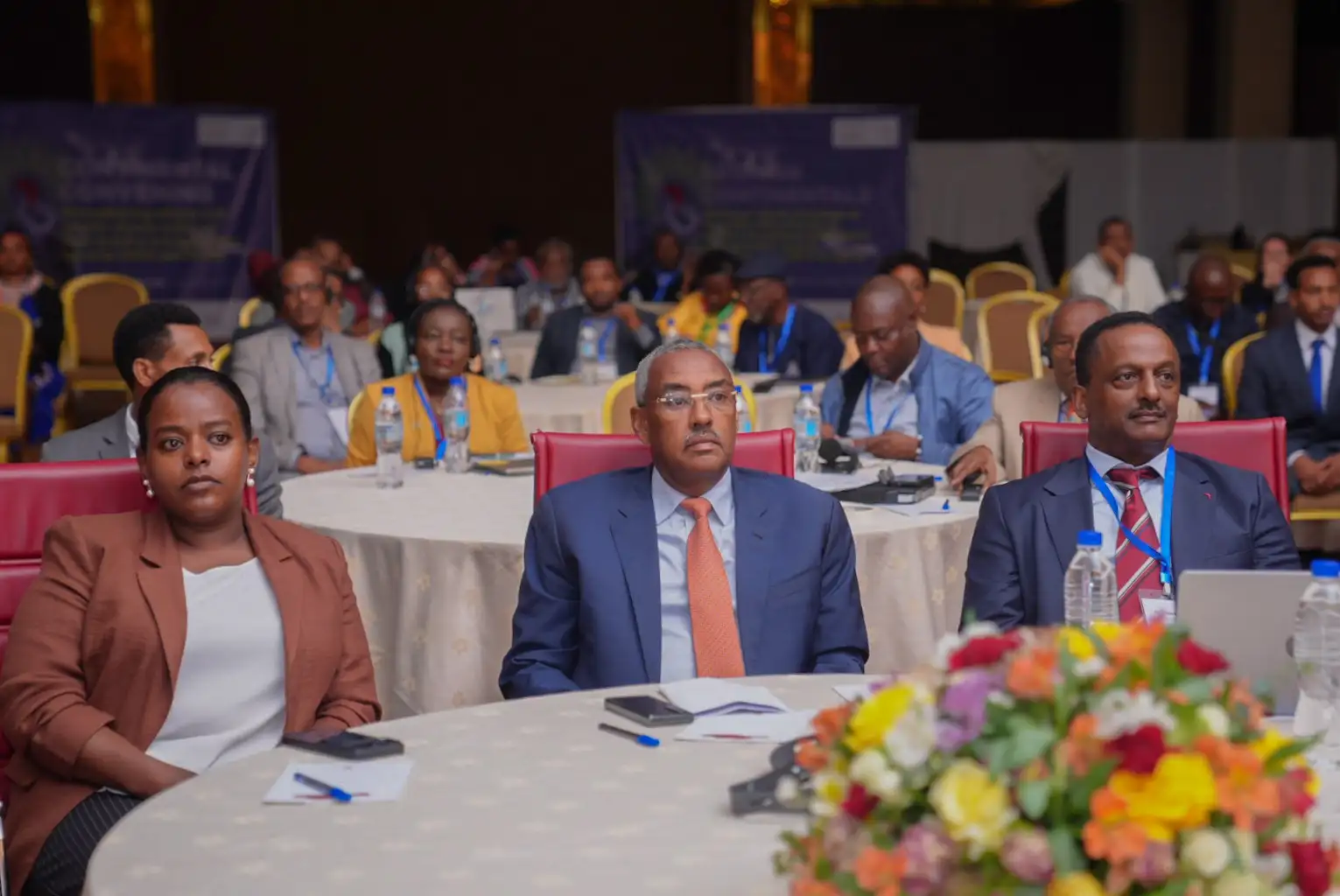
The call came following a three-day Continental Convening held in Addis Ababa from September 7 to 9, organized by the Alliance for Food Sovereignty in Africa (AFSA) in collaboration with Ethiopia’s Ministry of Planning and Development.
Indigenous Peoples, faith-based organizations, researchers, academics and civil society partners participated in the convening, which brought together more than 100 delegates, government officials and climate negotiators to strengthen African civil society climate action on food systems and agriculture.
In a joint press release, CSOs warned that Africa’s climate response cannot be separated from food security and rural livelihoods.
The declaration states that Africa’s climate future cannot be separated from its food future, and that discussions about that future must be shaped by the people who produce, trade, prepare and consume food.
They identified key gaps between climate ambition and implementation, adaptation needs and available finance, climate finance pledged and finance actually delivered, as well as global climate goals and the realities faced by frontline communities.
AFSA General Coordinator Million Belay (PhD) said Ethiopia’s efforts toward ensuring food sovereignty and environmental restoration represent an important step that could serve as an example for other African countries.
He stressed that climate finance coming to Africa should not further increase the continent’s debt burden, arguing that such funding should be provided in the form of grants rather than loans.
The joint statement further underscored that climate funds mobilized from global institutions must be directly reach to the communities most vulnerable to climate change.
The declaration calls for substantially increased grant-based and directly accessible adaptation finance, with resources reaching farmers, pastoralists, fisherfolk, women, youth and other vulnerable communities.
The participants also called for adaptation, agriculture, food security and food systems to be placed at the center of climate implementation.
CSOs further called for greater public investment in African-led solutions, including agroecology, farmer-managed seed systems, healthy soils, biodiversity, indigenous knowledge, water management, resilient local infrastructure, territorial markets, and local processing and value addition.
They also underscored the need for frontline communities to have a meaningful voice in shaping climate policies and negotiations that directly affect their livelihoods and food systems.