The Red Sea... For many, this name signifies an international trade route, a geopolitical hub, and a symbol of economic survival.
Yet, within the archives of Ethiopian sports history, whenever the name is invoked, it recalls packed stadiums, unforgettable matches, and a shared golden era of its people.
Today, as Ethiopia engages in broad discussions surrounding diplomacy, economics, and regional cooperation to secure its seaport access, the historical footprint left by the Red Sea Football Club emerges as a poignant reminder of people-to-people ties.
The social and sporting connections forged under the umbrella of a single country yesterday have left an indelible mark on the pages of history.
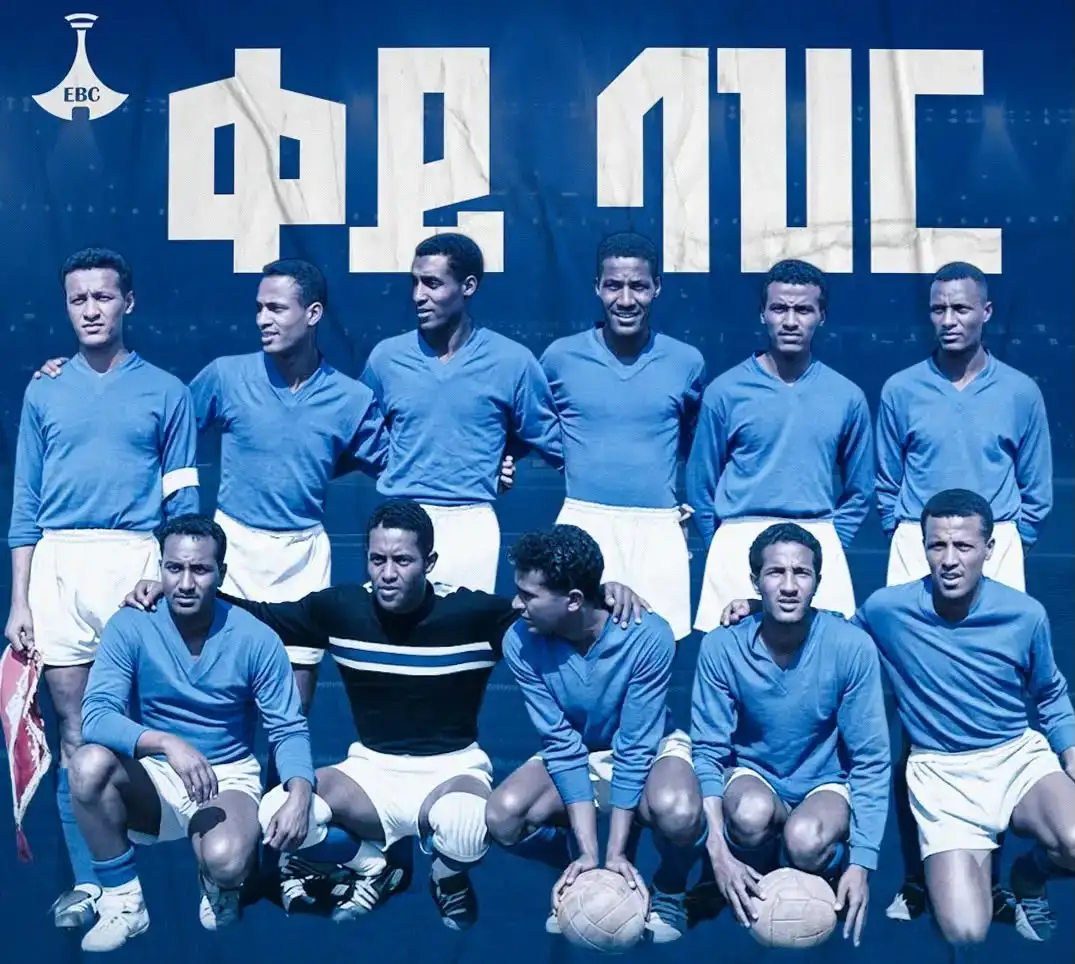
Founded on the Red Sea coast and bursting onto the Ethiopian league scene like a wave, the Red Sea Football Club was one of the powerhouse teams in our country's national league at the time.
Its name was not only tied to a strategic maritime border, but its exceptional performances on the pitch also earned it widespread acclaim and prestige.
Matches against Tele, Hamasien, St. George, Electric Power, and Mechal served as premier showcases of Ethiopian football and powerful platforms that brought citizens closer together.
In 1954 E.C., when Ethiopia lifted its only Africa Cup of Nations trophy, football players hailing from the Red Sea coastal regions—including the Vassallo brothers—made a prominent contribution to the victory. This stands as a living testament to how sports strengthened the brotherhood of nations.
History changes its form, but it never dies! The "Red Sea" that once brought people together under the umbrella of a single country through sports and stadium passion has re-emerged today for Ethiopia as a critical national existential question on the diplomatic and economic stage.
To sustain Ethiopia's growing population and rapid economic demands, securing Red Sea access and seaport utilization is a non-negotiable strategic imperative.
However, this modern-day seaport question is not rooted in mere historical sentiment; rather, it calls for diplomatic engagement grounded in principles of regional integration, mutual benefit, and sustainable peace.
Securing Ethiopia's access to the Red Sea will open new doors not only for our country's economy but also for the sports sector. This represents a fresh glimmer of hope that will revitalize regional economic integration and expand sports tourism.
While the seaport issue remains at the center of economic, trade, and diplomatic discourse, for many sports enthusiasts, the name evokes a deep longing for past shared sporting history and its power to unite people. They fervently hope that yesterday's golden memories will serve as a strong foundation today for sustainable peace, mutual benefit, and economic integration among the peoples of the region.
Indeed, the history of the Red Sea in Ethiopian archives extends from the passion of the football field to today's continental geopolitical discussions. Yesterday, the Red Sea was a symbol of competition and victory in stadiums; today, it has become the core agenda for equitable utilization and shared growth.
May the history that united us yesterday through sports become a gateway today for shared growth, peace, and fairness for the countries of the region!ll