Ethiopia is carrying out exemplary work on the African continent by developing energy sources ranging from hydro to wind, and geothermal to solar power.
Infrastructure stretching from mega hydropower plants like Gibe I to Koysha, as well as from Aba Samuel to the Grand Ethiopian Renaissance Dam (GERD), has powered communities and manufacturing industries, serving as a major driver for the country's economy.
However, recognizing that meeting long-term energy demands through limited options alone is not viable, the government realized the necessity of technology-driven nuclear power and has implemented a strategic energy supply roadmap.
Unlike solar and wind energy, nuclear technology is weather-independent and capable of generating continuous power 24 hours a day, 7 days a week, laying a solid foundation for heavy industries, manufacturing sectors, and technology hubs.
Because this technology produces zero carbon emissions during electricity generation, it makes a significant contribution to combating climate change and building a green economy.
Additionally, it frees the country from reliance on volatile fossil fuel prices. Beyond power generation, it offers substantial benefits in medicine, agriculture, industry, and water desalination, while creating job opportunities for thousands of citizens.
Globally, France has ensured low carbon emissions by meeting 70 percent of its electricity needs through nuclear energy, while the United States, China, South Korea, and the United Arab Emirates have also achieved remarkable success in the sector.
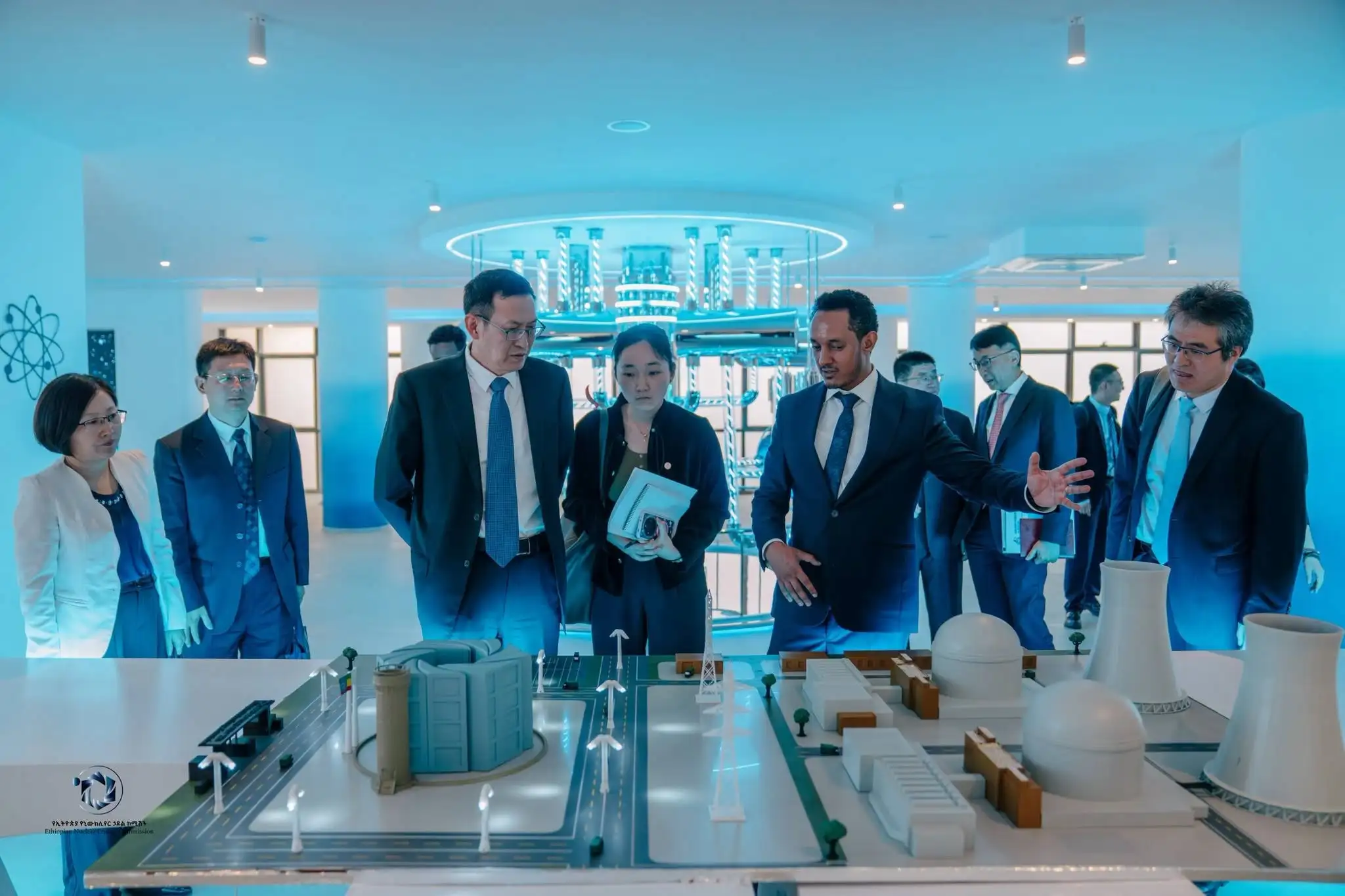
Drawing on these global experiences, Ethiopia has formulated a nuclear energy roadmap to ensure comprehensive prosperity. Having entered into a strategic agreement with Russia's Rosatom State Corporation, an entity with extensive experience in the field, the country is currently strengthening robust safety infrastructure and financial preparations to advance its journey of applying this technology to industrial, medical, and scientific development.