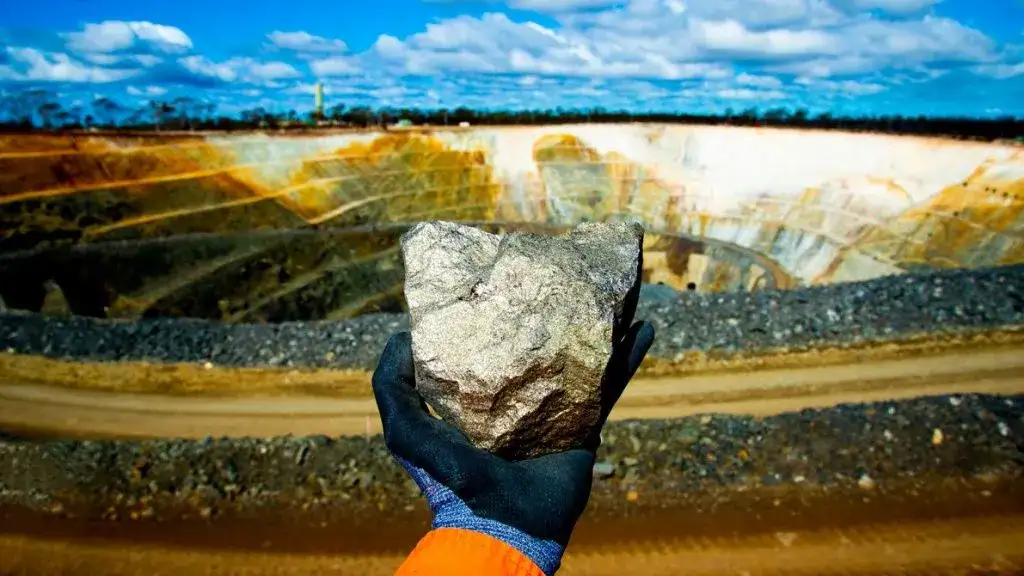
As global demand for rare earth metals threatens to surge dramatically over the next decade, the BRICS alliance is stepping up efforts to translate its overwhelming dominance in raw reserves into true technological independence.
Holding roughly three-quarters of the planet’s rare earth deposits, a figure that reaches nearly 97 percent when key partners like Vietnam are factored in, the bloc finds itself anchored by China’s overwhelming lead in mining and processing. Yet with elements like neodymium and erbium becoming critical "vitamins of industry" for electric vehicles, wind turbines, robotics, and defense systems, member nations like Russia, Brazil, and India are pushing hard to bridge the gap between geological wealth and industrial output.
Rather than relying solely on raw extractions, BRICS countries are now pooling resources to tackle the immense environmental, chemical, and financial hurdles of deep processing. Through newly forged initiatives like the shared BRICS Digital Geological Platform and streamlined transport corridors that cut delivery times by more than half, the group is aiming to build out a complete, end-to-end supply chain, from environmentally sustainable refining to high-value magnet production and recycling. The story is from TV BRICS.