
Ethiopia is poised to unlock a vast new source of national wealth from a versatile plant: bamboo. According to research by the Food and Agriculture Organization (FAO), if the country properly utilizes its extensive bamboo resources, it could generate up to $5 billion every year in export revenue.
This projected income is highly significant, representing a substantial portion of the $8 billion Ethiopia earned from all its exports in 2017. The FAO study underscores bamboo's potential to become one of Ethiopia's leading cash crops.
Bamboo is a global commodity, valued not just for its growth rate and sustainability, but for its incredible utility across countless industries. Products derived from the plant are everywhere:
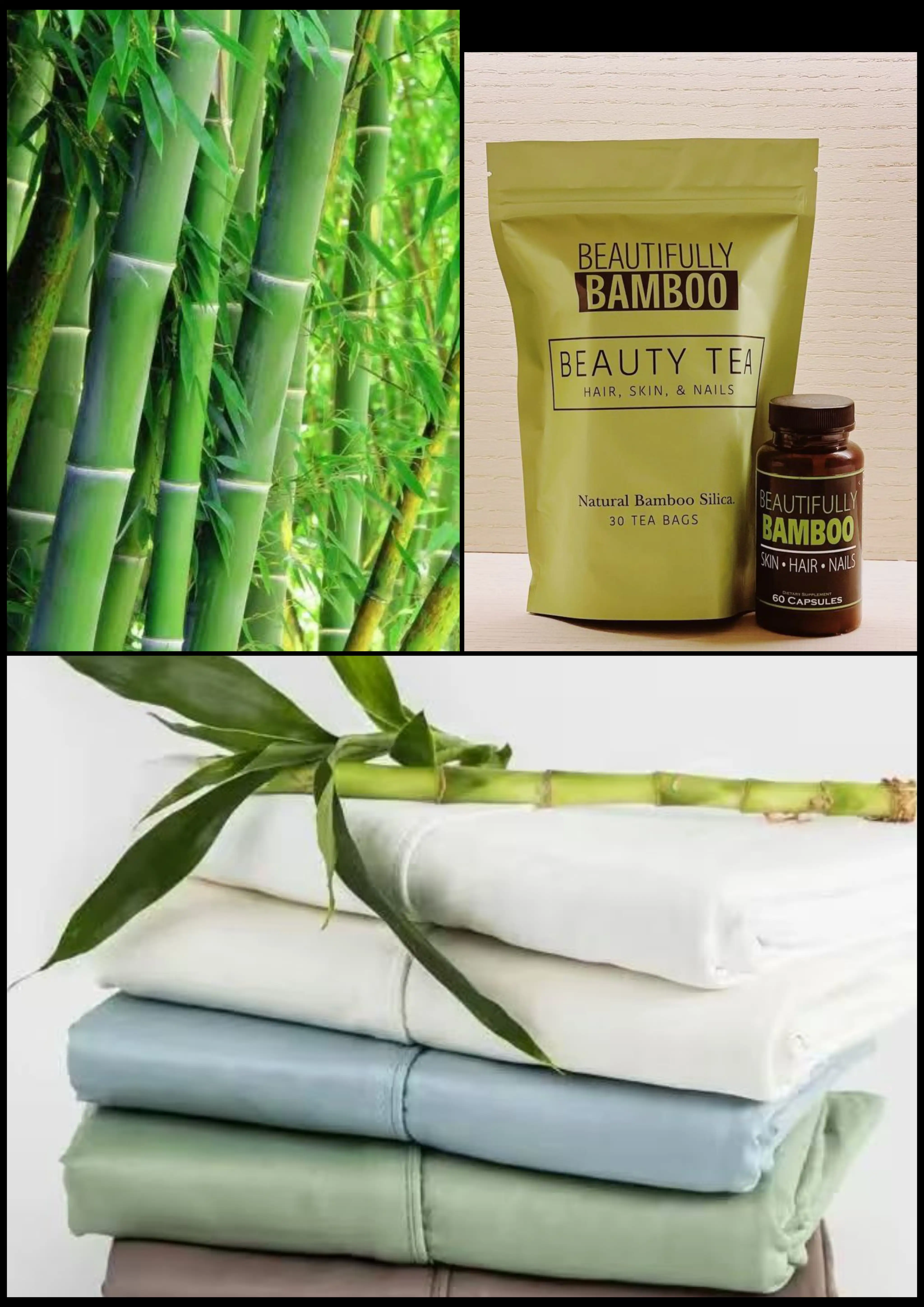
Apparel and Textiles: It’s used to make soft, high-quality items ranging from baby diapers and bed sheets to luxury clothing.
Construction: Due to its strength, bamboo is an excellent sustainable material for modern floor coverings and high-end home construction.
Food, Health, and Energy: Beyond physical goods, bamboo provides ingredients for sweet foods and medicinal drinks, and it can even be converted into biofuel (ethanol).
While the global market is already benefitting from these hundreds of bamboo-based products, Ethiopia's vast supply remains largely untapped. Strategic investment in processing and utilizing this national asset is key to realizing the projected $5 billion annual income and cementing the country’s role in the international bamboo trade.