

A discussion among scholars underscores that the core of Ethiopia's national interest lies in sustaining its journey, safeguarding its full aspirations, and securing its benefits. The discussion emphasizes the need for a unified public resolve, particularly regarding the long-standing ambition for sea access.
Dr. Brook Hailu (Professor), a scholar of political science and international relations, provided a strategic definition to ETV, stating that Ethiopia's national interest means "securing and maintaining itself and its safety for its future journey" by constantly assessing where the nation aims to be tomorrow.
He highlighted that the process of defending this interest is currently challenged by significant external and internal pressures. Dr. Brook also pointed out that national interest is not static; it evolves with time, confirming that the current generation has its own set of demands and priorities.
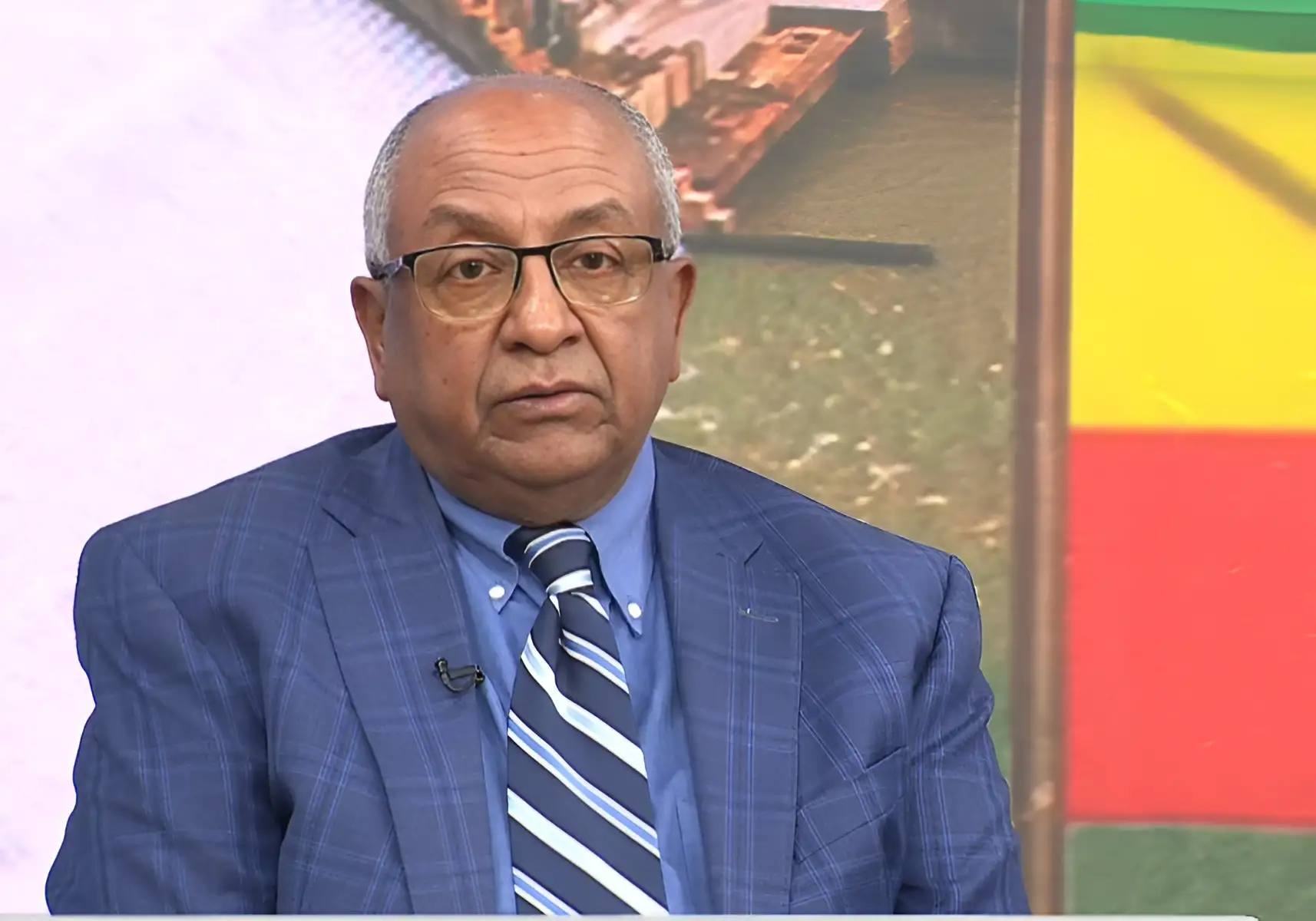 Crucially, he asserted that any national interest agenda raised by the government must be firmly linked to the aspirations of the public. He called upon citizens to coordinate with the government and "stand guard for the national benefit."
Addressing the historical context, Dr. Brook reminded listeners that "Ethiopia and the sea have not been separated for centuries," and the nation lost its access due to historical shifts.
He framed the current push for sea access not as a new demand, but as the restoration of what the nation once possessed. He strictly emphasized that Ethiopia’s pursuit of this goal is exclusively through peaceful means.
Dr. Getiye Tirfe, a management consultant and researcher, offered a structural perspective, noting that generational transitions have sometimes left the country with generations that failed to fully execute their roles.
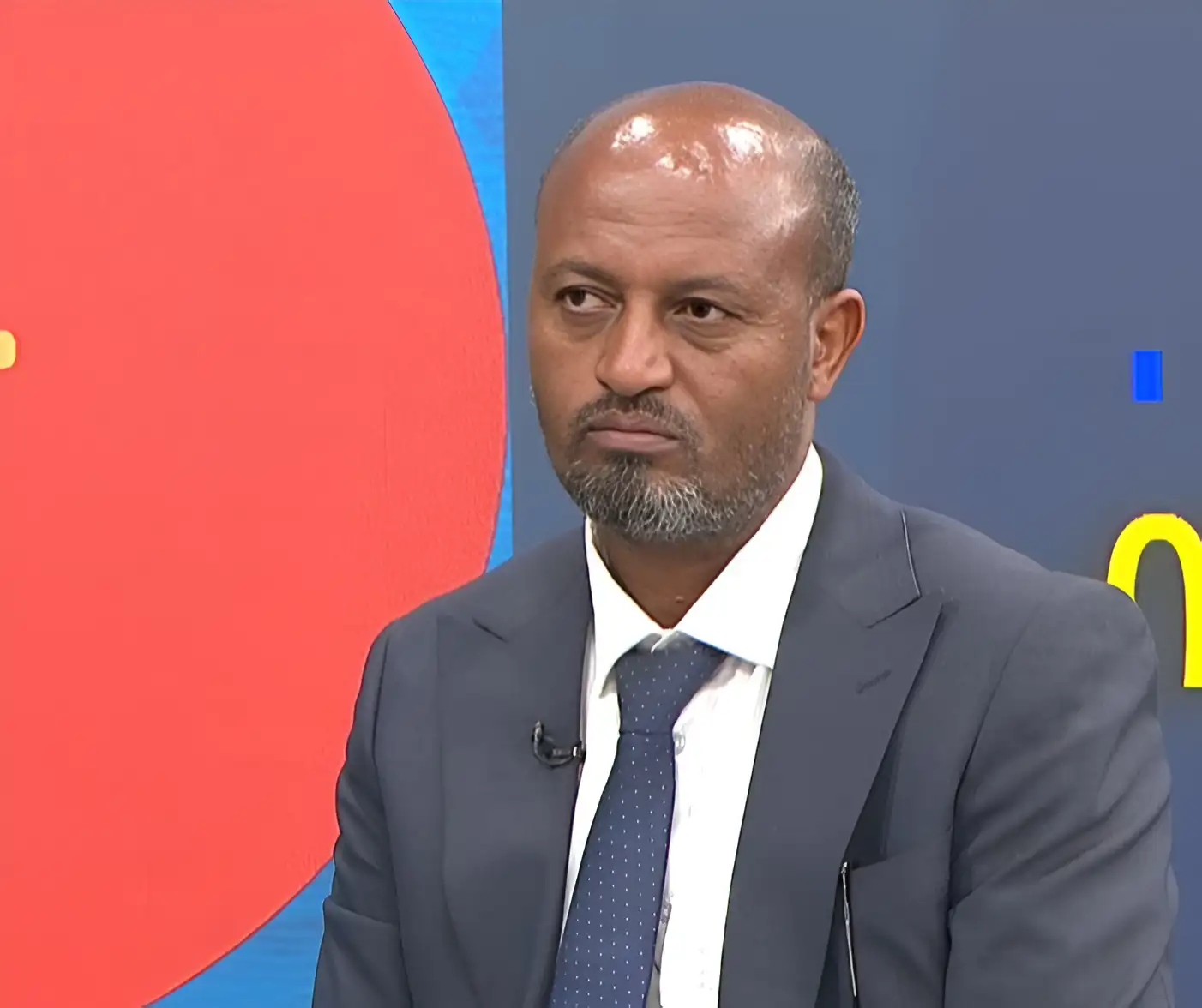 He critiqued past governments, saying they lacked truly "transitional ideas" or were not genuinely transitional themselves. Dr. Getiye identified a significant gap caused by the lack of a unified public stance on the national interest, which, coupled with external factors, has subjected the country’s political process to pressure, preventing it from being "healthy."
Both scholars ultimately agreed on the need for decisive action, urging the public to now stand guard over the issue of national interest with determination and resolve.