
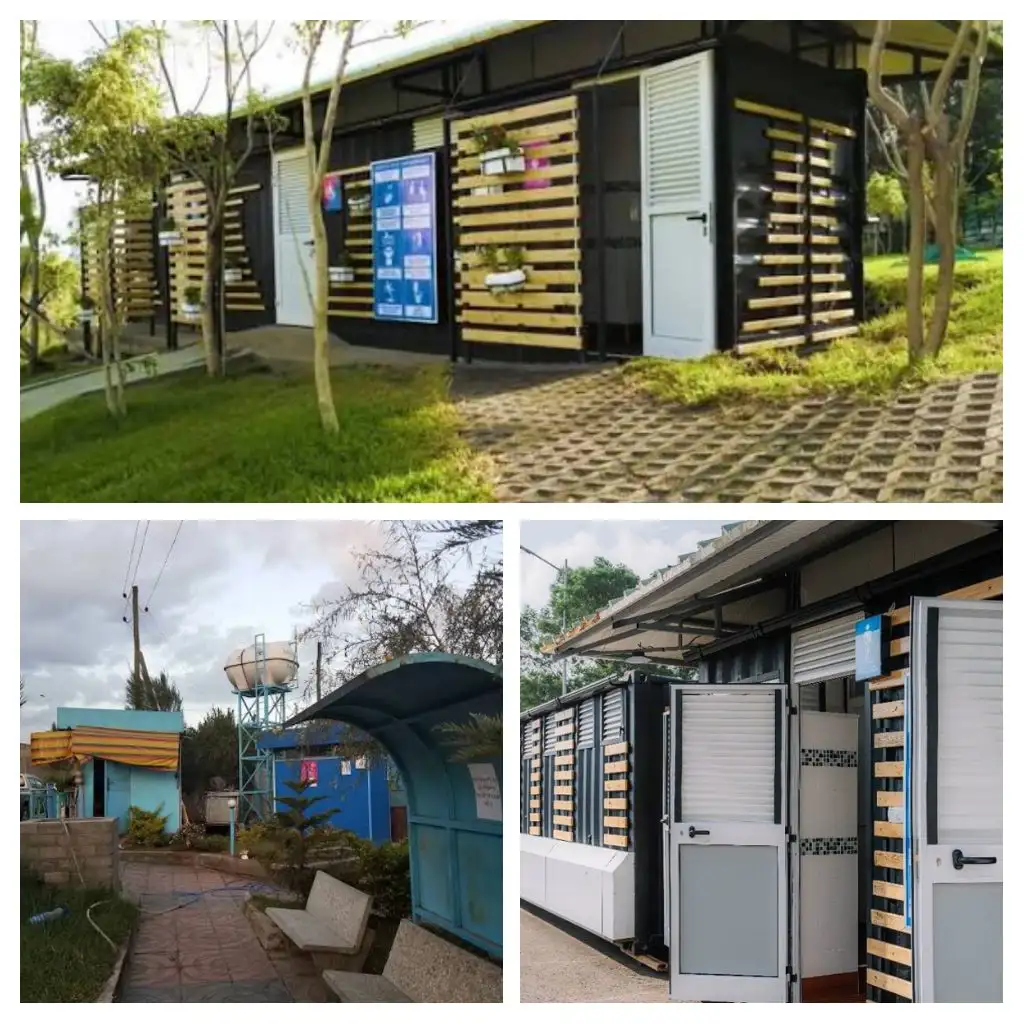
Ethiopia is intensifying its efforts to prevent disease by expanding community restroom infrastructure across the country, aligning its initiatives with World Health Organization (WHO) guidelines.
According to the WHO, preventive health measures regarding community and environmental hygiene in Africa are currently garnering global attention. Ethiopia, recognized for its rapid economic growth, has adopted specific policies to accelerate changes in this sector across both urban and rural landscapes. The WHO has identified access to clean drinking water and strict environmental hygiene as critical standards for pre-empting disease outbreaks.
While Ethiopia's work in public sanitation and environmental protection is being cited as a model for best practices, challenges remain. Reports indicate that 27 percent of the population still lacks access to adequate public restrooms, increasing vulnerability to preventable diseases.
To address this gap at the grassroots level, the government is integrating the construction of modern public toilets into its broader urban and rural "corridor development"projects.
In the capital, Addis Ababa, a rapid resource mobilization campaign has already led to the construction of modern facilities along roadsides, at mass transit hubs, and in high-traffic areas. This initiative is now being expanded to regional cities and rural villages. The project involves a budget in the hundreds of millions, coordinated by government bodies and non-governmental organizations (NGOs).
In rural areas, the creation of "model villages"features standard-compliant restrooms intended to serve as practical demonstrations, encouraging communities to adopt better environmental practices.
The report highlights comparative progress across the continent:
Tunisia leads Africa with 90 percent hygiene coverage, achieved through robust rural and urban waste disposal systems.
Seychelles is cited as a global best practice, having built restrooms for 98 percent of its citizens and developed infrastructure to protect its islands and water bodies from pollution.
Ghana, Senegal, and Rwanda have also launched national monitoring programs to oversee sanitation construction.
Despite these regional strides, WHO data reveals a global crisis, with 3.5 billion peopleworldwide still lacking access to dignified restroom facilities.