
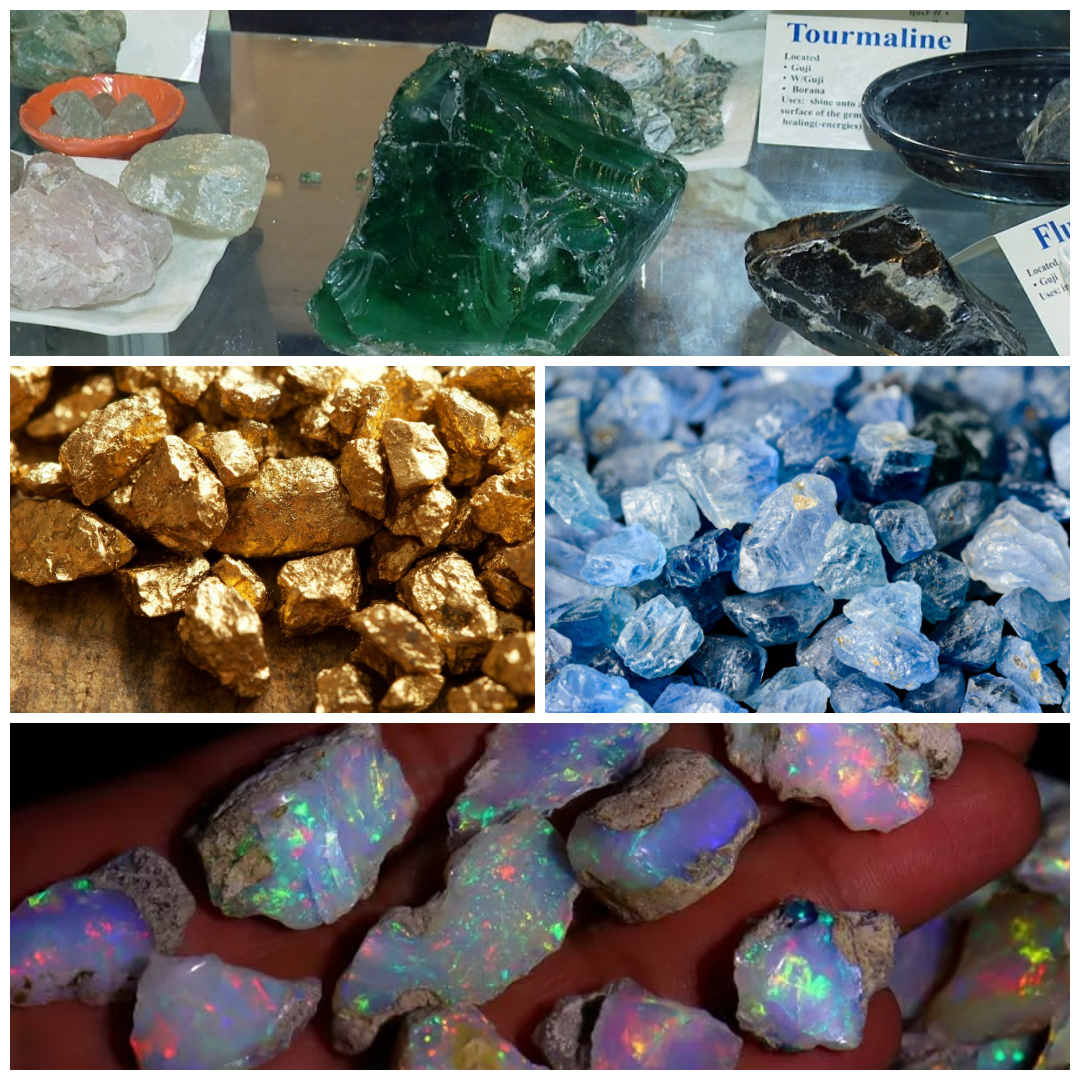
Ethiopia, a nation rich in natural resources, is finally shifting its strategy after years of failing to fully capitalize on its endowments, particularly in the mining sector.
For decades, the country primarily focused on an agriculture-led industrial policy. However, as experts point out, this strategy ultimately fell short of ensuring national food security.
Following recent political and economic reforms, the government has placed a significant and renewed focus on the mining sector. This shift, according to development economists, is yielding remarkable results.
Dr. Gemechis Mersha, a development economics lecturer and researcher, confirmed that the dedicated attention is bringing about tangible change. He noted a significant increase in the sector’s annual revenue, underscoring the immediate economic impact of the policy pivot.
The nation has now adopted a multi-sectoral approach, identifying five critical pillars for growth: agriculture, industry, mining, tourism, and technology. These are now treated as the foundational "pillars of the nation," leading to a major economic transformation.
Regional officials echo the national sentiment, acknowledging that the lack of engagement with the mining sector in previous years was a factor in the country's slow development.
Tujane Adem, Head of the Benishangul-Gumuz Regional State Mining Resource Development Bureau, highlighted the institutional changes underway. Reforms have been implemented, and structures established at the regional bureau level to streamline operations.
Crucially, the new focus is also revitalizing local involvement. Special attention is being given to traditional miners, working to integrate their operations and skills into the formal system.
Tujane concluded that extensive work is currently underway in his region on gold and other minerals, signaling a strong commitment to strengthening the sector's contribution to the national economy.