The Amhara Fano People's Movement (AFPM) has defended its recent peace agreement with the Amhara Regional State, stating that the decision was necessary because the movement's struggle was being exploited by Egypt and Shabia (Eritrea), who are acting as "historical enemies" to prevent Ethiopia from continuing as a country.
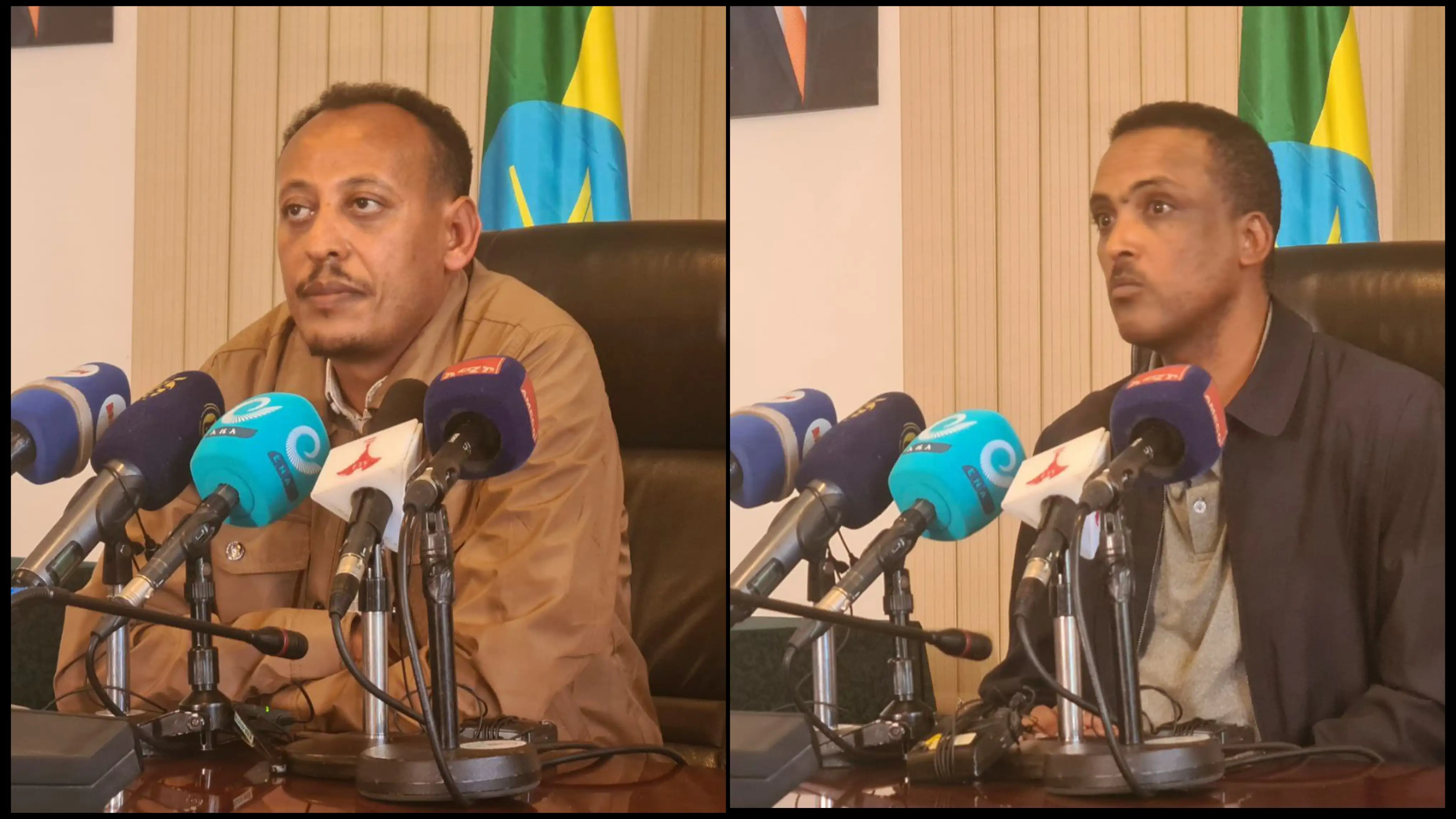
The organization's Head of Foreign Affairs, Captain Masresha Setie, emphasized that the national interest is an objective that the country must "collectively fight and die for." He delivered a strong message, urging the public to "cooperate by not being a part of the harmful actions of destructive forces."
Captain Masresha stated explicitly that external actors, specifically Egypt and Shabia (Eritrea), are engaged in activities intended to incite conflict among the Amhara people along ethnic and religious lines. He described this activity as harmful, underscoring the need for unity.
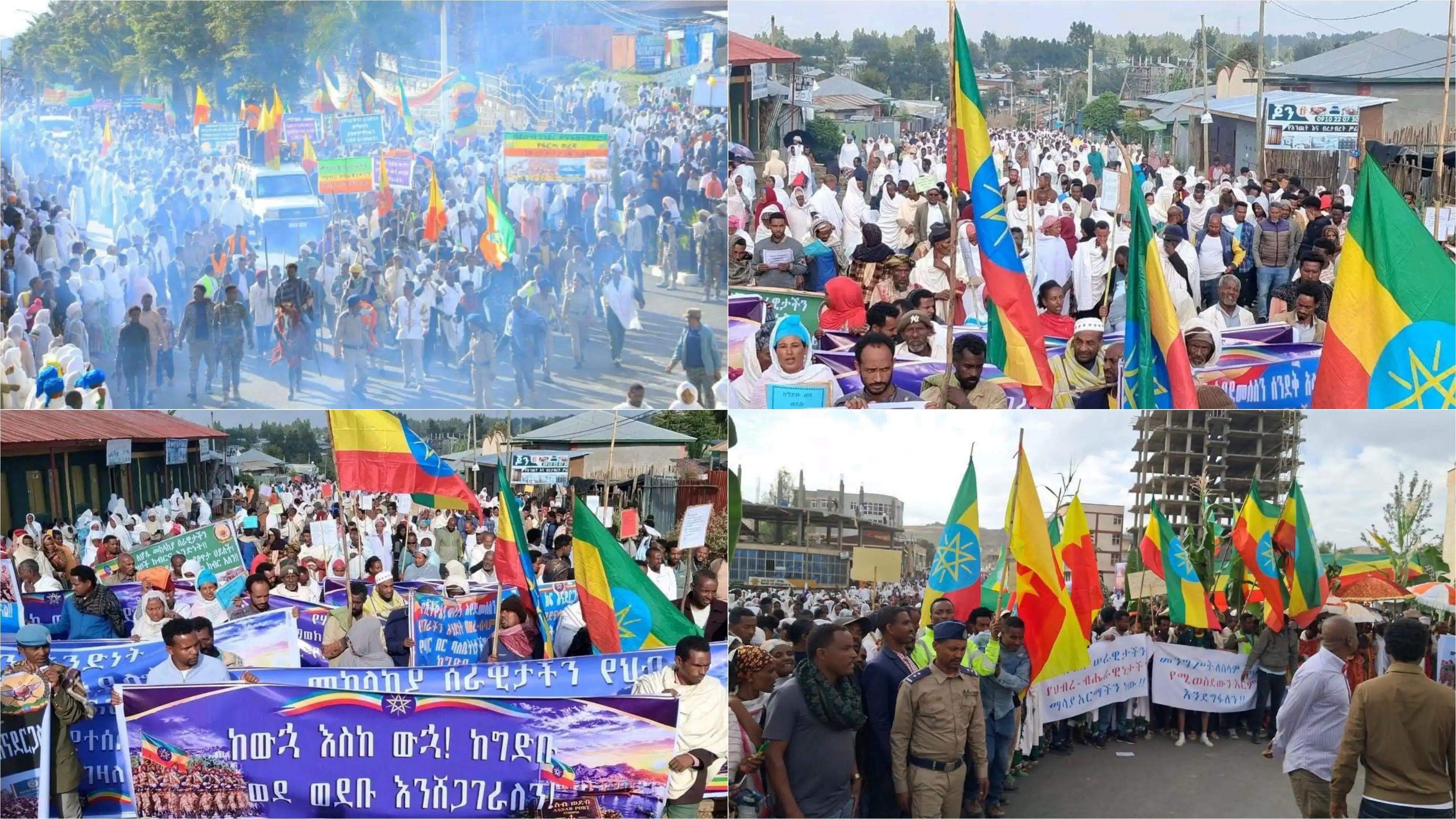
He asserted that Ethiopia's demand to secure its national interest is facing obstruction, pointing out that historical enemies are working diligently to derail it. In this context, Captain Masresha declared that the question of port ownership is an agenda on which the movement "stands by the government." He dismissed differing opinions on the Assab issue as mistaken, stressing that the public's demands should be pursued peacefully and collaboratively.
Speaking on the details of the agreement, Captain Masresha stated that the AFPM signed the peace deal due to the intense pressure from the Amhara region's populace who sought an end to the violence.
The movement acknowledged that the prolonged conflict had no benefit beyond "exacerbating the suffering and hardship of the people." It further revealed that a key factor in signing the agreement was the fear that the AFPM's struggle was "falling into the hands of historical enemies who do not wish for Ethiopia to continue as a country."
Captain Masresha, who signed the agreement on behalf of AFPM, described the peace deal as a source of "great relief" for the people of the Amhara region and Ethiopia as a whole. He confirmed the movement is now working with the government to address the demands that initially led them to take up arms.
Another founder of the AFPM, Mesfin Abate, confirmed that the organization's two-year struggle in the bush was dedicated to addressing the people's demands. He added that the movement chose peace to ensure it would "not fulfill the objectives of Ethiopia's historical enemies." He also highlighted the successful effort of the African Union in facilitating the signing of the agreement.
Captain Masresha called on those factions still engaged in armed struggle to join the peace agreement, affirming that AFPM will "stand by the government" to uphold Ethiopia's national interest, particularly concerning the issues of the Abay River and the sea outlet (port), which he noted were opposed by Egypt and its proxy, Shabia.
Mesfin Abate warned the public against external parties who work with Ethiopia's historical enemies from abroad to prevent lasting peace. He cautioned people against listening to "false information being spread... on social media" by these groups, stating that the current peace agreement offers a viable path to securing the people's demands.
Captain Masresha concluded by calling for a united effort from the entire population—including the media, youth, elders, and scholars—to resolve the remaining challenges in the Amhara region swiftly.