
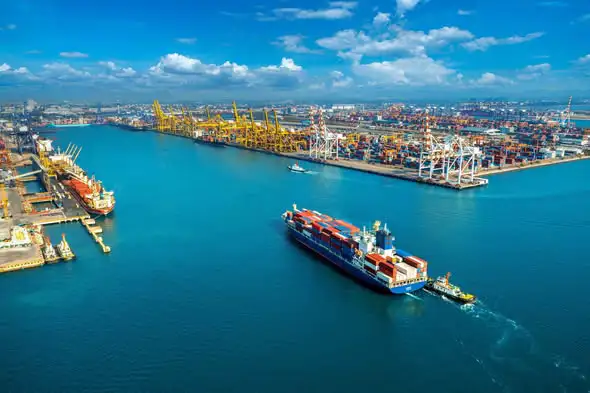
Ethiopia's rapid economic growth and a population exceeding 130 million have transformed the quest for sea access from a mere political ambition into a matter of national survival. As Prime Minister Abiy Ahmed (PhD) has repeatedly emphasized, the nation must secure reliable maritime access commensurate with the massive economy it is building. This year alone, the economy is expected to see growth rates of 7.9% in agriculture, 13.2% in industry, and 9.3% in the service sector. The notable surge in the industrial sector, in particular, indicates that the Ethiopian economy is undergoing a fundamental structural transformation.
Agricultural output further reflects this massive scale, with the 836.9 million quintals harvested last year projected to reach 892.2 million quintals this year. To deliver such immense production to global markets and to import the necessary inputs for a growing industrial base, the Ethiopian economy requires more than its current single-port option. Research data highlights the severe economic constraints of lacking direct sea access, revealing that Ethiopia loses up to $31 billion in Gross Domestic Product annually, a staggering waste of up to 23% of the nation's total GDP.
Expanding maritime options is therefore critical for distributing development equitably across all regions of the country and mitigating the risk of a "transit corridor" where growth is restricted to a single narrow route. Ultimately, Ethiopia’s quest for sea access is a question of prosperity that is defined by clear data and intended to bring meaningful change to the daily lives of its citizens.