United Nations Secretary-General António Guterres arrived in Addis Ababa yesterday evening, signaling a high-water mark for Ethiopia’s historic 80-year partnership with the global body. Received at Bole International Airport by Deputy Prime Minister Temesgen Tiruneh, the Secretary-General’s visit serves as more than a diplomatic courtesy; it is a powerful reaffirmation of Ethiopia’s role as a founding pillar of the UN and a primary architect of African stability.
Welcoming the UN chief to the "Land of Origins," Deputy Prime Minister Temesgen described the visit as a pivotal moment for a nation navigating a profound journey of renewal. The arrival of the secretary-general coincides with the 80th anniversary of the UN Charter, a document Ethiopia was among the first 51 nations to sign in 1945, highlighting a legacy that transitioned from a beacon of hope for colonized nations into a robust engine for continental development.
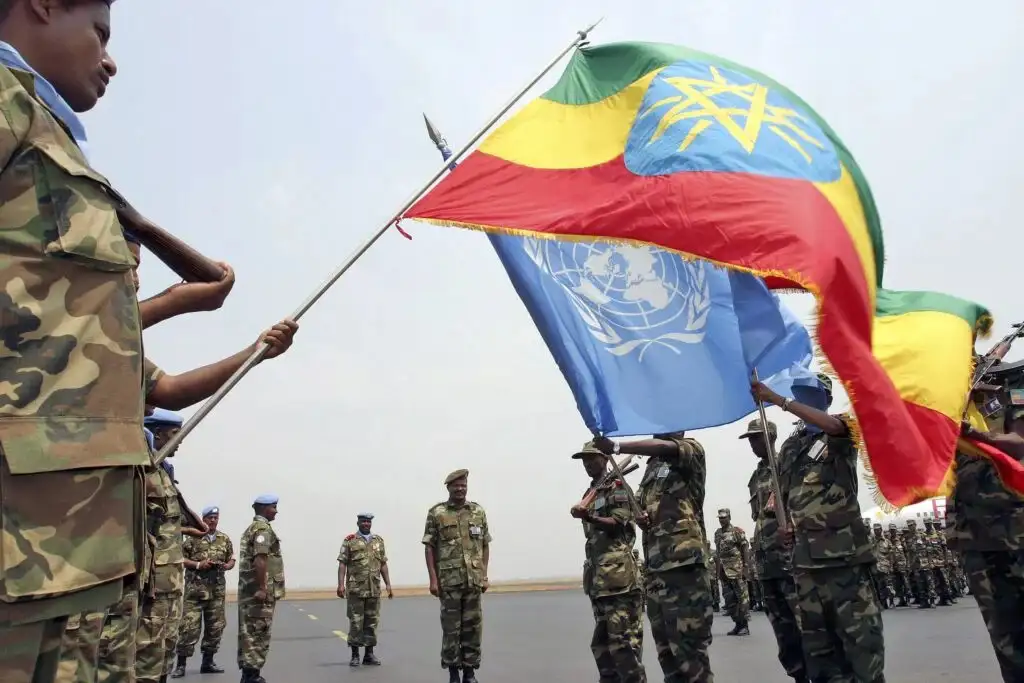
Ethiopia’s influence within the UN framework is most visible through its relentless commitment to peacekeeping and its status as a premier diplomatic hub. Since the 1950s Korean War, Ethiopian peacekeepers have been a fixture in the world’s most volatile regions, including Rwanda, Liberia, and currently South Sudan and Abyei. This "boots-on-the-ground" commitment has solidified Ethiopia's reputation as a nation that does not just advocate for peace but actively defends it.
The partnership also continues to define Addis Ababa’s identity as the "Diplomatic Capital of Africa." As home to the UN Economic Commission for Africa (ECA) since 1958, the city stands alongside New York and Geneva as a global decision-making center. During this visit, Ethiopia is expected to further press for the "African Voice" in the UN Security Council, ensuring that the continent’s 80-year journey with the organization evolves into a future where it holds a seat at the head of the table.
This high-level engagement between the UN and Ethiopia underscores a shared belief that the challenges of the next 80 years, from climate resilience to regional security, can only be met through the same spirit of multilateralism that first united them eight decades ago.