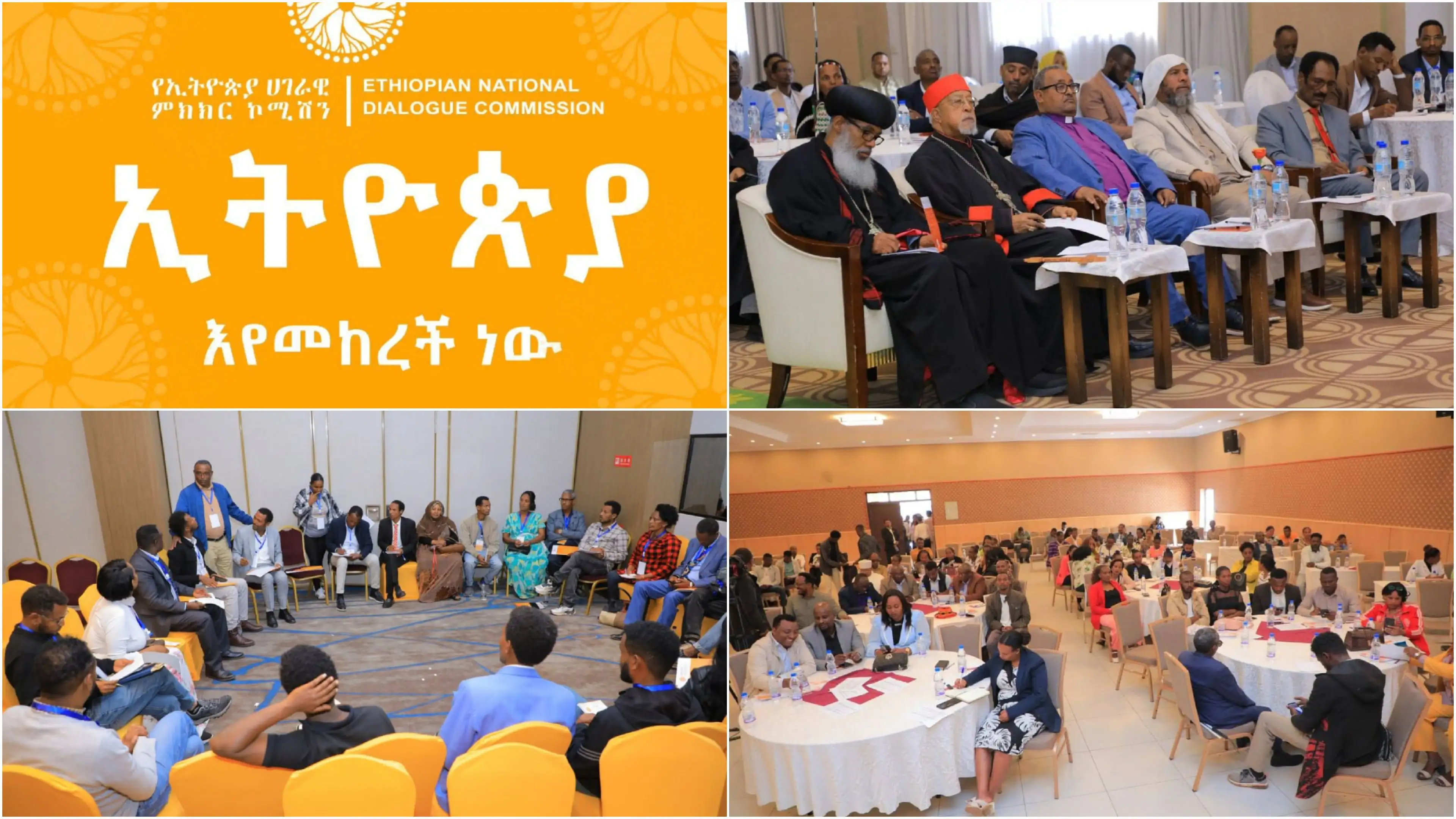
Ethiopia is banking on a nationwide dialogue process to serve as the cornerstone for future peace and state-building. State-building experts are underscoring that the nation's true resilience hinges not on armed force, but on fostering a durable consensus among its citizens. Embracing the principle that "a country stands only through dialogue," officials are attempting to steer the nation’s political class away from a history of conspiracy-driven maneuvering and toward a culture of open, public-interest debate.
The ongoing initiative seeks to establish a rare space where political rivals, civil society, and diverse community leaders can address historical grievances and deep-seated tensions face-to-face. By institutionalizing this discourse, proponents hope to transform a fractured political landscape into one defined by intellectual rigor and mutual understanding rather than conflict. The ultimate ambition is to move past the era of cyclical instability, granting every citizen a sense of ownership over the state-building process and creating a foundation for future governance that is built on public trust rather than factional power.
Success, however, remains contingent on the genuine willingness of all stakeholders—from the government to the grassroots—to trade rigid positions for transparency and sincerity. As Ethiopia attempts to reframe its diversity as a source of strength rather than a fault line, the dialogue process is being presented as the only viable route to closing the chapter on past grievances and securing a stable future.