Decades after losing its coastal borders, Ethiopia's lack of a direct sea outlet has escalated from a severe economic bottleneck into a critical threat to national survival and regional security in the Horn of Africa. Scholars warn that the historic loss of the sea gate, orchestrated over thirty years ago through the maneuvering of external adversaries and domestic collaborators, is now actively strangling the nation's massive growth potential.
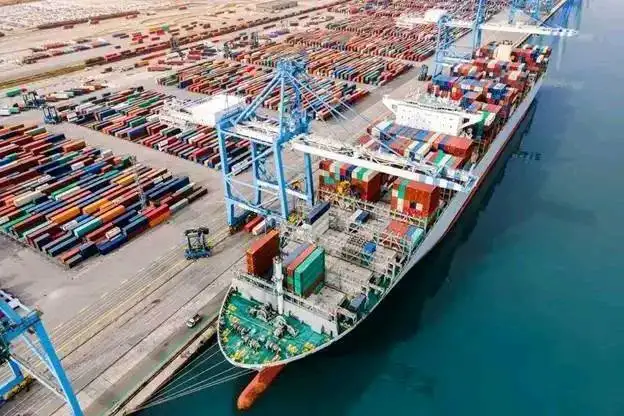
The daily financial toll of this geographic isolation is staggering. Professor Mihret Denanto, a water resources researcher and lecturer at Hawassa University, estimates that the country's landlocked status essentially forces every citizen to shoulder an annual burden of up to 35,000 Birr in port rental fees. With 90 percent of national trade bottlenecked through a single transport corridor, moving just one shipping container from Djibouti to Modjo now costs one million Birr. This astronomical price tag positions Ethiopia as one of the most expensive countries on earth for container logistics.
This heavy economic friction also actively sabotages the country on the global financial stage. When Ethiopia seeks foreign loans to fund major development projects, international lenders routinely flag the lack of a seaport as a critical vulnerability. Consequently, the nation is forced to swallow significantly higher interest rates than its coastal peers. Professor Mihret notes that these compounding financial penalties drag out what should be a single year of rapid economic growth into a grueling three-year crawl.
Beyond the balance sheets, the crisis is rapidly reshaping the geopolitical reality of the Red Sea. As global superpowers aggressively set up military bases along the vital maritime corridor, a landlocked Ethiopia faces the mounting danger of strategic isolation. For a nation grappling with a massive, rapidly expanding population and ambitious development goals, Professor Mihret warns that the current dynamic goes far beyond economic shortness of breath; it threatens total geopolitical suffocation.
Refusing to remain cornered, the country is ramping up its diplomatic campaigns. By invoking established global provisions that protect the maritime access rights of landlocked nations, Ethiopia’s pursuit of a sea gate is steadily gathering both continental and international backing. Framing the issue as the ultimate guarantee for long-term prosperity and security, Professor Mihret is now calling on all citizens to unite behind this existential quest for the nation's future.