
The mining sector has emerged from its historically modest contributions to become a vital pillar capable of fundamentally transforming Ethiopia's national economy amid the sweeping economic reforms implemented over recent years. As the country works to reduce its traditional reliance on agricultural exports for foreign exchange, create sustainable jobs, and expand its industrial base, the imperative to properly harness mineral resources has never been more pronounced.
To propel the sector into a new chapter of growth, the government has rolled out a series of key structural and policy reforms. These measures include new legislative provisions designed to attract investment, enhance transparency and accountability, safeguard the environment, and guarantee tangible benefits for local communities.
Authorities have introduced targeted tariff and tax adjustments, streamlined capital licensing, and established fast-track approval systems to draw both domestic and international investors. At the same time, artisanal miners have been successfully organized into legal frameworks and equipped with crucial technical and financial support to integrate them into the formal commercial economy.
Blessed with abundant deposits of precious and industrial minerals, Ethiopia is leveraging these natural assets to strengthen the nation. Notably, the National Bank is actively bolstering foreign exchange reserves by purchasing gold from both artisanal and commercial producers at competitive global market prices. Beyond creating thousands of jobs for young people, ongoing exploration and extraction efforts are driving technology and knowledge transfer through strategic partnerships with international companies.
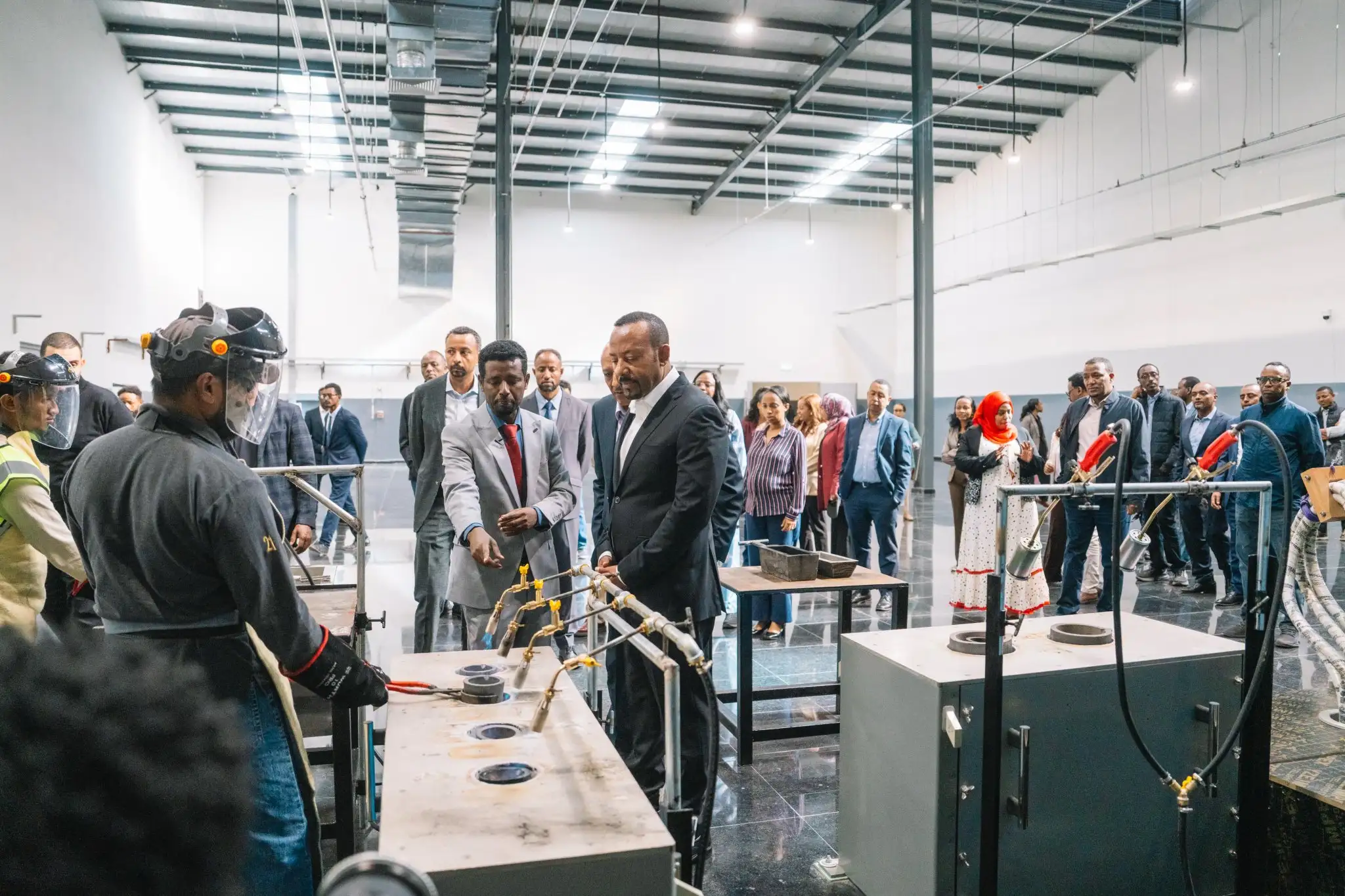
Industry experts emphasize that exporting raw minerals amounts to underselling the nation's wealth, making domestic value addition essential to safeguarding economic sovereignty. Consequently, concerted efforts are underway to process and refine gold, tantalum, and lithium domestically, transforming them into finished goods or products that fuel the manufacturing sector and yield higher foreign exchange revenues.
By anchoring domestic industries in local raw materials, Ethiopia is building vital resilience against global price volatility and international supply chain disruptions. Ultimately, the country's mining sector holds immense potential to transcend its traditional role as a mere provider of raw materials, evolving instead into a cornerstone of economic self-reliance, industrial strength, and intergenerational prosperity. Realizing this vision relies entirely on steadfast adherence to clear policy frameworks, scaled-up domestic processing capabilities, modern technology, and community-centered sustainable practices, priorities that the government is advancing with rigorous focus.