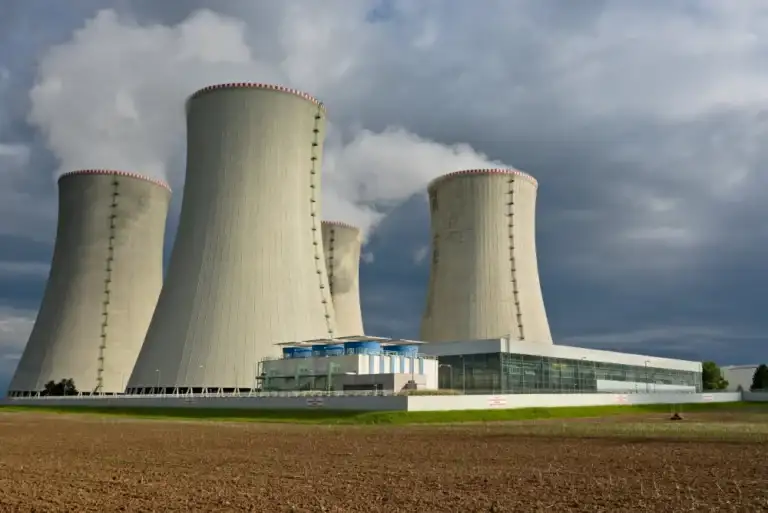
A recent report from the Africa Today YouTube channel suggests that Ethiopia's new nuclear energy project has captured the attention of major global powers and is poised to become a catalyst for development across the African continent. The analysis, presented by Assondwed Louis, frames the project not merely as a national endeavor but as a pivotal move that has "awakened" Africa to the potential of nuclear power.
According to Louis's report, Ethiopia's initiative, which was among the seven major announcements made by Prime Minister Abiy Ahmed (PhD) at the Guba gathering, signals that African nations can pursue nuclear technology development without seeking permission from Western countries. The report claims that since Ethiopia's announcement, ten other African nations have entered into discussions regarding their own nuclear development programs.
The report provides a historical context for this development, highlighting the long-standing imbalance where African countries' natural resources, such as uranium, have been extracted for use in Europe, while their own populations have been left without access to modern electricity for years. Louis specifically cited France's use of uranium from Niger for its national development and power generation over five decades, contrasting this with the ongoing lack of electricity for millions of Nigeriens. He argued that while Africa has been able to extract resources, it has been systematically prevented from utilizing them for its own benefit—a system that Ethiopia's new plan is now set to challenge.
Louis commended Ethiopia, noting its unique historical position of never being colonized, as a trailblazer for the Black community. He stated that the country's decision to develop its own resources using its own capabilities sends a clear message that "this should not happen anymore." The project, he added, demonstrates that Africa is capable of shedding its technological subordination and is ready to take control of its own developmental destiny.
The report also anticipates that Ethiopia's move will inspire the creation of new nuclear research centers, universities, and companies across the continent, with young Africans already gaining expertise in the field internationally. It predicts that this initiative could challenge the century-old technological control exerted by the West and usher in an era of promising development for Africa.
While acknowledging the historical difficulties of nuclear projects worldwide—including budget overruns, delays, technical issues, and political pressures—the report noted that Ethiopia has already demonstrated its ability to navigate such challenges during the construction of the Grand Ethiopian Renaissance Dam (GERD) and other large-scale projects.
In conclusion, the report suggests that the success of Ethiopia's peaceful nuclear project will provide a blueprint for Africa's future work in the sector. An extensive analysis within the report goes so far as to suggest that a successful outcome could transform Ethiopia into the "South Korea of Africa," establishing it as an industrial hub powered by unlimited and renewable energy.